
What to Expect for Emergency Plumbing Costs: Your Practical Guide to 24/7 Urgent-Repair Pricing
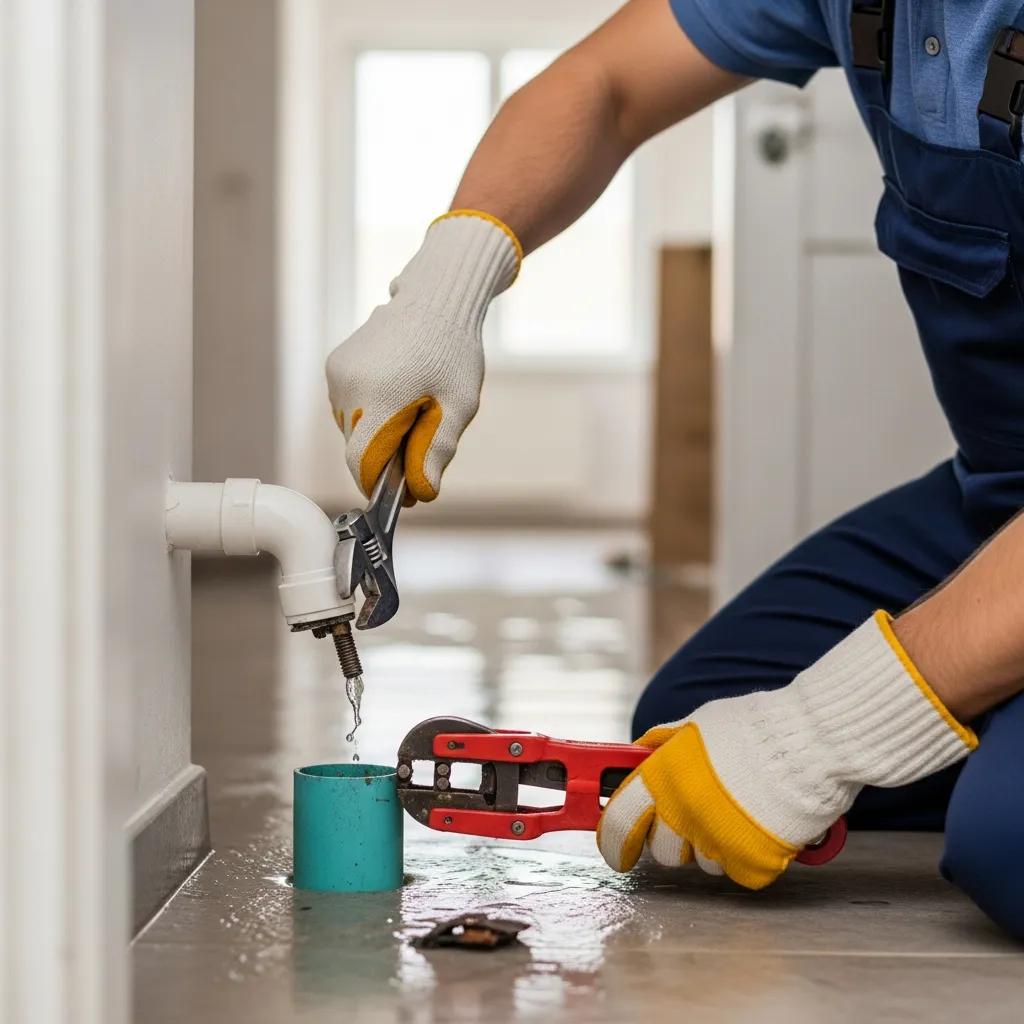
Emergency plumbing covers sudden, dangerous failures — burst pipes, major leaks, sewer backups, and failing water heaters — that need immediate attention to prevent property damage and health risks. Knowing likely costs ahead of time matters: the right information helps you act fast without facing surprise fees. This guide explains how emergency plumber cost and after hours plumbing price are usually built, so you can call with confidence. You’ll learn the main cost drivers, how time of day and location change urgent repair cost, typical price ranges for common emergencies, and simple steps homeowners can take to reduce the chance of a costly call-out. The article walks through core cost factors with a quick reference table, how after-hours/weekend/holiday fees affect pricing, service-specific ranges, regional notes for Macomb, Oakland, and Wayne Counties (Michigan), transparent company practices, and prevention tips to lower long-term expenses. Keywords like emergency plumbing cost, emergency call out fee, and after hours plumbing price appear naturally to help you find the right answers fast during an urgent repair.
What Are the Key Factors Influencing Emergency Plumbing Costs?
Emergency plumbing prices come down to a few core elements: the call-out or diagnostic fee, whether labor is billed hourly or at a flat rate, parts and materials, how hard the repair is to access, and time-of-day or travel surcharges. These pieces interact — a hard-to-reach pipe adds labor hours and often extra parts, which raises the urgent repair cost. Knowing each factor helps you ask the right questions when you call an emergency plumber and avoids surprises on the final invoice.
The table below sums up how each factor typically affects price so you can scan impact and practical tips at a glance.
| Cost Factor | Typical Impact on Price | Practical Note |
|---|---|---|
| Call-out / Diagnostic Fee | $50–$150 applied to initial visit | Often credited to the final bill if repairs are done the same visit |
| Labor (hourly vs flat) | Hourly rates increase total with time; flat rates cap some jobs | Confirm billing model before work begins |
| Parts & Materials | Variable — minor fittings to full pipe replacement | Ask for parts pricing and options |
| Time-of-day (after-hours) | 20–100% surcharge common during nights/holidays | Request the surcharge percentage up front |
| Travel / Location | Adds to cost with long dispatch distances | Confirm the service area and any travel fees |
This quick-reference table makes it easy to see which items move emergency costs most and gives actionable tips — like asking for parts estimates and checking whether the diagnostic fee applies to the job total.
Use this short checklist to prioritize questions when you call:
- Is there a diagnostic or call-out fee, and will it be applied to the final bill?
- Are you billing hourly or at a flat rate, and what’s a realistic time estimate?
- What do parts cost and is there any warranty or guarantee on the work?
These three questions cut uncertainty, set expectations before the tech arrives, and reduce the chance of billing disputes.
How Do Call-Out Fees and Diagnostic Charges Affect Pricing?
Call-out and diagnostic charges cover travel time and the technician’s initial assessment. They’re usually lower during business hours and higher for after-hours or emergency dispatch. The diagnostic helps pinpoint whether the issue is a simple fixture clog or a larger sewer problem — which then determines whether you get a flat repair quote or an hourly estimate. Many companies credit the diagnostic fee toward the final invoice if the repair is completed on the same visit; other times it remains separate, especially if triage requires a return visit. Be sure to ask whether the diagnostic fee will be deducted from the repair cost and request a brief written estimate so you know how that call-out charge will be handled before any work starts.
Also note that a full camera inspection or excavation raises costs considerably compared with a visual check. Knowing the diagnostic scope helps you decide between an immediate repair and staged fixes to control upfront spending.
What Is the Difference Between Hourly Rates and Flat Rates?
Hourly billing charges for each hour the technician works plus parts. Flat rates give a single price for a defined repair. Each has pros and cons. Hourly is transparent when scope is unknown or secondary issues may appear, but it can be unpredictable if work runs long. Flat rates offer cost certainty for common, well-understood jobs but may exclude unforeseen complications. When you call, confirm whether the advertised emergency plumber cost is hourly or flat and ask for an estimated time or capped price to reduce the risk of a large final bill. Ask for examples of typical durations and what counts as an extra line item so you can decide whether to authorize immediate repairs or schedule follow-up work during regular hours.
Which model you’re offered can change by time of day — so check billing rules along with arrival time and surcharges.
How Do After-Hours, Weekend, and Holiday Fees Impact Emergency Plumbing Prices?
Timing often raises emergency plumbing prices. After-hours, weekend, and holiday calls usually incur a surcharge to reflect technician availability and urgency; the amount varies by provider and region. Surcharges may be a percentage (e.g., 25–100% of base labor) or a higher flat call-out fee for nights and holidays. Some companies add modest surcharges, while others keep the call-out fee steady but increase hourly labor rates. Before you authorize work, ask whether the after hours plumbing price is a fixed surcharge or a higher hourly rate, and whether parts or other service items carry extra premiums during off-hours.
To confirm costs quickly with an on-call dispatcher, ask:
- Is there an after-hours surcharge and what amount or percentage will I be charged?
- Does the diagnostic/call-out fee change for nights, weekends, or holidays?
- Is the quoted price hourly or a flat emergency rate, and can I get a written estimate?
Those three questions give immediate clarity and make it easier to compare providers; they also prevent agreeing to work without understanding the financial impact.
Are There Additional Charges for 24 Hour Plumber Services?
Yes. Additional charges are common when service happens outside normal business hours or when a job requires immediate dispatch. These fees compensate for overtime, on-call staffing, and rapid response logistics. Typical triggers include late-night calls, statutory holidays, and very short-notice dispatches. Surcharge amounts vary by company and region, so knowing the trigger conditions and typical ranges ahead of time helps you decide whether to accept an immediate fix or opt for temporary mitigation until daytime service is available. Ask whether an emergency triage (shutting off water, temporary sealing) can be done for a lower, capped fee to limit immediate outlays.
Negotiation and transparent options are possible: a temporary repair now and a scheduled full fix during regular hours often reduces total cost.
How Does Frost and Kretsch Plumbing Handle After-Hours Pricing?
Frost and Kretsch Plumbing offers 24/7 emergency service and aims for clear pricing: they provide upfront estimates and avoid hidden fees whenever possible. The company dispatches licensed, insured technicians for urgent repairs and typically responds quickly — often within about an hour for emergency calls. Because exact surcharge amounts depend on job complexity and parts, Frost and Kretsch asks callers to request a specific estimate for their situation when reporting an emergency. If you need confirmation on whether a particular emergency will incur a surcharge, call and ask the dispatcher for the after-hours policy and an upfront estimate for the expected work.
This explains availability and the company’s focus on transparent pricing while still advising callers to confirm details for their incident.
What Are the Average Emergency Plumbing Costs by Service Type?
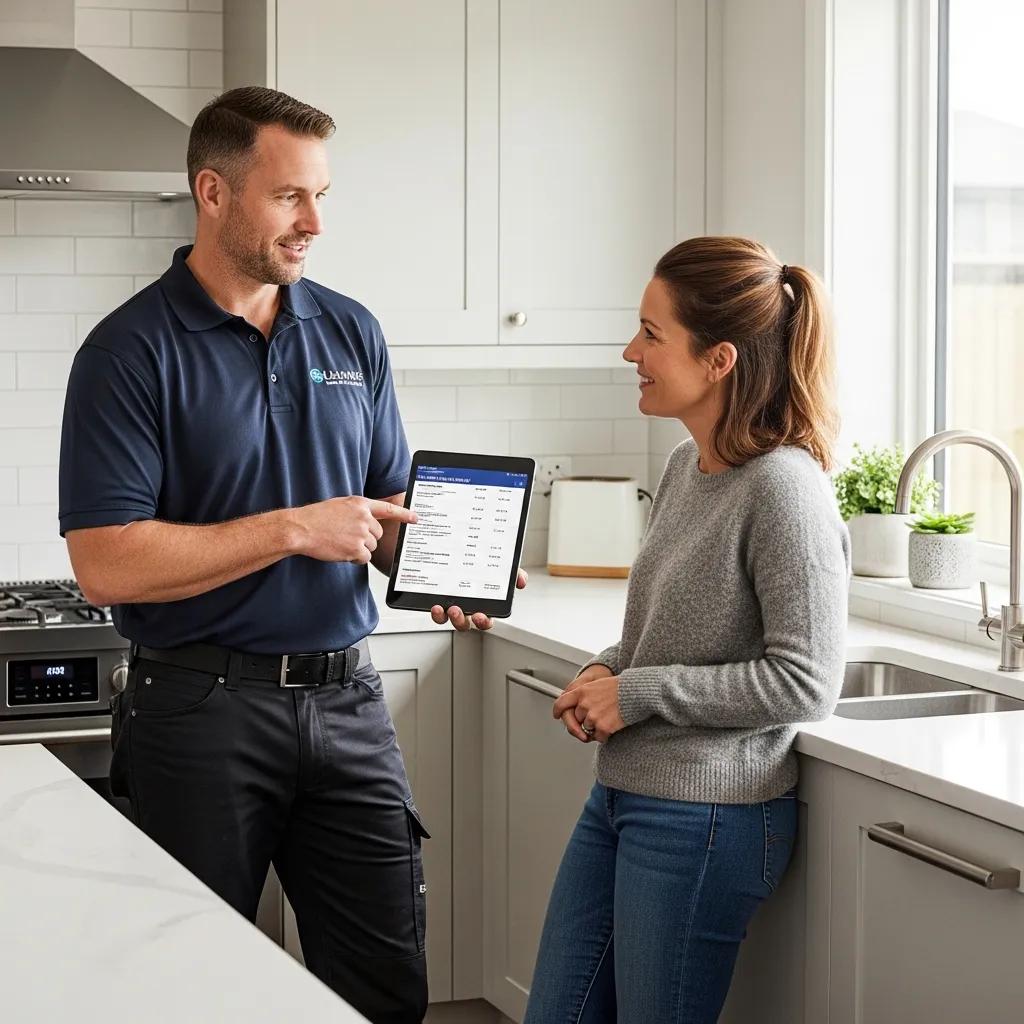
Emergency pricing depends on the service type, access difficulty, and required materials. Common emergencies include burst pipe repair, emergency drain unclogging (including sewer backups), water heater emergency repair or replacement, and sump pump service. Each job has its own drivers — excavation, camera inspections, or replacement parts — that move a repair to the higher or lower end of the range. The table below gives typical emergency cost ranges and the main factors that push a job up or down so you can quickly reference likely costs when deciding whether to authorize work.
Service-oriented cost table for quick reference:
| Service | Typical Emergency Cost Range | Primary Drivers / Notes |
|---|---|---|
| Burst pipe repair | $300–$2,000+ | Access difficulty, extent of damage, need for pipe replacement or excavation |
| Emergency drain unclogging | $150–$800 | Method used (snaking vs hydro-jetting), sewer-line vs fixture clog |
| Water heater emergency repair | $200–$1,200 | Part replacement vs full unit failure, tank vs tankless |
| Sump pump emergency service | $150–$900 | Replacement vs repair, system accessibility, electrical work |
These ranges are benchmarks — local conditions and after-hours surcharges will change the final invoice.
- Expect the low end for quick-access, simple repairs and the high end for excavation, replacement units, or camera diagnostics.
- Confirm whether estimates include parts, labor, diagnostic fees, and any travel or after-hours surcharges.
- Consider temporary mitigation to limit damage and schedule full replacements during business hours to lower total cost.
Use these points to evaluate quotes and choose the most practical, cost-effective path for urgent repairs.
How Much Does Burst Pipe Repair Typically Cost?
Cost depends largely on accessibility. A visible pipe with a short replacement is usually a few hundred dollars; hidden or underground pipes that need excavation, drywall repair, or floor remediation can run into the thousands. Immediate homeowner steps — shut off the main water, isolate the affected area, and remove valuables — limit damage and often shorten repair time and cost. When the plumber arrives, ask for an itemized estimate separating repair labor, parts, and any restoration work so you can decide between an immediate fix and staged remediation.
Knowing these variables helps you anticipate whether the emergency will be a minor expense or part of a larger project.
What Is the Price Range for Emergency Drain Unclogging?
Drain unclogging costs depend on method and severity. A simple snaking of a sink or shower during business hours is relatively inexpensive. A full sewer-line backup needing hydro-jetting, camera inspection, or excavation raises the price substantially. Typical ranges run from a few hundred dollars for snaking to several hundred for hydro-jetting and diagnostics; broken or collapsed lines that require repair or excavation are far more expensive. Warning signs of a serious blockage include multiple fixtures backing up, foul odors, and gurgling drains — treat those as urgent because delays can worsen sewer damage and costs. Before work starts, confirm the planned method and whether camera inspection is included so you know what you’re authorizing.
Clear communication and prompt triage reduce the risk of surprise charges later.
How Does Location Affect Emergency Plumbing Costs in Michigan?
Location affects costs through travel time, local labor markets, and regional demand. Rural or distant calls usually add travel or dispatch fees, while busy urban areas may have higher baseline labor rates. In Michigan, county-level differences across Macomb, Oakland, and Wayne reflect market conditions, traffic, and technician availability. Local guides and transparent dispatch policies help callers estimate travel costs and compare providers. When you request service, ask if a travel fee applies, what the service radius is, and whether local conditions (like limited overnight staffing) could increase arrival time or cost.
Knowing the service area logistics helps you anticipate surcharges and ask targeted questions that improve price transparency during emergency calls.
What Are Typical Emergency Plumbing Rates in Macomb, Oakland, and Wayne Counties?
Benchmarks for Macomb, Oakland, and Wayne Counties vary with urban density and dispatch distance. Specific amounts depend on provider policies and current market conditions, but expect modest regional differences driven mainly by travel time and local labor costs. Factors that raise a rate include long dispatch distances, heavy traffic, and limited after-hours coverage in less central areas. Ask whether the provider runs multiple dispatch hubs and request a county- or zip-based estimate to reduce surprises and compare options effectively.
Getting a local estimate aligns expectations before a technician is sent.
How Does Service Area Influence Pricing Transparency?
Clear service-area limits and a transparent travel policy make pricing more accurate. When dispatchers can quote realistic travel times, call-out fees, and arrival windows, homeowners get a clearer picture of costs. Good transparency includes telling callers estimated arrival time, whether a travel surcharge applies, and how surcharges are calculated. Always ask the dispatcher to state travel fees explicitly and whether the diagnostic fee already includes travel. Clear communication shortens decision time and lowers the chance of unexpected charges on the final invoice.
How Does Frost and Kretsch Plumbing Ensure Transparent and Fair Emergency Pricing?
Frost and Kretsch Plumbing focuses on upfront pricing, licensed and insured technicians, and a 100 percent satisfaction guarantee. They offer 24/7 emergency availability, a quick response (often within about an hour), and upfront project cost estimates with no hidden fees — all intended to reduce customer risk and simplify decisions during emergencies. The company provides residential and commercial services across Macomb, Oakland, and Wayne Counties, including water main repairs, hot water heater replacements, sump pump installs, drain cleaning, sewer services, and excavation, so callers can match needs to capabilities. Licensed staff, clear cost communication, and a satisfaction guarantee aim to make emergency decisions less stressful and more predictable for homeowners.
The table below shows what you should expect in an upfront emergency estimate from a transparent provider and explains each component so you know what’s included.
| Estimate Component | Included? | Description |
|---|---|---|
| Diagnostic / Call-out | Yes (often credited if work performed) | Initial assessment and identification of the problem source |
| Labor | Yes | Stated labor model (flat vs hourly) and rates |
| Parts & Materials | Yes (itemized) | Parts listed with unit prices where applicable |
| Timeframe | Yes | Estimated time to complete the repair or next steps |
| Guarantee | Yes | Service warranty or satisfaction guarantee details |
What Is Included in Your Upfront Emergency Plumbing Estimate?
A clear upfront estimate lists the diagnostic fee, the labor model and rates, itemized parts and materials, the expected time to finish the repair, and any warranty or satisfaction-guarantee terms. It should also note exclusions and possible change orders. This lets homeowners compare quotes fairly and spot if a low price hides later add-ons. A transparent provider will explain how change orders are handled — typically with customer authorization and updated pricing — and whether diagnostic fees apply to the final invoice. If you want immediate clarity, ask for a written or texted estimate and confirmation of guarantee terms before work begins; that reduces disputes and makes the link between the quote and the invoice clear.
If you need emergency service now, Frost and Kretsch Plumbing asks callers to request an upfront estimate and confirm guarantee terms when they dispatch an on-call technician.
How Does the 100% Satisfaction Guarantee Protect Customers?
A 100% satisfaction guarantee lowers customer risk by promising remediation — rework or refund — if the service doesn’t meet expectations, and it lays out how to raise and resolve issues. Typically the customer notifies the provider within a set timeframe, the company evaluates the concern, and corrective action or financial adjustment follows as appropriate. Guarantees work with licensed and insured technicians to ensure workmanship and safety standards. When you’re reviewing emergency quotes, ask how the satisfaction guarantee is documented and what steps to take if follow-up work is needed.
Knowing the guarantee process gives homeowners confidence to authorize urgent work without worrying about unresolved problems after the technician leaves.
How Can Homeowners Prevent Costly Emergency Plumbing Repairs?
Preventing expensive emergencies combines routine maintenance, seasonal checks, and quick attention to small issues before they escalate. Regular maintenance — annual water heater service, seasonal sump pump tests, and routine drain cleaning — lowers the chance of sudden failure and spreads costs across planned maintenance rather than emergency replacement. A proactive plan includes periodic inspections, following manufacturer service intervals, and scheduling professional checks when minor problems appear. This approach cuts emergency call-outs and keeps emergency plumbing cost lower over time. The list below offers practical maintenance steps that directly reduce emergency risk and extend system life.
Key maintenance checklist to reduce emergency risk:
- Test sump pumps seasonally: Check operation before heavy rains and after power outages.
- Schedule annual water heater service: Flush tanks and inspect connections to prevent sudden failure.
- Perform routine drain maintenance: Use safe cleaning methods and schedule professional main-line cleanings.
- Inspect visible pipes and fixtures: Watch for corrosion, leaks, and slow leaks behind appliances.
Regular maintenance keeps systems reliable and often uncovers issues early enough for inexpensive repairs; following this checklist lowers both emergency frequency and overall repair costs.
What Regular Maintenance Tips Reduce Emergency Calls?
Seasonal checks and small preventive steps give the best return on reducing emergency plumbing incidents. Flush water heaters annually to remove sediment that causes overheating and premature failure. Test sump pumps before wet seasons to ensure backups work, and inspect main sewer lines if you notice slow drains or recurring clogs — camera diagnostics can catch problems before they escalate. Replace corroded valves and test shut-off valves so you can control leaks immediately; practicing how to shut off the main water supply is a low-cost step that often limits damage. Combine DIY checks with scheduled professional maintenance to avoid the large, unexpected repairs that characterize emergency work.
Consistent maintenance turns unpredictable emergency costs into planned, manageable expenses.
What Are the Signs You Need to Call an Emergency Plumber?
Call urgently if you see active flooding from a burst pipe, raw sewage backing up, total loss of water pressure across multiple fixtures, gas-like odors near a water heater, or any fast-growing leak that threatens structure. Immediate homeowner actions: shut off the main water, cut power to flooded areas if safe, move valuables away from water, and contact an emergency plumbing service for quick triage. When you call, be ready to ask about estimated arrival time, whether a diagnostic fee applies, and if an estimate can be provided before work begins. Frost and Kretsch Plumbing advertises 24/7 emergency response, upfront project estimates, licensed and insured technicians, and a 100 percent satisfaction guarantee — ask for confirmation of these policies when arranging service.
For immediate emergency plumbing help, Frost and Kretsch Plumbing offers 24/7 dispatch with licensed, insured technicians, transparent upfront estimates, and a 100 percent satisfaction guarantee for residential and commercial customers in Macomb, Oakland, and Wayne Counties; contact them to confirm response time and estimate details for your situation.
Frequently Asked Questions
What should I do immediately after discovering a plumbing emergency?
First, shut off the main water supply to stop further flooding. If water reaches electrical outlets or appliances, turn off power to that area only if it’s safe. Move valuables and furniture away from the affected zone. Then call an emergency plumber to assess and address the problem quickly.
How can I find a reliable emergency plumber?
Ask neighbors, friends, or family for recommendations. Check online reviews on Google or Yelp for reputation and response times. Look for licensed, insured professionals who offer clear pricing and a satisfaction guarantee. Confirm they provide 24/7 service and ask for an upfront estimate before work starts.
Are there preventative measures to avoid plumbing emergencies?
Yes. Regular maintenance — annual water heater checks, sump pump tests, and routine drain cleanings — catches problems early. Watch for leaks, corrosion, or slow drains and address them quickly. Seasonal checks, like testing the sump pump before spring rains, help ensure systems function when you need them most.
What are the common signs that indicate a plumbing emergency?
Signs include sudden leaks, burst pipes, sewer backups, and a sharp drop in water pressure across multiple fixtures. Other warnings are gurgling drains, foul odors, or unexpected pooling of water. If you see these, act fast and call a professional.
How can I estimate the cost of emergency plumbing services?
Estimate cost by considering service type, repair complexity, and time of day. Most emergency plumbers charge a call-out fee ($50–$150) plus labor and parts. After-hours or holiday calls usually add surcharges. For a clearer number, request a detailed quote before work begins.
What should I ask an emergency plumber before hiring them?
Ask if they’re licensed and insured, whether they bill hourly or flat, and if there are extra fees for after-hours service. Request an estimated arrival time and ask whether the diagnostic fee applies to the final bill. Clear communication up front prevents misunderstandings later.
Conclusion
Knowing emergency plumbing costs helps you make fast, informed decisions when time matters. Understand the main drivers — call-out fees, labor models, parts, and timing — and you’ll face fewer surprises. Regular maintenance and quick attention to small issues reduce the chance of expensive emergencies. When you need immediate help, reach out to our team for transparent pricing and experienced service tailored to your needs.