
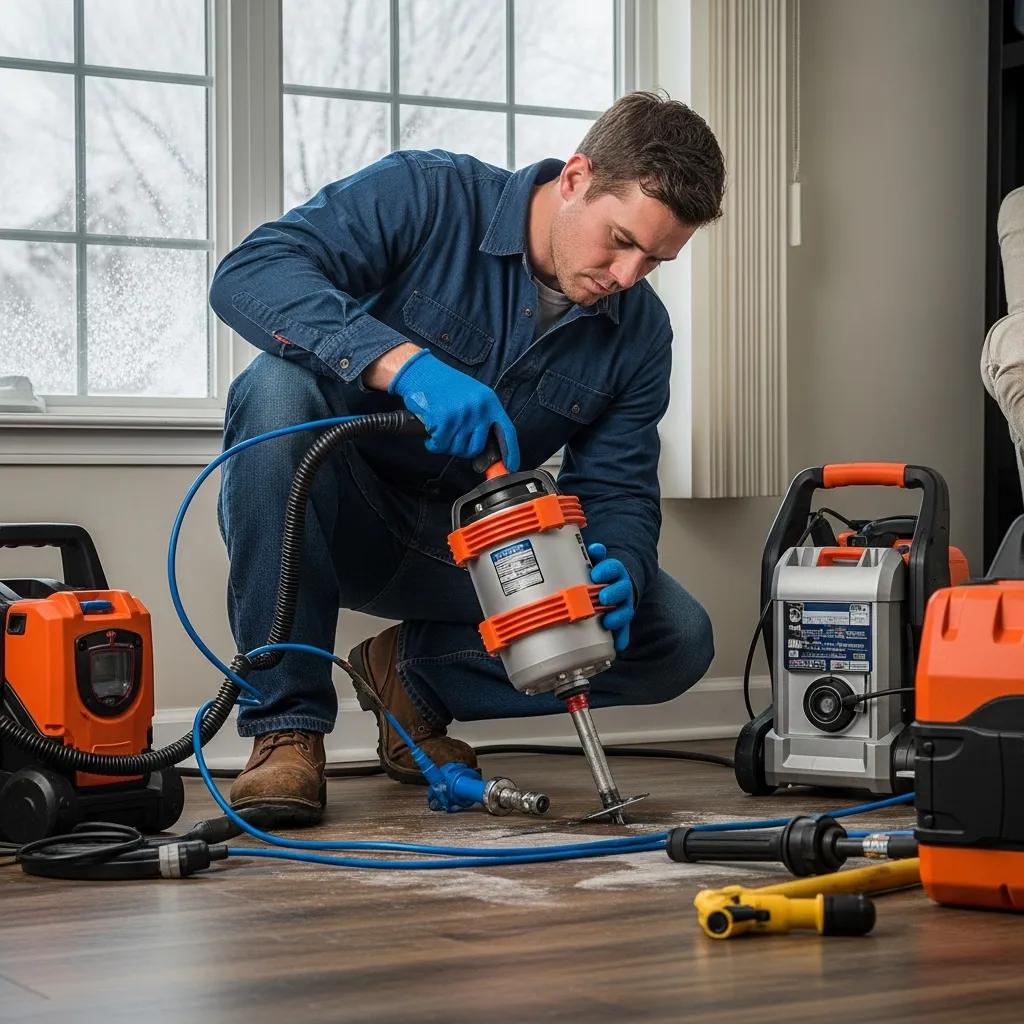
Emergency Frozen Pipe Repair in Westland, MI — 24/7 Fast Response to Stop Bursts and Water Damage
Frozen pipes in Westland need quick, experienced attention to avoid bursts and costly water damage. This guide explains why pipes freeze here, how to spot early warning signs, and the first steps to take if you suspect a freeze or a burst. You’ll also find practical winterization tips for Westland homes and businesses and a clear look at what professional emergency thawing and repairs involve. When every minute counts, knowing how to detect problems and who to call can cut restoration time and expense. Read on for simple checklists, a step-by-step emergency plan, clear comparison tables of likely impacts, and advice on scheduling preventative maintenance.
Why Pipes Freeze in Westland Winters
Pipes freeze when the water inside reaches 32°F and expands, putting stress on seams and fittings until a leak or rupture happens. In Westland, that risk comes from extended cold spells and sudden temperature drops combined with vulnerabilities in a building’s plumbing. The physics is straightforward: frozen water expands, pressure builds, and weak points give way. Knowing these root causes helps you focus insulation and monitoring where it matters most and lowers the chance of an emergency call.
How Westland's Weather Raises Freeze Risk
Westland sees long stretches of below-freezing weather and occasional abrupt cold snaps that push exposed plumbing to or below freezing. Repeated cold nights from late fall through early spring make pipes in unheated spaces much more likely to freeze. Fast temperature swings — warm days followed by very cold nights — create freeze-thaw cycles that weaken pipes over time. Planning winter protection around the coldest months (roughly December through February) is the simplest first step to reduce risk.
Household Factors That Make Freezing More Likely
Certain features of a home raise the chance a pipe will freeze: poor or missing insulation, pipes routed through exterior walls, plumbing in unheated garages or crawlspaces, and drafts that let cold air hit pipe surfaces. Older homes often have gaps around penetrations and recessed fixtures that let in cold air. Slow water movement, valves that isolate sections of plumbing, and uninsulated lines all add up. Spotting these vulnerabilities lets you apply low-cost fixes that deliver big reductions in freeze risk.
Signs and Dangers of Frozen or Burst Pipes
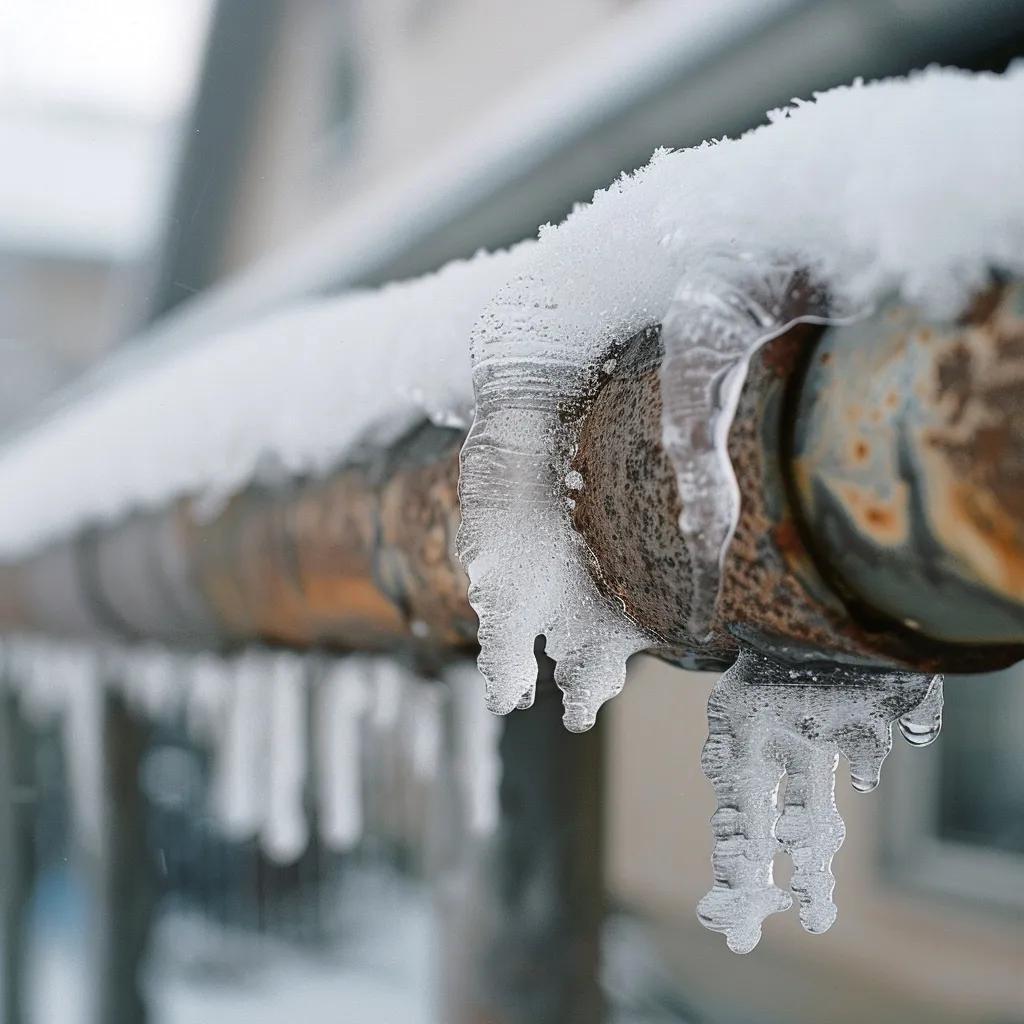
Finding frozen pipes early and knowing the risks they carry can prevent major structural damage and expensive restoration. Common signs are easy to check and often come before a full burst. Look for little or no flow at faucets, very cold cabinet doors, visible frost on exposed lines, or bulging pipe sections. Ignore these clues and you risk a burst that floods floors, ruins finishes, and can lead to mold. Below we list practical detection tips, likely consequences, and a clear comparison so you can act quickly when needed.
How to Spot Frozen Pipes Early in Your Westland Home or Business
Early detection is about routine checks and quick diagnostics that reveal abnormal plumbing behavior before it fails. Test each faucet for sudden flow loss or a big drop in pressure and compare hot and cold outputs — zero flow at multiple fixtures often points to a frozen main. Check visible pipes for frost, bulges, or cracking sounds that mean internal expansion. Listen for gurgling or hammering when you open valves. If you see several of these signs together, shut off the main water if it’s safe and call a professional for an emergency assessment.
- Check faucet flow: Reduced or no water often signals freezing.
- Inspect for frost or bulging: Visible change on pipes means expansion.
- Open cabinets and feel for cold spots: Cold areas often indicate nearby frozen lines.
- Listen for abnormal sounds: Cracks, hissing, or pressure noises can come before failure.
If multiple signs appear, acting quickly limits damage and helps pros prioritize controlled thawing and repairs.
Intro to consequence comparison table: Below is a straightforward comparison to help homeowners weigh prevention costs against repair and recovery time.
| Consequence | Typical Impact | Example / Repair Timeframe |
|---|---|---|
| Small leak from stress fracture | Localized water damage like stains on ceilings or drywall | Patching and drying; typically days to a week |
| Major pipe burst | Flooding and structural damage to floors, drywall, and finishes | Full repair and restoration; often weeks to months |
| Secondary mold growth | Health concerns and extra remediation costs | Professional remediation may be needed; can take weeks |
| Insurance claim process | Possible delays in restoration and out-of-pocket costs | Varies by policy and documentation |
This table shows that catching problems early usually means less disruption and lower repair time than dealing with a major burst.
Once you spot signs of freezing or a suspected burst, the response you choose matters. If you see multiple warning signals or any leakage, calling a rapid-response emergency service reduces the chance of worse damage. At Frost and Kretsch Plumbing we focus on fast dispatch, licensed technicians, transparent pricing, and a satisfaction guarantee so homeowners get reliable help when they need it. Use our listed local contacts or our public business profile to reach us quickly.
What Happens If You Ignore Frozen Pipes?
Leaving frozen pipes unchecked greatly raises the risk of a catastrophic burst, which brings water damage, structural problems, and mold that complicates restoration. A main-line rupture can discharge hundreds of gallons in hours, soaking insulation, subfloors, and wall cavities — damage that drives up both repair time and cost versus smaller, early fixes. Other fallout includes temporary relocation during repairs, difficult insurance claims, and ongoing moisture issues if remediation is delayed. Put simply: winterization and quick thawing almost always cost far less than full restoration after a major break.
How Frost and Kretsch Plumbing Handles Emergency Frozen Pipe Repair in Westland
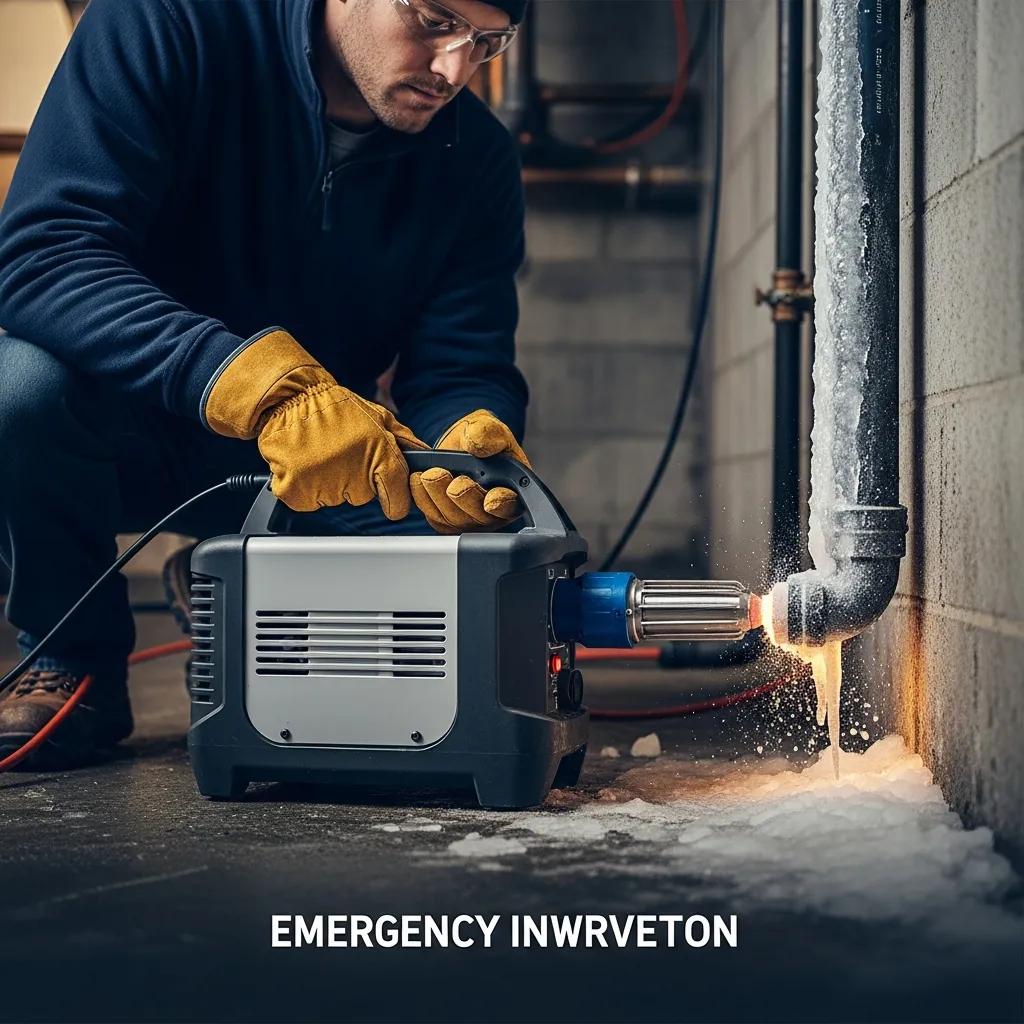
We deliver emergency frozen-pipe thawing and repair with a safety-first, step-by-step process led by licensed technicians, clear pricing, and customer-focused guarantees. Our approach begins with fast triage, moves to controlled thawing to avoid thermal shock, and includes immediate repair or temporary stabilization plus verification testing to confirm system integrity. Our crews use professional thawing equipment and leak-detection tools, isolate affected sections when needed, and follow strict safety checks for electrical and structural concerns. With 24/7 availability, honest estimates, and a satisfaction promise, we help homeowners make quick, confident decisions during an urgent event.
Intro to service steps table: Below is a clear comparison of each major service step, what our techs do, and typical tools and timing so you know what to expect.
| Service Step | What We Do | Time / Outcome / Tools |
|---|---|---|
| Arrival & Triage | Locate the frozen section and shut off the main if needed | 20–40 minutes; pressure gauge, visual inspection |
| Isolation & Safety | Secure the affected area and mitigate electrical risks | 10–30 minutes; valve operation, lockout measures |
| Controlled Thawing | Apply heat safely with electric thaw units or approved heaters | 30–90 minutes; electric thaw units, infrared monitoring |
| Repair or Stabilize | Patch, replace, or brace damaged pipe sections | Variable; couplings, copper/PVC replacement tools |
| Pressure Testing & Cleanup | Confirm system integrity and clear moisture/debris | 20–60 minutes; pressure test, moisture meters |
| Customer Walkthrough | Review work, pricing, and recommended next steps | 5–15 minutes; final estimate and FAQ |
This layout sets realistic timing and shows the tools we use during emergency service to build trust and reduce uncertainty.
Step-by-Step: Emergency Pipe Thawing and Repair
Our emergency thawing and repair follows a clear sequence to limit damage and restore safe operation quickly. First, we triage to find the frozen segment and decide whether to shut off the main to prevent flooding. Then we isolate the area and remove hazards — securing electrical sources and ventilating the space — before beginning controlled thawing with electric units, heat blankets, or other approved methods. After thawing, we repair or replace damaged sections, pressure-test the system, clean up, and walk you through what we did and any follow-up recommendations.
- Triage and shut-off: Locate the freeze and secure the water supply.
- Safety isolation: Address electrical and structural hazards.
- Controlled thawing: Use professional thawing equipment to avoid damage.
- Repair or replace: Fix compromised sections and fittings.
- Testing and cleanup: Pressure-test, dry affected areas, and review work with the customer.
These steps protect your property and give you clear milestones so you know what to expect during an emergency repair.
Why Choose Our 24/7 Licensed Technicians for Urgent Pipe Repair?
Licensed technicians have the training and certifications required to thaw pipes safely and make durable repairs, reducing the chance of rework or secondary damage. We offer 24/7 emergency response, upfront pricing, and a satisfaction guarantee that helps ease stressful situations. Our local crews aim for same-day service or arrival within 24 hours for non-critical calls, with faster dispatch for confirmed emergencies. Hiring experienced, licensed pros ensures work is up to code, uses the right materials, and includes verification testing so your system is safe.
How Westland Residents Can Prevent Frozen Pipes
Stopping frozen pipes starts with practical, prioritized steps that target the most common risk areas in Westland homes and businesses — from basic insulation to small behavior changes. A focused prevention checklist points to exposed pipes, outdoor fixtures, and temperature control in vulnerable spaces. Routine pre-winter checks and targeted maintenance dramatically lower the chance of emergencies. The guidance below mixes DIY tips with when to call a pro so winter protection is both achievable and cost-effective.
Practical Winterization Tips for Westland Homes and Businesses
Simple winterization actions cut freeze risk and are doable for most homeowners and building managers. Insulate exposed pipes with foam or fiberglass sleeves, seal gaps where cold air reaches plumbing lines, and leave cabinet doors open during cold snaps so warm air can reach pipes. For outside faucets, shut off and drain lines when possible, or install frost-free spigots and insulated covers. Smart sensors and leak detectors are good advanced options — they alert you to temperature drops or sudden flow changes so you can act early.
- Insulate exposed pipes: Foam sleeves or wrap reduce heat loss.
- Seal drafts: Weather-strip penetrations near plumbing runs.
- Open cabinets: Let warm home air reach under-sink pipes.
- Drain exterior lines: Shut off and winterize outdoor faucets.
These priority steps cut immediate risk and form the base of a practical winterization plan.
Intro to prevention comparison table: Use the table below to choose measures based on cost and effectiveness.
| Measure | Difficulty / Cost | Effectiveness / When to Use |
|---|---|---|
| Pipe insulation | Low / Low cost | High; first step for exposed pipes |
| Sealing drafts | Low / Low cost | Moderate–High; pairs well with insulation |
| Professional winterization inspection | Moderate / Paid service | Very High; ideal annually before winter |
| Exterior faucet shut-off & drain | Low / Free | High; standard practice for seasonal properties |
This comparison shows that low-cost DIY actions deliver strong protection, while professional inspections provide the most complete coverage.
How Regular Maintenance Lowers Burst Risk
Scheduled maintenance finds weak spots before they turn into emergencies. Aim for an annual or pre-winter check that confirms insulation is intact, reviews pipe routing through unheated areas, and tests shut-off valves. Professionals can spot aging, thermal bridging, or prior freeze stress that homeowners may miss and can recommend targeted fixes like rerouting lines, adding insulation, or installing frost-free fixtures. Keeping records of maintenance also helps with insurance and proves reasonable care to limit future claims.
Where We Offer Emergency Frozen Pipe Services in Westland and Nearby Areas
Frost and Kretsch Plumbing serves Westland and nearby parts of Wayne County with emergency plumbing focused on fast arrival and local familiarity with common freeze points. Westland is our primary area, and we also cover surrounding communities within our response radius — please confirm exact coverage when you call. Expect same-day assistance or arrival within 24 hours for non-urgent calls, with quicker dispatch for confirmed emergencies depending on technician availability. For immediate help, check our public business profile or website for current contact and dispatch details.
Which Westland Neighborhoods and Wayne County Areas Are Covered?
Our coverage centers on Westland and neighboring areas of Wayne County, with teams positioned to reach most local calls quickly. Response time depends on technician locations and current job load, so contacting us directly gives the most accurate ETA for your address. If you need coverage confirmation, have your address and a brief description of the issue ready to speed up dispatch.
How to Contact Us for Immediate Emergency Frozen Pipe Repair
If you suspect freezing or a burst, put safety first — shut off the water if it’s safe and avoid using electricity in flooded spaces — then contact Frost and Kretsch Plumbing for emergency dispatch through our listed business channels. Tell the dispatcher your address, visible signs (no flow, frost, bulging, leaking), whether utilities are off, and any access instructions. Using our public profile or website contact info helps us coordinate a faster, better-prepared response so technicians arrive with the right thawing gear and parts.
What Westland Customers Say About Our Emergency Frozen Pipe Repairs
Instead of quoting single testimonials, common feedback themes we hear are fast response, clear communication, and straightforward pricing during emergencies — all things that lower stress and speed recovery. Customers say it helps when the technician explains the problem, provides an upfront estimate, and follows through with testing and cleanup. Typical outcomes we deliver include prevented water damage, quick stabilization of systems, and practical follow-up steps to avoid repeat incidents. These consistent themes reflect our focus on reliable emergency plumbing in a winter-prone area.
Common Questions About Frozen Pipe Repair in Westland
Frequently asked questions center on safe thawing methods, signs that need immediate professional help, and what to expect when an emergency crew arrives. Many homeowners ask whether to try DIY thawing — professionals advise caution because uncontrolled heat can damage pipes or cause sudden bursts — and when to shut off the main before calling for help. We emphasize transparent, upfront pricing so you understand costs. If a situation involves visible leaks, structural flooding, or electrical contact, call for emergency help right away.
How We've Resolved Emergency Frozen Pipe Issues for Westland Residents
Our anonymized case summaries typically follow the same pattern: customers report reduced flow, our techs arrive, triage the situation, and secure the water supply. We apply controlled thawing to the frozen section, make the necessary repair or temporary stabilization, then pressure-test the line. Quick arrival and careful thawing have prevented major bursts in many cases and confined damage to small areas, avoiding large-scale restoration. Clear options and transparent estimates let owners choose permanent repairs or temporary measures, and our follow-up recommendations reduce repeat incidents.
Frequently Asked Questions
What should I do if I suspect my pipes are frozen?
If you think pipes are frozen, check for reduced flow or visible frost. If you see signs, turn off the main water supply to reduce flood risk. Don’t use open flames or high-heat tools. Instead, call a professional plumber who can safely assess and thaw pipes with the right equipment.
How can I tell if my pipes have already burst?
Signs of a burst pipe include sudden loss of water flow, water pooling where it shouldn’t, or fresh stains and wet spots on walls and ceilings. You might also hear unusual sounds like gurgling or hissing. If you see any of these, shut off the main water immediately and call a professional to assess and repair the damage.
Are there any DIY methods to thaw frozen pipes safely?
Calling a pro is the safest choice, but if you attempt DIY thawing, use gentle heat: wrap the pipe in towels soaked in warm water or use a hair dryer on low, moving it along the pipe. Never use an open flame or very high heat — that can make the pipe burst. Watch the pipe closely and stop if anything looks wrong.
What are the long-term effects of a burst pipe?
A burst pipe can cause serious water damage, structural problems, mold growth, and ruined belongings. The longer water flows, the worse the damage and the higher the repair costs. You may also face insurance complications or higher premiums if damage is extensive. Quick action is essential to limit these risks.
How often should I have my plumbing inspected for winter readiness?
We recommend a plumbing inspection at least once a year, ideally before winter arrives. A pre-winter check can find weak spots like poor insulation or exposed pipes. Plumbers can recommend targeted winterization to reduce the chance of emergencies.
What are the costs associated with emergency frozen pipe repair?
Emergency repair costs vary based on the severity, pipe location, and what materials are needed. Typical charges include a service call, labor, and parts. We prioritize transparent pricing and upfront estimates so you won’t face unexpected bills during an emergency.
Can I prevent frozen pipes with insulation alone?
Insulation is a key step, but it works best as part of a full winterization plan. Seal drafts, open cabinets during cold spells, and drain outdoor faucets. Regular maintenance and inspections will help catch weak spots. Combining these steps gives the best protection against frozen pipes.
Conclusion
Knowing what causes frozen pipes and how to prevent them helps Westland residents avoid costly damage and disruption. Simple winterization measures and early detection make a big difference. When you need immediate help, Frost and Kretsch Plumbing offers dependable 24/7 emergency service to handle frozen pipes quickly and professionally. Contact us today to protect your home this winter.