Expert Gas Line Repair & Installation in St. Clair Shores, MI
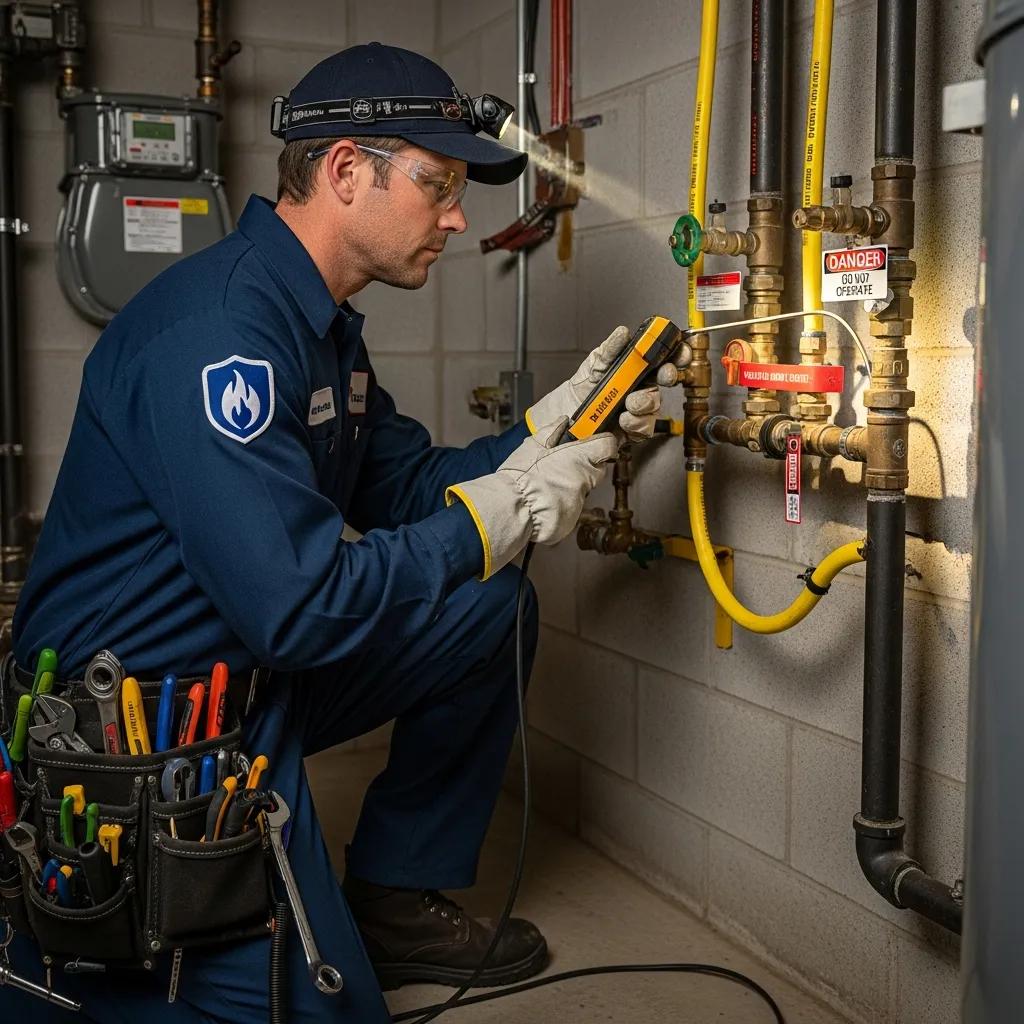
At Frost and Kretsch Plumbing, we handle licensed gas line repairs and installations for homeowners and businesses across St. Clair Shores. Safety is our top priority — we respond quickly, 24/7, when a potential hazard is reported. This guide walks through the gas-line services available locally, how pros find and fix leaks, material options for new runs or replacements, permit and inspection basics under Michigan code, and practical steps you can take to prevent emergencies. Many properties deal with aging piping or hidden leaks that affect appliances and indoor air quality; knowing how leaks are detected, what the law requires, and which maintenance steps matter helps you make safer, smarter choices. You’ll learn common warning signs, what to expect during emergency repairs, cost and permit drivers, and why regular inspections keep systems safe and efficient. We’ll also explain how Frost and Kretsch Plumbing’s core promises — 24/7 emergency response, transparent pricing, licensed and insured technicians, and a 100% satisfaction guarantee — fit into your decision when you need gas work in St. Clair Shores.
What comprehensive gas line services do we offer in St. Clair Shores?
Our full range of gas-line work includes leak detection, emergency isolation, repairs, partial and full line replacements, new installations for construction or appliance upgrades, and appliance hookups that meet code. These services remove hazards, restore correct gas pressure and flow, and ensure appliances run safely. Technicians coordinate with utilities when needed, perform pressure testing, and provide verification after work is complete. Jobs can be small fixes or larger buried-line replacements and meter relocations; we provide emergency triage followed by permanent repairs and final testing. Below we explain the tools and the step-by-step workflow we use to find and fix leaks.
Before we explain repair steps, it’s useful to compare common service types — what they address, how quickly they’re usually done, and whether we offer emergency response. The table below helps match a problem you see to the likely service path.
| Service Type | Typical Trigger / Symptom | Typical Turnaround & Emergency Capability |
|---|---|---|
| Leak detection | Smell of gas, hissing sounds, dead plants above buried lines | Same-day diagnostics often available; emergency isolation when needed |
| Local repair | Failed fitting, loose thread, small corrosion | Often repaired same day; system pressure-tested afterward |
| Line replacement | Severe corrosion, physical damage, chronic leaks | Multi-day project; temporary isolation provided in emergencies |
| Appliance hookup | New furnace, range, or dryer installation | Scheduled service with pressure and leak tests; appliance certification |
Quick, accurate detection and choosing the right repair path are essential for safety. Next, we’ll show how we locate leaks and complete repairs in the field.
How do we detect and repair gas leaks effectively?
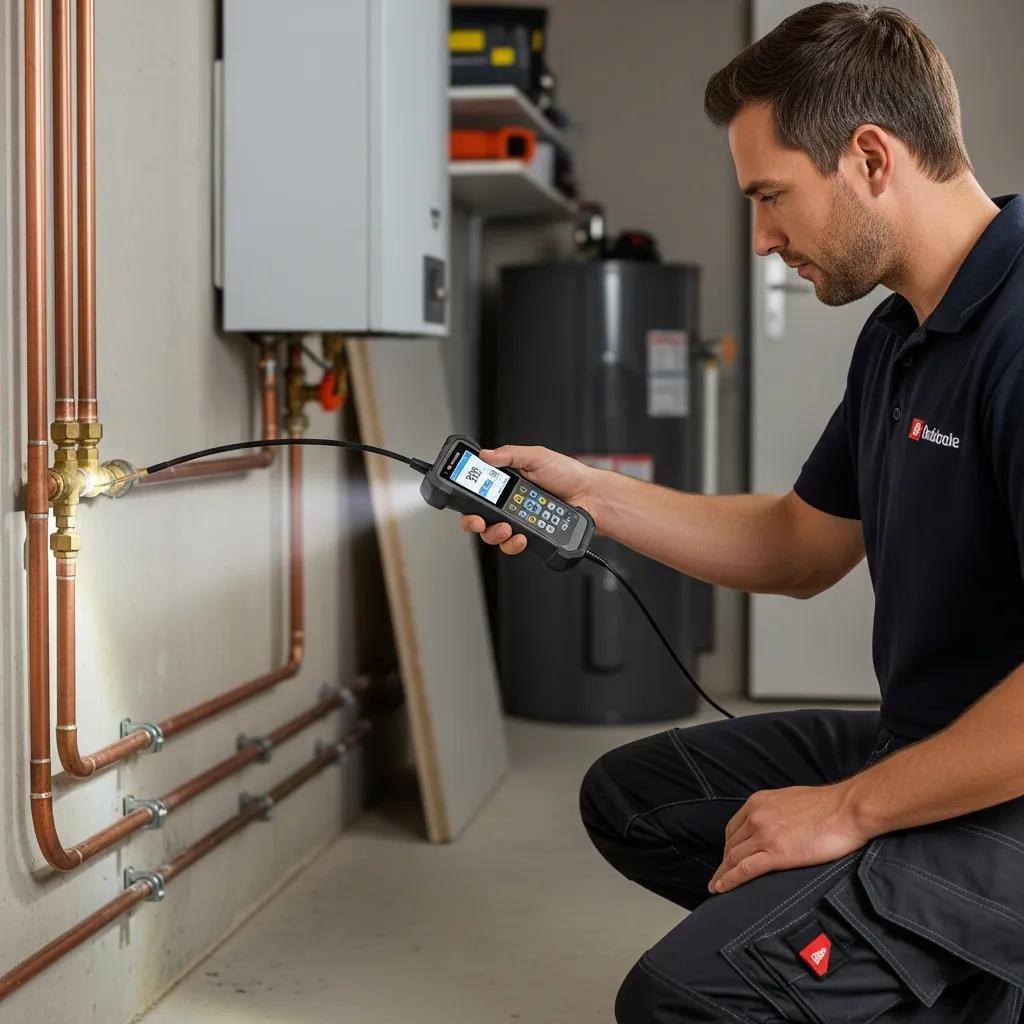
We start leak detection with a structured diagnostic: sensory checks, calibrated electronic gas detectors, pressure testing, and targeted isolation to find the leak and assess its severity. Technicians investigate occupant reports — like the rotten-egg odor or hissing — then use combustible gas indicators and sensors to pinpoint the source while avoiding ignition risks. Sensor readings plus visual inspection shape the repair plan. In emergencies we isolate the affected section using shut-off valves, coordinate with the gas utility for meter or service-line issues, and set up a safe work zone before any repairs. Repairs may include replacing a bad fitting, re-piping a short run, or restoring a threaded joint. After repairs we perform pressure testing and a final verification sweep to confirm the system is secure and odor-free.
If a repair won’t fully resolve the issue, the next decision is whether a replacement or new installation is the safer, longer-lasting option.
What are the options for new gas line installation and replacement?
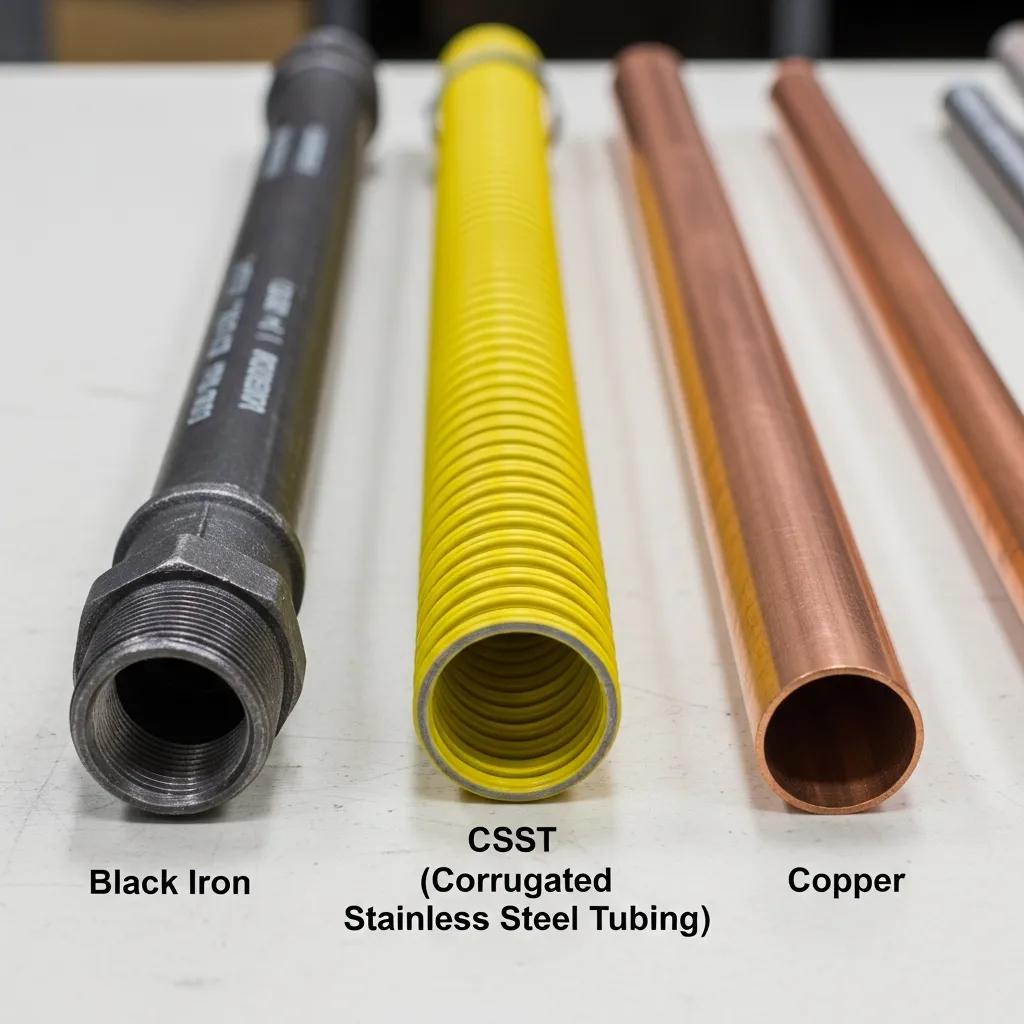
Choices for new installs or replacements depend on the situation — new construction, appliance upgrades, switching from propane to natural gas, or replacing aging black iron pipe. Common materials include black iron, copper (in certain applications), and CSST. Each option balances durability, flexibility, corrosion resistance, and code approval: black iron is a standard for indoor distribution, copper is limited by local code in some cases, and CSST is flexible but must be properly bonded and installed per the manufacturer’s instructions. Installations follow a checklist: size the piping for flow needs, select approved fittings, perform pressure testing, and schedule required inspections. Final commissioning includes checking venting and appliance connectors. Knowing these options helps you weigh reliability and installation complexity before approving a project.
Here’s a quick, practical comparison of common pipe materials and what they mean for your job.
- Black iron: a durable, common choice for indoor distribution when threaded and supported correctly.
- Copper: acceptable in some scenarios but subject to local code limits and connection requirements.
- CSST (corrugated stainless steel tubing): flexible and space-saving but requires correct bonding and approved fittings.
These material points also affect permit planning and inspection expectations, which we cover next.
Why choose licensed gas plumbers for your gas line needs in St. Clair Shores?
Licensed gas plumbers make sure work meets safety standards, legal requirements, and local code interpretation — which lowers the risk of leaks, bad fittings, and failed pressure tests that can cause dangerous incidents. Licensing and insurance give you accountability: qualified contractors demonstrate competency and carry coverage that protects property owners from liability tied to workmanship. Local, licensed teams also understand county and city inspection practices, common installation pitfalls in the area, and how to coordinate with utilities for meter work. Below we outline the certifications and training you should expect from technicians handling gas-line services.
When you’re ready to schedule service, the steps are simple: call to report the issue for immediate triage, request an on-site inspection for an accurate estimate, and ask for written, transparent pricing before any work begins. Frost and Kretsch Plumbing stands behind 24/7 emergency response, upfront pricing with no hidden fees, licensed and insured technicians, and a 100% satisfaction guarantee — mention these priorities when you call so we meet your expectations.
What certifications and training do our gas line technicians have?
Our technicians are licensed and insured and carry the training needed for pressure testing, proper bonding, and safe appliance hookups. Ongoing training keeps crews up to date on code changes, manufacturer requirements for CSST and connectors, and best practices for electronic leak detection and pressure measurement. A qualified tech documents test results and provides written verification that the system passed required pressure and leak checks before signing off. This combination of certification, continuing education, and documented verification protects homeowners and businesses alike.
How does our 24/7 emergency gas line repair service protect you?
Having 24/7 emergency coverage means we can triage reports immediately, isolate hazards quickly, and move to permanent repairs faster — reducing exposure and limiting property damage from ongoing leaks. When a leak is reported, our priority is occupant safety: we guide evacuations if needed, shut off gas at the appliance or service valve when it’s safe, and coordinate with the utility for meter-side problems. Crews then use calibrated detectors for a focused leak search and apply temporary measures if a full repair can’t be finished right away. Fast response shortens the time your home or business remains at risk and reduces the chance of secondary issues like CO from malfunctioning appliances. Clear post-repair testing and documentation restore safety with proof.
Next, we cover homeowner-focused safety steps you can take to reduce the chance of an emergency.
How can you ensure gas line safety and prevent emergencies at home?
Preventing gas-line emergencies starts with spotting warning signs, scheduling routine inspections, keeping good ventilation, and using complementary safety devices like carbon monoxide detectors. Regular visual checks of exposed piping, listening for hissing, and noting unusual odors are the first line of defense. Scheduled inspections by a licensed plumber catch corrosion, loose fittings, or worn connectors before they fail. A proactive maintenance plan includes exercising shut-off valves so they operate in an emergency, verifying bond connections on CSST, and replacing appliance connectors when they show wear. Below are clear immediate actions to take if you suspect a leak, followed by why inspections matter for long-term safety.
When every minute matters, follow these steps until a professional arrives.
- Evacuate everyone from the building immediately. Do not use electronics, lights, or anything that could spark.
- Once safely outside, call your gas utility’s emergency line to report the suspected leak and request a shut-off if needed.
- Contact a licensed gas-line plumber for triage and repair. Do not re-enter until authorities or a licensed tech confirm it’s safe.
- If anyone has symptoms like dizziness, headache, or nausea, get medical attention and tell them there may have been gas exposure.
- After the incident, schedule a full inspection and keep documentation of repairs and tests to prevent a repeat problem.
These steps reduce risk and exposure. The table below summarizes preventive measures, what they protect against, and how to implement them.
| Safety Measure | What it Protects Against | How to Implement |
|---|---|---|
| Regular inspections | Slow corrosion, loose fittings, hidden leaks | Schedule a licensed plumber to inspect annually or after appliance changes |
| Carbon monoxide detectors | CO from faulty or venting appliances | Install near sleeping areas and test monthly |
| Emergency shut-off practice | Delays in isolating gas during a leak | Teach household members where valves are and how to turn them off |
| Bonding/grounding for CSST | Lightning-related puncture risk | Have bonding checked during regular inspections by a licensed tech |
What are the warning signs of a gas leak in St. Clair Shores homes?
Common warning signs include the rotten-egg smell added to natural gas, audible hissing near pipes or meters, unexplained dead or dying vegetation over buried lines, and physical symptoms like headaches, nausea, or dizziness. Inside the house, pilot lights that keep going out, a sudden unexplained rise in gas bills, or visible corrosion and loose fittings are red flags. If you notice any of these, evacuate right away, call the gas utility from a safe location, and arrange for a licensed leak inspection. Early recognition reduces exposure and speeds diagnosis for the technician who responds.
Why are regular gas line inspections and maintenance important?
Inspections catch slow-developing problems — pinhole corrosion, worn connectors, or poorly supported runs — before they become active leaks that threaten safety or require disruptive emergency repairs. During an inspection, a technician will check visible pipe runs, test system pressure, verify valve operation, confirm CSST bonding, and inspect appliance connectors and burners; findings are documented and prioritized for repair. Regular maintenance extends the life of your system, keeps appliances running efficiently, and lowers the chance of sudden, costly failures. A routine schedule — commonly annual or whenever appliances change — helps homeowners budget for upgrades and ensures compliance when work is performed.
What are the costs and permit requirements for gas line services in St. Clair Shores?
Costs vary with scope: materials, accessibility, excavation, and required inspections are major drivers. A simple fitting repair is far less than a buried line replacement or meter relocation. Permits are typically required for new installations, relocations, and major replacements — licensed contractors usually pull permits and coordinate inspections for homeowners. While exact pricing requires an on-site inspection, a transparent provider will give a written estimate that lists scope, parts, labor, permit fees, and testing requirements before work starts. Frost and Kretsch Plumbing provides on-site estimates and clear pricing so you know the costs and permit responsibilities before you approve work.
| Job Type | Typical Cost Drivers | Permit Required? | Notes |
|---|---|---|---|
| Simple repair (fitting/connector) | Parts, diagnostic fee, labor time | Usually no for minor, non-system-altering work | On-site leak verification is required |
| Partial line replacement | Pipe length, chosen material, access and excavation | Often yes for exposed or buried sections | Utility coordination may be needed |
| New installation or meter relocation | System design, materials, inspections | Yes — permits and inspections required | Contractor typically handles the permit process |
How is gas line repair and installation priced locally?
Local pricing reflects diagnostic complexity, the pipe material (black iron, copper, CSST), labor for tight or excavated work, testing and inspection time, and any required utility coordination. Excavation, landscaping or pavement restoration, and buried-system liability all increase cost compared with a visible connector swap. Because every property is different, accurate pricing needs an on-site diagnostic and written scope; trustworthy providers break out labor, parts, permits, and testing so you can compare quotes objectively. Knowing these cost components helps you ask the right questions when getting bids and choosing between repair and replacement.
Do you need permits for gas line work in St. Clair Shores?
Permits are commonly required for new gas-line installs, relocations, and major repairs that change pipe routing or affect the service connection or meter. Local building departments and Michigan code define the exact triggers and inspection steps. Licensed contractors usually pull permits and schedule inspections for homeowners, ensuring work is documented and meets code. Homeowners should confirm permit needs with their contractor or the building inspector and expect inspection sign-off at project completion — this protects occupants and preserves property value. When in doubt, rely on a local licensed professional familiar with county and city permit processes.
Where can you find trusted gas line repair and installation experts in St. Clair Shores?
Look for licensed, insured contractors who offer emergency response, transparent pricing, and clear post-repair verification — these factors reduce liability and ensure code-compliant work. Review a company’s public profile for service details, customer promises like 24/7 emergency service and satisfaction guarantees, and instructions for reporting an urgent leak. When you call, expect triage questions to determine immediate danger, guidance on next steps, and the option to request an on-site estimate for non-urgent jobs; ask that the estimate include permit handling and final pressure-test documentation. Frost and Kretsch Plumbing serves Macomb, Oakland, and Wayne counties and emphasizes clear estimates, licensed technicians, round-the-clock response, and a 100% satisfaction guarantee when you’re choosing a contractor.
How to contact Frost and Kretsch Plumbing for gas line services?
If you suspect a gas leak, call emergency services and your gas utility first, then contact a licensed gas-line professional for on-site inspection and repair scheduling. For non-emergencies, request a diagnostic visit to get a written estimate that outlines labor, materials, permit handling, and required testing. Confirm technicians are licensed and insured and able to coordinate with the utility when needed. Check the company’s public listing for hours and reviews, or use the website contact form to request an appointment; mention our emergency service and satisfaction guarantee when you inquire so we meet your expectations. These steps help move the job from first call to completed, tested repairs efficiently.
What do customers say about our gas line services?
Customer reviews are a strong trust signal. Look at verified listings and posted feedback to judge responsiveness, workmanship, and whether the job matched the written estimate and included test documentation. Reviews often highlight emergency timeliness, clarity of estimates, and whether post-repair pressure testing was performed — all key to safety and satisfaction. Companies that stand behind a satisfaction guarantee and transparent pricing reduce uncertainty and build better outcomes. After service, leaving feedback helps neighbors choose wisely and encourages high standards among technicians.
Frequently Asked Questions
What should I do if I suspect a gas leak in my home?
If you suspect a gas leak, leave the building immediately and avoid anything that could spark — don’t use phones, switches, or open flames. From a safe location, call your gas utility’s emergency line to report the leak and request a shut-off. Then contact a licensed gas-line plumber for triage and repair. Don’t go back inside until the utility or a licensed technician confirms it’s safe. If anyone feels dizzy, nauseous, or faint, seek medical help and mention possible gas exposure.
How often should I schedule gas line inspections?
We recommend an inspection at least once a year or whenever you change gas appliances or make modifications to the system. Regular checks help find corrosion, loose fittings, or hidden leaks before they become serious. A licensed plumber will inspect visible pipe runs, test system pressure, and confirm components are functioning correctly. Routine inspections improve safety and extend your system’s life.
What are the benefits of using a licensed gas plumber?
Licensed gas plumbers follow safety standards and local codes, reducing the risk of leaks and other hazards. They’ve completed required training and carry certifications for gas work, and they’re insured to protect homeowners from liability tied to accidents or workmanship. Licensed contractors also know local permitting and inspection processes and can handle paperwork so the job is documented and compliant.
What types of materials are used for gas line installations?
Typical materials include black iron, copper, and corrugated stainless steel tubing (CSST). Black iron is widely used indoors for its durability, copper is allowed in some situations but must follow local codes, and CSST is flexible and space-efficient but requires proper bonding and approved fittings. A licensed plumber will recommend the best material for your home and local code requirements.
How can I maintain my gas line system?
Maintain your system with regular inspections, visual checks for wear or corrosion, and testing of shut-off valves so they operate when needed. Watch for unusual odors or hissing sounds, and replace worn appliance connectors. Install and test carbon monoxide detectors and schedule professional inspections to catch issues early. A proactive plan prevents leaks and extends system life.
What are the typical costs associated with gas line services?
Costs range widely based on scope: simple fixes like swapping a fitting are inexpensive, while line replacements, meter relocations, or buried work are more costly. Accessibility, excavation, material choice, and required inspections affect price. Get a written estimate that lists labor, parts, permit fees, and testing before you approve work so there are no surprises.
What should I look for in a gas line service provider?
Choose licensed and insured contractors who provide transparent pricing and emergency response. Check reviews, ask about permit handling and post-repair pressure testing, and confirm technicians’ credentials. A reputable provider will answer questions, provide a clear written estimate, and document completed tests and inspections.
Conclusion
Professional gas line repair and installation protect your family, your property, and your peace of mind in St. Clair Shores. Choosing licensed experts means work is done to code, priced transparently, and backed by reliable emergency response. Regular inspections and timely maintenance keep systems efficient and reduce the chance of dangerous failures. Contact Frost and Kretsch Plumbing today to schedule an inspection or emergency service and keep your home safe from gas-related hazards.