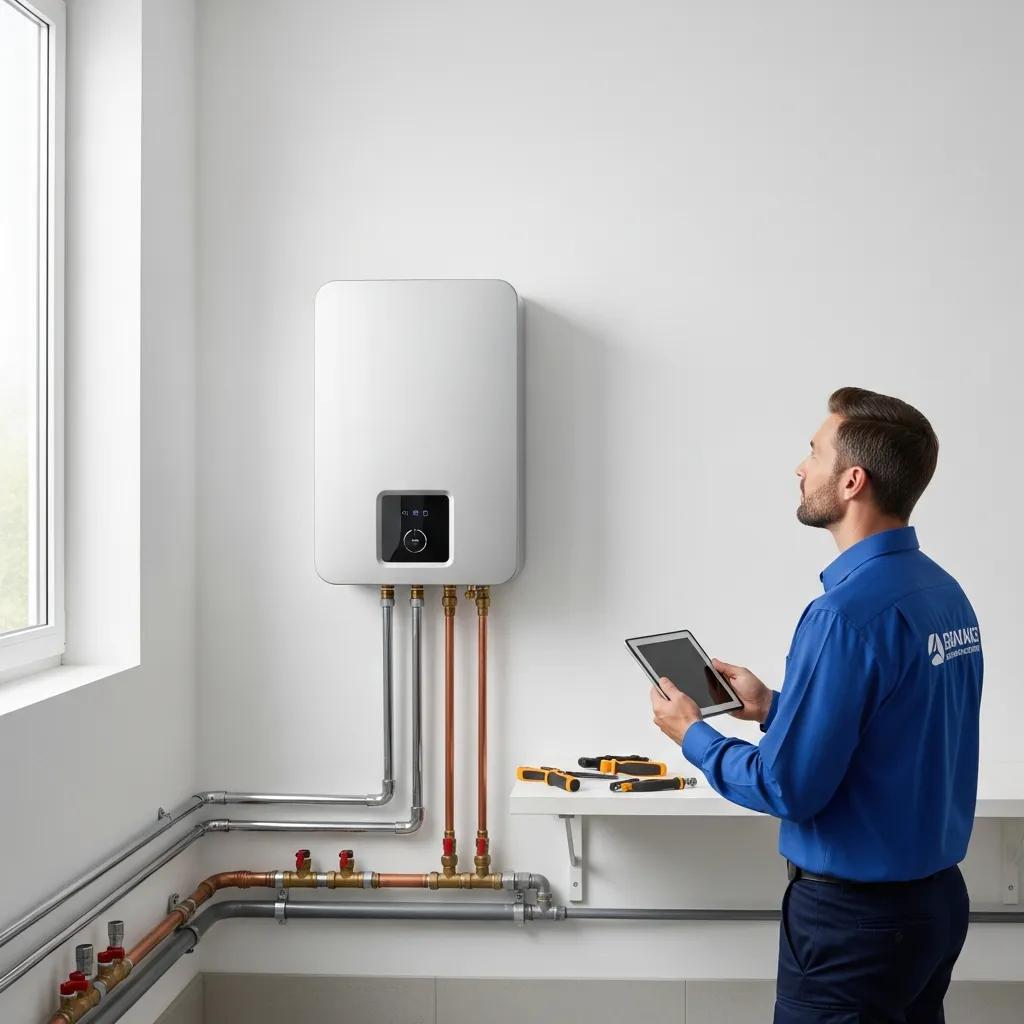
Water Heater Replacement in Chesterfield: Expert Installation and Repair Services for Reliable Hot Water Solutions
Keeping hot water flowing at home or at work starts with the right replacement choice. This guide explains common water heater types, what to expect during installation, and simple maintenance steps. Chesterfield homeowners face disruption when heaters fail; informed choices cut downtime and lower running costs. We cover heater types, installation, cost ranges, financing and upkeep so you can choose the best solution for reliable hot water.
Key Takeaways
- Chesterfield offers various water heater options, including tankless, traditional, heat pump, and solar models.
- Tankless water heaters provide on-demand hot water and are more energy-efficient than traditional models.
- Top water heater brands in Michigan include Rheem, AO Smith, and Bradford White.
- Water heater installation involves assessment, preparation, installation, testing, and cleanup by licensed plumbers.
- Installation time varies based on unit type, existing infrastructure, and site accessibility.
- Water heater costs range from $800 to $2,500, with financing options available for Chesterfield homeowners.
- Regular maintenance, such as flushing and anode rod checks, extends water heater lifespan.
- Emergency services in Chesterfield include 24/7 repairs, replacements, and inspections for urgent issues.
- Frost and Kretsch Plumbing offers reliable water heater services with customer satisfaction guarantees.
What Types of Water Heaters Are Available for Replacement in Chesterfield?
Chesterfield homeowners can choose from several common water heater types. Each offers different benefits depending on space, budget and energy goals.
- Tankless Water Heaters: These units heat water on demand, providing a continuous supply without the need for a storage tank. They are energy-efficient and save space.
- Traditional Water Heaters: These units store hot water in a tank and are available in both electric and gas models. They are typically less expensive upfront but may have higher operating costs.
- Heat Pump Water Heaters: These use electricity to move heat from the air or ground to heat water, making them highly energy-efficient.
- Solar Water Heaters: Utilizing solar panels, these systems harness sunlight to heat water, offering significant savings on energy bills.
Each option has trade-offs. Compare upfront cost, space needs and expected energy savings to pick the right model for your household.
How Do Tankless Water Heaters Compare to Traditional Models?
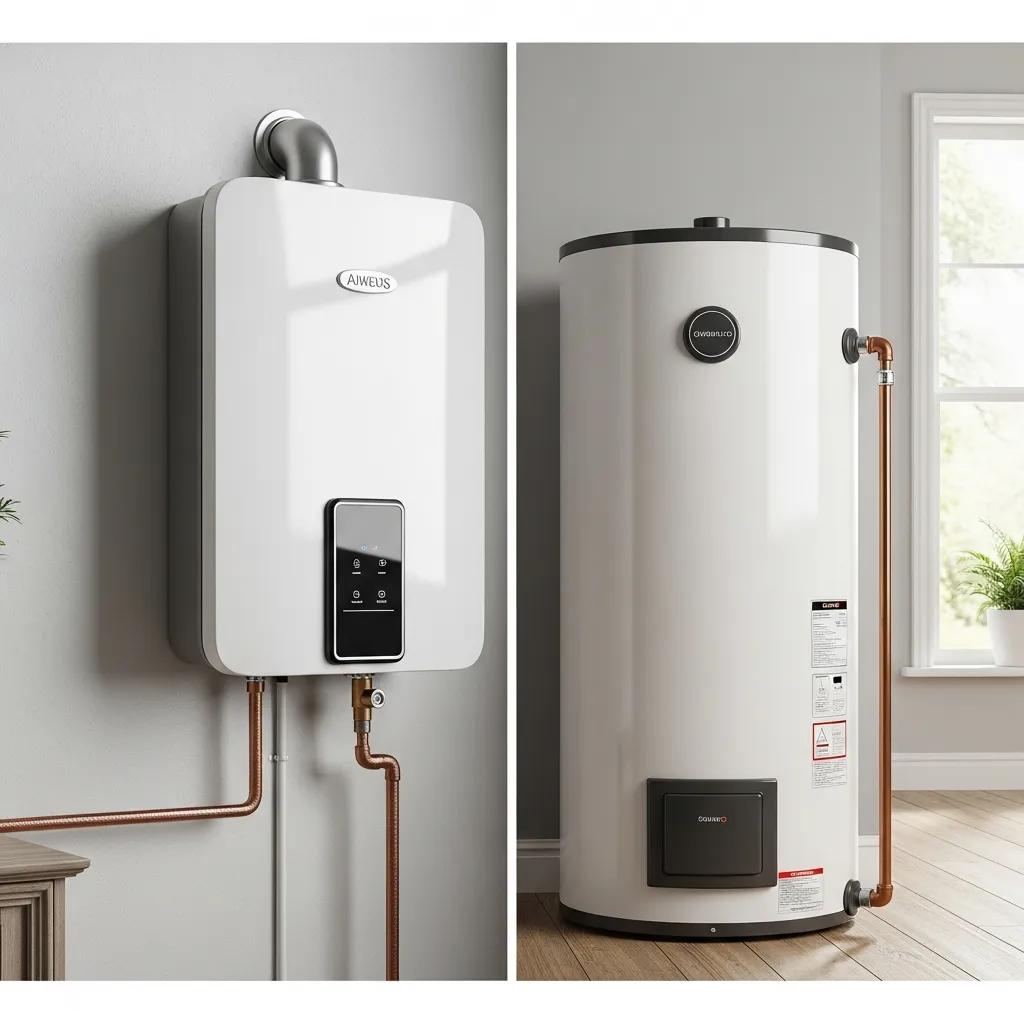
Tankless units deliver hot water on demand and cut standby energy loss. That can lower bills if your household usage fits those systems. Traditional tanks cost less up front and can be simpler to fit into an existing setup.
Studies indicate tankless systems can offer measurable energy savings under the right conditions.
Tankless Water Heaters: Energy Savings & Efficiency
Tankless water heaters can significantly reduce the energy used for water heating. Their on-demand operation has attracted attention from researchers studying energy savings and system performance.
Behavior and testing performance of a gas tankless water heater, M Krarti, 2011
Think about household hot water patterns, space constraints and budget. Tankless systems suit smaller homes or those focused on energy savings. Traditional tanks can be better for larger families with high simultaneous demand.
Which Are the Best Water Heater Brands in Michigan?
Brand matters for reliability and support. In Michigan, Rheem, AO Smith and Bradford White are commonly recommended for residential use.
- Rheem: Known for its innovative technology and energy-efficient models, Rheem offers a wide range of options for both residential and commercial use.
- AO Smith: This brand is recognized for its durable and efficient water heaters, providing various models to suit different needs.
- Bradford White: A popular choice among plumbers, Bradford White is known for its high-quality construction and reliable performance.
These manufacturers back their products with warranties and service networks that help protect your investment.
How Does the Water Heater Installation Process Work in Chesterfield?
Installation starts with a licensed plumber assessing your current system and needs. They’ll recommend the best replacement and review any site work required.
Once you approve the plan, the installer removes the old unit, makes plumbing and electrical adjustments, fits the new heater to code and tests it to confirm safe operation.
What Steps Do Licensed Plumbers Follow During Installation?
Licensed plumbers follow a systematic approach during water heater installation to ensure safety and efficiency. The steps typically include:
- Assessment: Evaluating the existing system and discussing options with the homeowner.
- Preparation: Removing the old unit and preparing the installation area.
- Installation: Connecting the new water heater to the plumbing and electrical systems.
- Testing: Conducting tests to ensure the unit operates correctly and efficiently.
- Cleanup: Removing any debris and ensuring the area is clean and safe.
This organised process reduces disruption and ensures the job meets local codes and safety standards.
How Long Does Water Heater Installation Typically Take?
Most installations take between 2 and 6 hours. The exact time depends on the unit type and site conditions.
Factors that may influence the installation time include:
- Type of Water Heater: Tankless models may require more time for installation due to additional components.
- Existing Infrastructure: Older homes may need upgrades to plumbing or electrical systems, extending the installation time.
- Accessibility: If the installation site is difficult to access, it may take longer to complete the job.
What Are the Costs and Financing Options for Water Heater Replacement?
Replacement costs vary by unit and complexity. Expect to pay roughly $800 to $2,500 for a new water heater with installation, depending on model and labour.
Financing Options Available for Chesterfield Homeowners
If upfront cost is a concern, many local plumbers offer financing plans. You may also qualify for rebates or incentives on energy-efficient models from state or local programmes.
| Financing Option | Description | Benefits |
|---|---|---|
| In-House Financing | Offered by plumbing companies | Flexible payment plans |
| Home Equity Loans | Borrow against home equity | Lower interest rates |
| Energy Efficiency Rebates | State or local incentives | Reduce overall costs |
These options make it easier to spread payments and choose an efficient system without a large one-time expense.
What Factors Influence Water Heater Maintenance and Replacement Costs?
Cost drivers include the unit’s age, the model type and how often you maintain it. Older tanks usually need more repairs and may require full replacement.
- Age of the Unit: Older units may require more frequent repairs and eventually need replacement.
- Type of Water Heater: Different models have varying maintenance needs and lifespans.
- Frequency of Maintenance: Regular maintenance can extend the life of your water heater and reduce long-term costs.
Knowing these factors helps you budget and decide when replacement is the smarter choice.
How Can You Maintain Your Water Heater to Extend Its Lifespan?
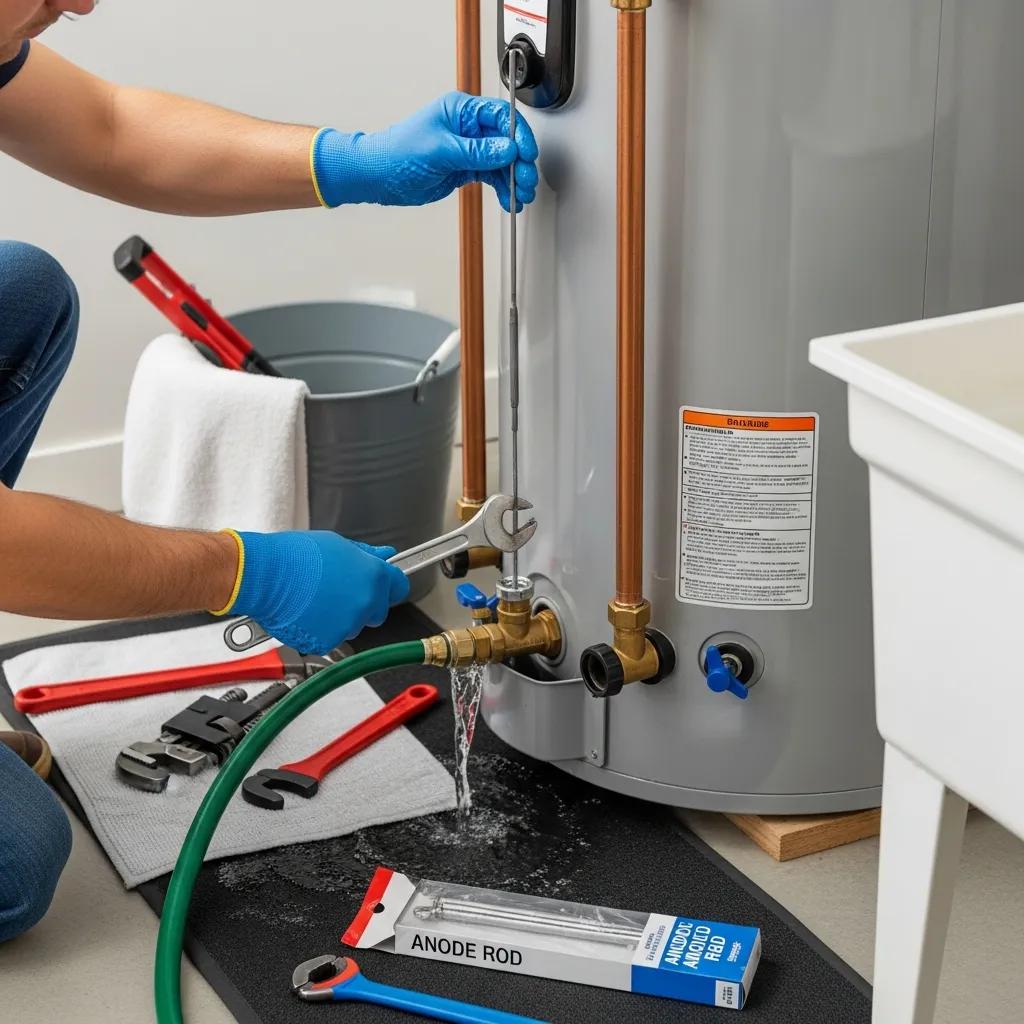
Regular upkeep keeps a heater efficient and lasting longer. Key tasks include annual tank flushing, periodic anode rod checks and insulating hot water pipes.
- Regular Flushing: Flushing the tank annually helps remove sediment buildup, improving efficiency.
- Checking the Anode Rod: Inspecting and replacing the anode rod every few years can prevent corrosion.
- Insulating Pipes: Insulating hot water pipes can reduce heat loss and improve efficiency.
Routine maintenance reduces breakdowns and helps the unit perform as intended over its expected life.
Scientific research highlights corrosion risk in electric water heaters and the protective role of sacrificial anodes.
Preventing Water Heater Corrosion: Galvanized Iron & Anodes
Corrosion is a major challenge for manufacturers of electric water heaters made from galvanized iron. Welding during production can remove galvanisation at joints, creating areas with different electrochemical potentials. In water, these differences form localized anodic and cathodic zones, triggering electron flow and accelerating corrosion at welded areas.
Reducing Corrosion Rate for Electric Water Heater in Welding Joints by Using Sacrificial Anodes, 2025
What Are Essential Water Heater Maintenance Tips?
To keep your water heater in optimal condition, consider these essential maintenance tips:
- Inspect for Leaks: Regularly check for leaks around the tank and connections.
- Test the Pressure Relief Valve: This safety feature should be tested annually to ensure it functions correctly.
- Monitor Temperature Settings: Keeping the thermostat at 120°F can prevent scalding and reduce energy costs.
Carry out these checks yearly to reduce repair risk and extend service life.
When Should You Schedule Professional Maintenance or Repairs?
Call a pro if you hear strange noises, see discoloured water or notice temperature swings. These signs often point to sediment, corrosion or failing elements.
- Unusual Noises: Banging or popping sounds may indicate sediment buildup.
- Discolored Water: Rusty or discolored water can signal corrosion within the tank.
- Inconsistent Water Temperature: Fluctuating temperatures may indicate a failing heating element.
Timely repairs prevent larger failures and higher costs down the line.
What Emergency Water Heater Services Are Offered by Local Experts in Chesterfield?
Local plumbers in Chesterfield provide 24/7 repairs, fast replacements and emergency inspections to address urgent water heater problems.
- 24/7 Repairs: Immediate assistance for leaks, failures, or other urgent problems.
- Replacement Services: Quick replacement of malfunctioning units to restore hot water access.
- Inspection Services: Emergency inspections to identify and resolve potential hazards.
How to Recognize Water Heater Emergencies?
Watch for pooling water, a total loss of hot water or loud banging and hissing. These are signs that need immediate attention.
- Leaking Water: Puddles around the unit or dripping from connections.
- No Hot Water: Complete loss of hot water supply.
- Strange Noises: Loud banging or hissing sounds indicating internal issues.
If you spot any of these, shut off power and water if it’s safe, then call a licensed plumber at once.
How Quickly Can Licensed Plumbers Respond to Emergency Repairs?
Plumbers in Chesterfield generally respond within a few hours for emergencies. Response time depends on time of day, distance and issue severity.
- Time of Day: Emergency calls during peak hours may experience longer wait times.
- Location: Proximity to the service area can affect how quickly a plumber can arrive.
- Severity of the Issue: More severe issues may prioritize response times.
Keeping a trusted service on speed dial helps you get fast help when problems strike.
How to Contact Frost and Kretsch Plumbing for Water Heater Replacement in Chesterfield?
For water heater replacement in Chesterfield, Frost and Kretsch Plumbing offers installation and repair services backed by local experience.
What Are the Best Ways to Request a Quote or Service Appointment?
To request a quote or schedule service, you can call for immediate help, use the website contact form or send an email for details.
- Call Directly: Reach out via phone for immediate assistance and quotes.
- Visit the Website: Use the online contact form to request information or schedule services.
- Email: Send inquiries directly to the company for detailed responses.
Choose the method that suits you best for quick scheduling or a written quote.
What Customer Satisfaction Guarantees Does Frost and Kretsch Plumbing Offer?
Frost and Kretsch Plumbing guarantees quality workmanship, timely service and follow-up support to address any post-service concerns.
- Quality Workmanship: Assurance that all work is performed to the highest standards.
- Timely Service: Commitment to punctuality and respect for the homeowner’s time.
- Follow-Up Support: Availability for follow-up questions or concerns after service completion.
Those guarantees aim to give homeowners confidence that the job will be done right.
For commercial plumbing needs, Frost & Kretsch Plumbing provides tailored services to keep businesses running smoothly.
If you have drain or sewer issues, their sewer drain cleaning services offer regular maintenance to prevent costly blockages and repairs.
If you need to get in touch with them, you can contact us today.
Frequently Asked Questions
What are the signs that indicate a water heater needs replacement?
Signs your water heater may need replacing include persistent leaks, rusty or discoloured water, loud banging or popping, inconsistent temperatures and rising energy costs. If the unit is 10–15 years old, replacement is often the more cost-effective option.
How can I choose the right size water heater for my home?
Pick size based on demand. For tank heaters use the first-hour rating (FHR). For tankless, calculate peak flow rate during busy times. A plumber can help size the unit using household occupants and typical usage patterns.
Are there any energy-efficient options for water heaters?
Yes. Tankless systems heat on demand, heat pump models transfer heat efficiently and solar systems use renewable energy. Look for ENERGY STAR-rated units to ensure good efficiency.
What maintenance tasks should I perform regularly on my water heater?
Key tasks are annual tank flushing, checking the anode rod every few years, inspecting for leaks and testing the pressure relief valve yearly. Keep the thermostat at 120°F to save energy and reduce scald risk.
What should I do if my water heater is leaking?
If your heater leaks, turn off power and shut the water supply if it’s safe. Minor leaks may be fixed by tightening fittings, but significant leaks or a corroded tank require a licensed plumber to assess repair or replacement.
How can I improve the efficiency of my existing water heater?
Improve efficiency by insulating the tank and hot water pipes, flushing the tank to remove sediment, setting the thermostat to 120°F and using a timer on electric units to heat water only when needed.
Conclusion
Picking the right replacement improves comfort and can cut energy costs. Understand your options, follow simple maintenance steps and consult local experts like Frost and Kretsch Plumbing for professional installation and support. Review your choices today to keep hot water reliable at home.