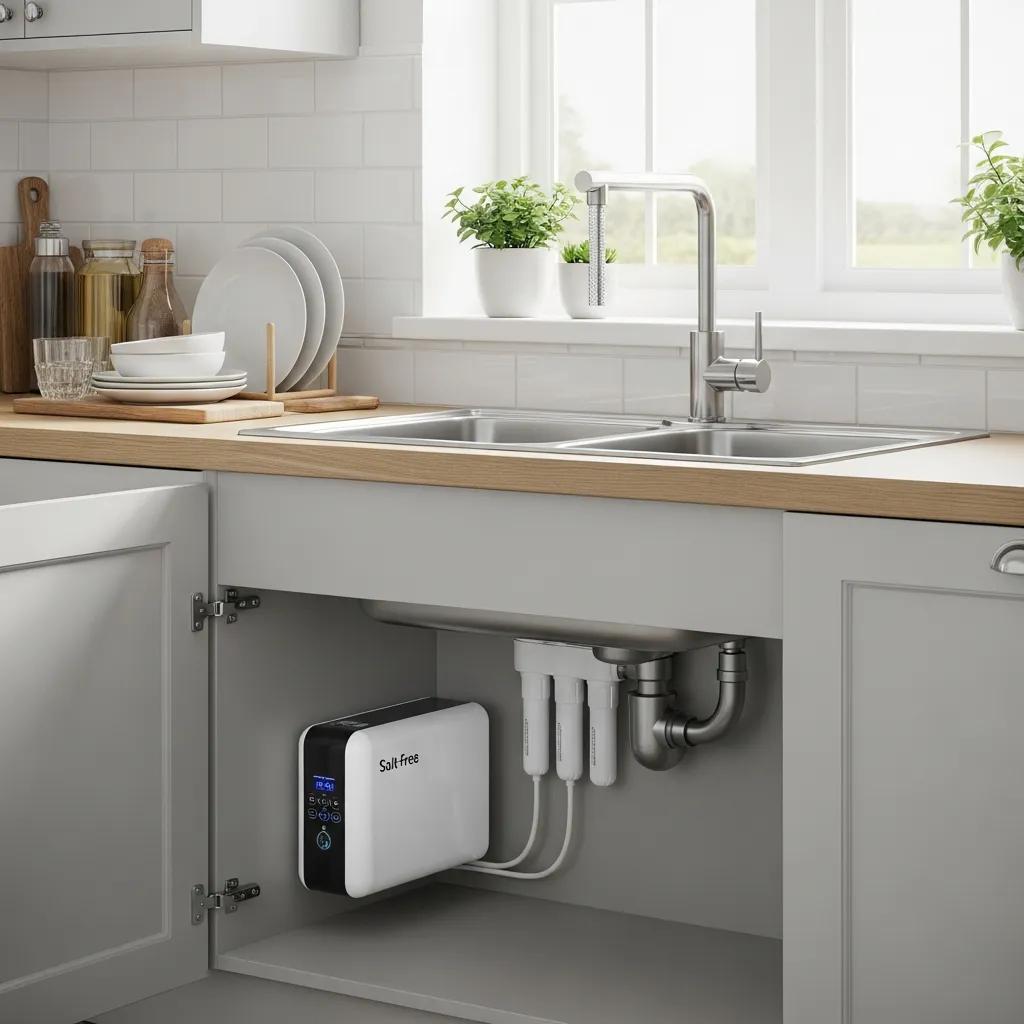
Salt-Free Water Conditioners: Why a Saltless System Might Be Right for Your Home
Salt-free water conditioners control scale by changing how hardness minerals behave instead of removing calcium and magnesium with ion exchange. Most systems turn dissolved hardness into tiny, non-sticky crystals — using template-assisted crystallization (TAC) media, electronic descalers, or magnetic options — so minerals don’t cling to pipes, water heaters, or fixtures. The result for homeowners is cleaner fixtures, fewer maintenance headaches, and appliances that run efficiently without adding salt or sending brine down the drain. This guide walks through how saltless treatment affects how your water looks and feels, the environmental and health differences compared with salt-based softeners, and what you need to know to choose and install a no-salt system. You’ll get a clear explanation of core methods (TAC, descalers, magnetic/electronic), common household results (less scale, longer appliance life), and practical checklists and comparisons to help you decide if salt-free works for your plumbing.
What Are the Key Advantages of Salt-Free Water Conditioners?
Salt-free conditioners control scale without ion exchange: they encourage minerals to form inert crystals or otherwise behave so deposits won’t stick. That means the dissolved minerals stay in the water while the thick, hard scale that clogs heat exchangers, shower doors, and faucets is greatly reduced. For homeowners, the main benefits are longer-lasting appliances, less scrubbing, no salt handling, and no salty brine going into septic systems. Below is a quick-reference table tying common homeowner concerns to the practical benefits and how each technology works so you can match outcomes to priorities.
Most salt-free systems use TAC media, electronic descalers, or magnetic devices to disrupt scale formation. Each method targets the crystallization process so you need less frequent appliance descaling, fewer service calls, and longer intervals between maintenance. The sections that follow explain what to expect day to day and the environmental advantages of avoiding salt-based regeneration.
How Do Saltless Water Softeners Improve Water Quality?
Saltless systems change the form of hardness minerals so they’re far less likely to stick to surfaces. That cuts down visible scale, spots on glassware, and the filmy residue you sometimes feel on skin, hair, and dishes. Whether it’s TAC media creating seed crystals or an electronic descaler altering mineral behavior, the end result is smaller particles that rinse away instead of bonding to surfaces. Homeowners often notice clearer shower doors, fewer white rings in kettles, and less buildup on heating elements — which helps appliances heat consistently and reduces service needs. For example, a kettle that used to have thick limescale may only show light, wipe-away deposits after a salt-free system is installed.
Cleaner surfaces also mean you use fewer harsh descalers and call for professional maintenance less often, which helps appliances last longer and saves you time and money. That naturally leads into how salt-free systems affect wastewater and septic systems.
What Environmental Benefits Do Salt-Free Systems Offer?

Because they don’t use ion-exchange resins that need salt regeneration, salt-free systems don’t produce salty brine waste. That means no continuous chloride discharge to drains, municipal treatment plants, or septic fields — which helps protect soil structure and the microbes that keep septic systems working. For municipalities, less chloride in wastewater can ease permit and infrastructure wear issues. Many salt-free conditioners also rely on passive media or low-power electronics, so they avoid the recurring resource and transport costs associated with bulk salt and frequent regeneration cycles.
Since saltless systems keep minerals in the water instead of removing them, they don’t raise sodium levels in household wastewater — an advantage in areas with strict discharge rules or sensitive septic setups. That environmental profile is why some towns and homeowners prefer salt-free solutions where brine disposal is a local concern.
Harness the Power of Salt-Free Water Conditioning for Your Home
Salt-free conditioners and salt-based ion-exchange softeners work in very different ways. Ion exchange removes hardness by swapping calcium and magnesium for sodium or potassium; salt-free systems change how minerals crystallize so they don’t adhere. Those different mechanisms lead to trade-offs in maintenance, water chemistry, plumbing effects, and environmental impact. Below is a concise side-by-side to help you compare mechanism, upkeep, and what to expect for your pipes and appliances.
The table below summarizes the core contrasts between salt-free and salt-based systems.
| System Type | Mechanism | Maintenance Impact | Plumbing/Appliance Effect |
|---|---|---|---|
| Salt-free conditioner | TAC, electronic, magnetic — encourages non-adherent mineral crystallization | Low-maintenance: occasional media checks or electronic inspections; no salt refills | Cuts scale formation; minerals remain dissolved in the water |
| Salt-based softener | Ion exchange — replaces calcium/magnesium with sodium or potassium | Regular salt refills and resin upkeep | Removes hardness; can raise sodium in water |
| Hybrid/other | Blend of media, filtration, or combined technologies | Varies by system design | Can address scale and specific contaminants together |
This comparison shows salt-free units cut chores and avoid brine, while salt-based softeners produce truly soft water at the cost of salt handling and potential sodium increases.
Quick pros and cons to help you weigh options:
- Salt-Free Pros: No salt, low upkeep, septic-friendly.
- Salt-Free Cons: Leaves dissolved minerals in water; may be limited in very hard water situations.
- Salt-Based Pros: Produces fully softened water that prevents most hardness symptoms.
- Salt-Based Cons: Requires salt handling, creates brine discharge, and can add sodium.
Your choice depends on priorities — complete softness vs. scale control with lower environmental impact — and on local constraints like septic fields or municipal rules. FK Plumbing installs both system types and can provide on-site comparisons and estimates so you can pick the right approach for your home.
What Are the Differences in Installation and Maintenance?
Salt-free systems are usually compact and simple to install inline, with fewer plumbing changes. Salt-based softeners are bigger, need a resin tank, a regeneration drain, and space for salt storage. Typical salt-free installs involve choosing a spot with easy inlet/outlet access, adding a bypass valve, and mounting the media or electronic unit per manufacturer instructions. Maintenance for salt-free units is usually limited to media replacement every few years or periodic electronic checks. Salt-based systems require regular salt refills and occasional resin cleaning or replacement. Consider available space, a nearby drain (for salt systems), and adding a bypass for servicing — these factors determine whether a DIY install is realistic or a licensed plumber should do the work.
Skilled DIYers can handle simple installs, but local codes, warranty terms, and tricky piping often make professional installation the safer route. When you hire someone, choose a licensed plumber who will size the system correctly, install proper bypass and shutoffs, and commission the unit so it runs as intended.
How Do Salt-Free Systems Affect Plumbing and Appliances?
Salt-free systems reduce scale buildup on pipes and heating elements without stripping dissolved minerals from the water, so flow rates stay normal while insulating scale is minimized. That helps water heaters keep better heat transfer, lowers the chance of clogged dishwasher spray arms and coffee-machine parts, and keeps faucets and showerheads working as designed longer. Because the water still contains minerals, you won’t see the corrosion that very soft water can sometimes cause, but extremely hard water may leave light residues — so manage expectations accordingly. Many homeowners report cleaner heating elements and fewer blocked jets after switching to a salt-free descaler, which translates to fewer repairs and improved energy efficiency.
Over time, less scale means maintained thermal efficiency in hot water systems, steadier hot water delivery, and potential energy savings. Keep an eye on appliance performance after installation to note improvements and schedule any needed media renewal or electronic unit maintenance.
What Are the Health and Safety Benefits of Using Saltless Water Conditioners?
Saltless conditioners offer health and safety advantages mainly because they don’t add sodium or other chemicals and they don’t create brine that can harm septic systems. These systems preserve natural minerals while reducing scale, which keeps taste intact for most households. For people watching sodium intake, salt-free systems remove the worry of added salt from the water — but anyone with medical concerns should still test their water and consult a healthcare provider if needed. The next two sections answer sodium concerns directly and explain septic compatibility.
Can Salt-Free Conditioners Help Reduce Sodium Intake?
Short answer: yes. Salt-free conditioners do not add sodium because they don’t rely on ion exchange or salt regeneration. Salt-based softeners swap out hardness for sodium or potassium, which raises dissolved sodium levels; salt-free systems simply change mineral form and leave total dissolved solids essentially the same. If you’re limiting sodium for health reasons, a salt-free system avoids a water-derived sodium increase — but confirm any dietary questions with water testing and medical advice. If your household needs complete mineral removal for medical reasons, pair a salt-free conditioner with a point-of-use reverse osmosis system or get personalized advice from a water treatment professional.
This no-salt profile also supports septic compatibility and lowers environmental impact, as covered next.
Are Saltless Water Conditioners Safe for Septic Systems?
Yes — saltless conditioners are generally septic-safe because they don’t discharge brine that can upset septic microbes or soil absorption fields. Healthy septic systems rely on microorganisms to break down waste, and repeated salty discharges can harm those microbes and reduce soil permeability. By avoiding salt-based regeneration cycles, salt-free systems lower the risk of hurting septic function or shortening a leach field’s life. Still, local septic rules and soil types vary, so check with your septic pro or municipal code office before installing.
For homes on septic systems — common in rural areas — salt-free options are often recommended because they protect biological activity and avoid chloride loading.
How Does a Water Descaler Benefit Your Home?
A water descaler helps by reducing how minerals stick to plumbing surfaces and appliances. Whether it’s TAC media, an electronic device, or a magnetic unit, a descaler shifts mineral growth so deposits form as non-adherent crystals that flush away rather than building thick insulating layers. That improves appliance efficiency, reduces cleaning time, and cuts routine maintenance. Typical household wins after installing a descaler include better heat exchange in water heaters, fewer dishwasher blockages, and less frequent descaling of kettles and coffee makers. The short list below highlights the most common, visible benefits.
Observable benefits homeowners commonly notice after installing a descaler:
- Easier cleaning of fixtures: Less crust and fewer stains on faucets and glass.
- Improved appliance performance: Heating elements run cleaner and cycles stay consistent.
- Lower detergent use: Less mineral film lets soaps and detergents rinse away more effectively.
Those improvements often translate into lower maintenance costs and fewer service visits, which can make a descaler a smart investment in homes with persistent scale. The next sections explain how descalers work and how they protect appliances.
What Is the Role of Water Descalers in Preventing Scale Buildup?
Descalers prevent scale by changing how calcium and magnesium crystals form and grow, encouraging micro-crystals that stay suspended or rinse away instead of sticking. TAC systems offer media where controlled seed crystals develop, while electronic descalers influence deposition patterns with electromagnetic fields. By interrupting how adhesive crystals form, descalers keep surfaces cleaner, reduce insulating scale on heat exchangers and tank walls, and cut down the need for harsh chemical cleaners.
Remember: descalers prevent and reduce scale — they don’t remove dissolved minerals from the water.
How Do Salt-Free Descalers Protect Household Appliances?
Salt-free descalers help appliances by stopping thick, adherent scale that damages heating elements, clogs spray arms, and restricts flow. With less scale, water heaters transfer heat better, dishwashers and washing machines run with fewer clogs, and coffee makers show less residue. Over time, this reduces repair calls and extends the life of scale-sensitive appliances. Maintenance generally shifts from frequent chemical descaling to periodic visual checks and occasional media replacement or electronic servicing.
The result is a noticeable improvement in appliance cleanliness and reliability — a practical reason many homeowners choose descalers.
What Should You Know About No Salt Water Conditioner Installation?
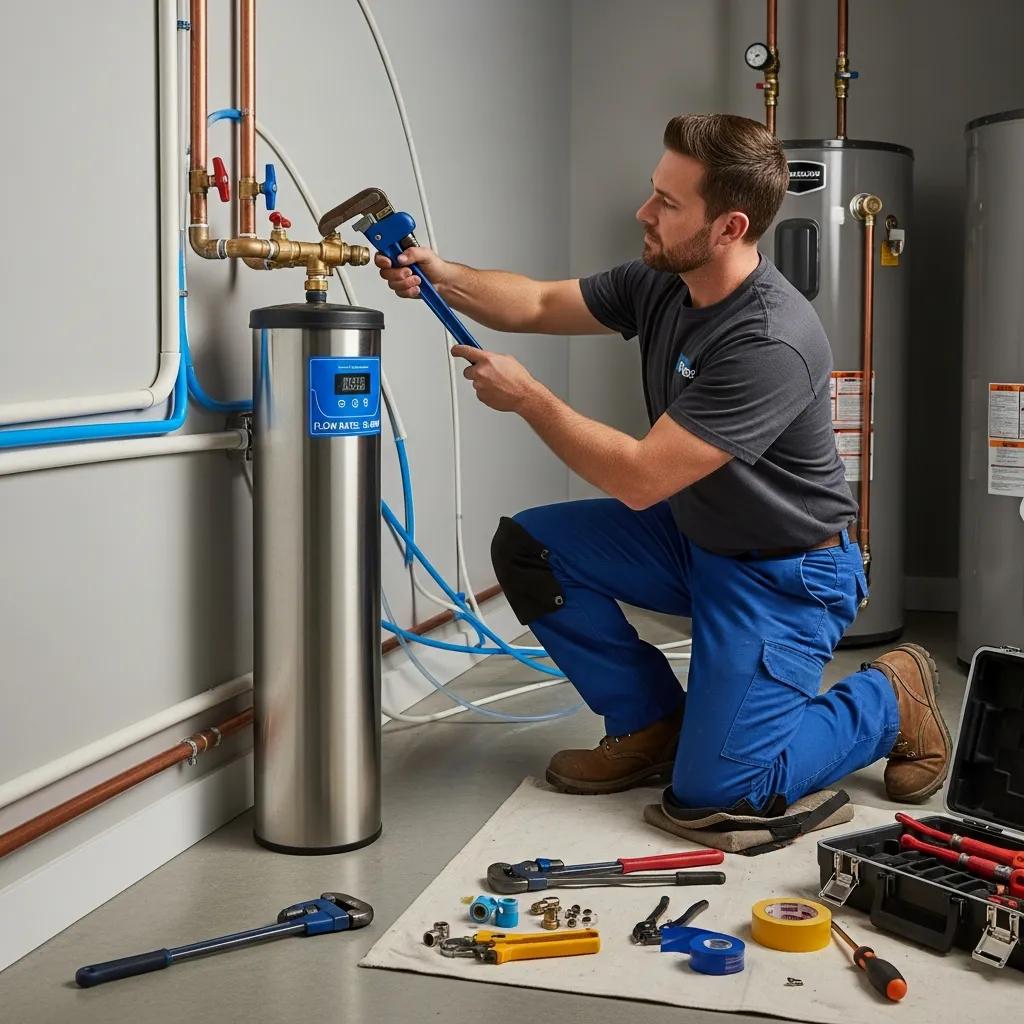
Installing a no-salt conditioner means planning for location, plumbing access, a bypass valve, and correct sizing to match household flow — key steps to get the promised performance and easy servicing. Before installation, test water hardness, measure inlet flow and pressure, and confirm there’s room for the unit and fittings. Typical installation tasks include mounting the unit, connecting inlet and outlet lines with shutoffs and a bypass, and commissioning the system with a flush and performance check. The compact checklist below shows who usually handles each step and what to expect for time and risk.
| Task | Performer | Time / Effort | Risk / Consideration |
|---|---|---|---|
| Water test and sizing | Homeowner or pro | 30–60 minutes | Accurate sizing avoids flow restrictions |
| Mounting and plumbing connections | Licensed plumber or skilled DIY | 1–3 hours | Proper valves and fittings prevent leaks |
| Bypass valve and commissioning | Licensed plumber | 30–60 minutes | Ensures easy servicing and correct operation |
| Media placement or unit setup | Installer | 15–45 minutes | Incorrect media orientation can reduce effectiveness |
This checklist highlights which phases are straightforward and which are best left to a pro, so you can plan time and budget accurately.
For many homeowners, warranty rules and local codes determine whether a DIY install is sensible or if a licensed plumber is required.
FK Plumbing offers professional installation and scheduling help for homeowners who want an expert to handle sizing, plumbing tie-ins, and commissioning. We also provide on-site assessments and estimates to recommend the best salt-free option for your property — contact our team through FK Plumbing’s website or local listing to arrange an assessment.
What Are the Steps for Installing a Salt-Free Water Conditioner?
Typical installation steps start with a water test and sizing, then selecting a location with inlet/outlet access and a bypass. Installers shut off the water, drain the line, mount the conditioner or fit the TAC cartridge, and connect inlet/outlet lines with a bypass valve for future servicing. After plumbing is connected, the installer slowly brings water back, checks for leaks, and flushes the system per manufacturer instructions to clear installation debris and condition the media. The final step is commissioning: verify flow rate, calibrate any electronic units, and document initial performance for future comparison.
These steps are straightforward for a trained installer and manageable for experienced DIYers with the right tools and code knowledge; correct commissioning is critical to get the advertised scale control.
Numbered installation steps with time estimates and tips:
- Pre-installation test and sizing: 30–60 minutes; confirm hardness and flow to pick the right unit.
- Mounting and plumbing connections: 1–3 hours; install a bypass valve and check fittings for compatibility.
- Flushing and commissioning: 15–45 minutes; flush per manufacturer instructions and verify flow performance.
- Post-install monitoring: Ongoing; watch for reduced scaling and schedule media replacement as recommended.
Following these steps helps avoid common mistakes like undersizing the unit or skipping a bypass valve, both of which can hurt long-term performance.
Can You Install a Saltless System Yourself or Need a Professional?
DIY is possible for homeowners comfortable with plumbing, basic tools, and shutting off water. Inline TAC units or clamp-on electronic descalers are the most DIY-friendly options. But call a pro when you need to work on pressurized plumbing, add bypass valves, meet local codes, or maintain warranty requirements. Licensed plumbers make sure the system is sized correctly, fittings are secure, bypasses are installed, and commissioning is documented — all of which protect performance and warranty coverage. As a rule: if the install is simple and within your skill set, DIY can work; for complex piping, multi-valve manifolds, or when warranty and code compliance matter, hire a licensed plumber.
Hiring a professional also simplifies post-install support and gives you documented commissioning to track benefits and troubleshoot early issues.
For homeowners in Macomb, Oakland, and Wayne counties who want an on-site assessment, FK Plumbing provides tailored installation options that respect local plumbing norms and septic conditions — schedule an assessment through our website or local listing to explore salt-free solutions for your home.
Frequently Asked Questions
1. What types of households benefit most from salt-free water conditioners?
Salt-free conditioners work well in homes with hard water where mineral buildup causes scale on plumbing and appliances. They’re a good fit for families who want lower maintenance and longer-lasting appliances without dealing with salt. Homes on septic systems especially benefit because there’s no brine discharge. In short, any household looking to cut scale and reduce cleaning while preserving natural minerals can benefit from a salt-free system.
2. How do I know if a salt-free water conditioner is right for my home?
Start with a water hardness test. If your water is moderately hard, a salt-free system can reduce scale without removing minerals. Consider household water use, plumbing condition, and any health concerns about sodium. A plumbing professional can give tailored advice based on your situation and help you decide whether salt-free treatment meets your goals.
3. Are there any limitations to using salt-free water conditioners?
Yes. Salt-free conditioners don’t remove dissolved minerals, so they may be less effective in extremely hard water where mineral removal is needed. Some users may still see small residues, even though major scale is reduced. Households that need completely softened water for medical or specific appliance reasons might combine salt-free systems with other treatments or choose a salt-based softener instead.
4. What maintenance is required for salt-free water conditioners?
Maintenance is usually minimal. Periodic checks of conditioning media or the electronic unit are common, and media replacement typically happens every few years depending on usage. Regular visual inspections for leaks and performance are recommended. This lower upkeep is a key reason many busy homeowners pick salt-free systems.
5. Can salt-free water conditioners improve the taste of drinking water?
Yes — by preventing scale and mineral deposits that can affect flavor, salt-free systems help preserve the natural taste of water. Because they don’t add sodium or chemicals, many people notice a fresher taste after installation. If taste is a major concern, pair a salt-free conditioner with a point-of-use filter like reverse osmosis for drinking water.
6. How do salt-free systems impact energy efficiency in homes?
Salt-free conditioners can improve energy efficiency by reducing scale on heating elements and plumbing. With less scale, water heaters and appliances run more efficiently and may use less energy over time. That can lower utility bills and make the system a smart financial choice as well as a practical one.
7. What should I consider when choosing a salt-free water conditioner?
Think about your water hardness level, household size, and plumbing layout. Compare technologies (TAC vs. electronic descalers) and weigh installation needs — DIY or professional. Check warranties and customer reviews to gauge reliability. That combination of factors will help you pick a system that matches your expectations for water quality and maintenance.
Conclusion
Choosing a salt-free water conditioner gives you an effective, low-maintenance way to prevent scale while keeping natural minerals in your water. These systems help appliances run better, cut down on cleaning and maintenance, and avoid brine discharge — a win for both your home and the environment. If you’d like personalized advice, FK Plumbing can help you evaluate options and recommend the right salt-free solution for your needs.