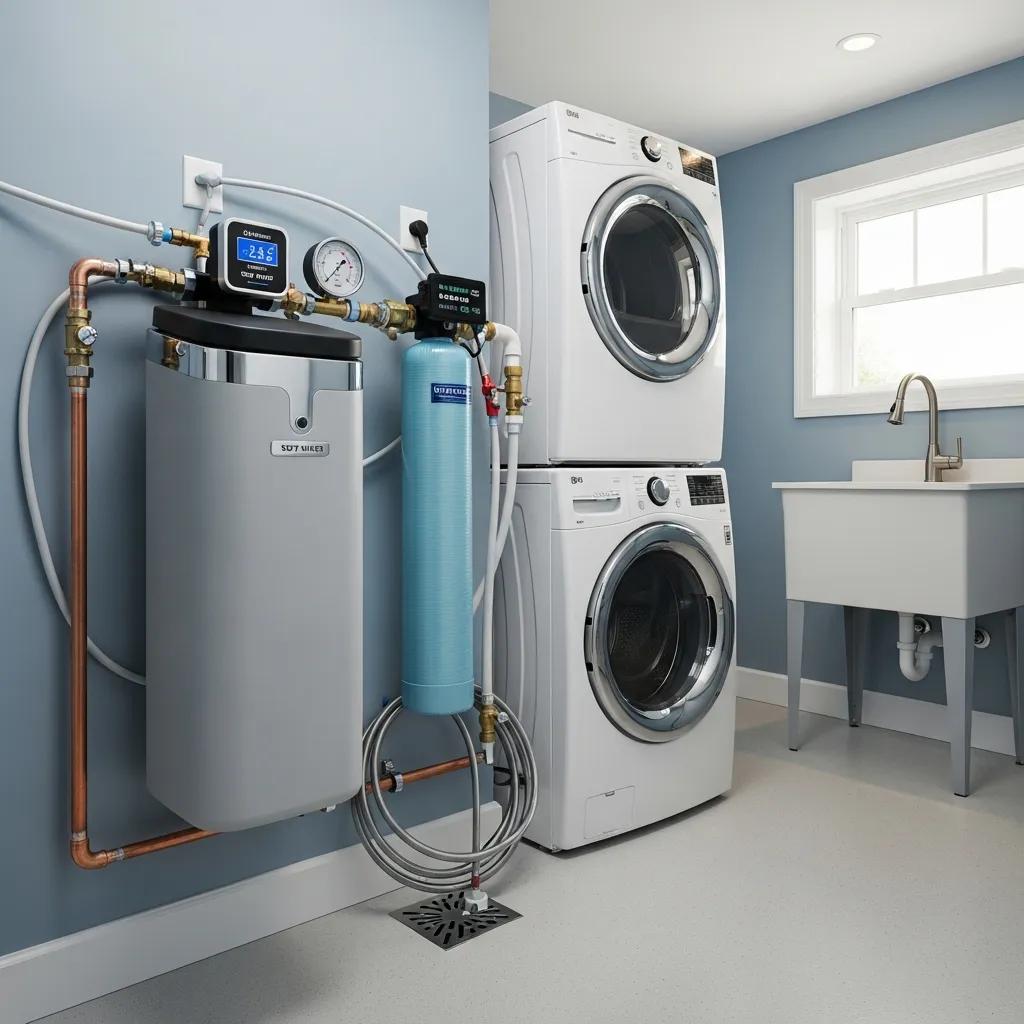
Why Water Softeners Matter in Michigan — Benefits & Professional Installation
Michigan water often carries dissolved minerals — mainly calcium and magnesium — that leave scale, dull fabrics, and make appliances work harder. This guide explains what hard water is, how it wears on plumbing and appliances, and why the right water softener, installed correctly, is usually the most cost‑effective fix. You’ll get a simple explanation of how softeners work, the common types and likely installation costs, routine maintenance tips, and when it makes sense to call a pro. We’ve included practical troubleshooting steps, comparison tables, and a clear path to schedule a free hardness test and on‑site estimate. Read on to compare solutions and pick the whole‑house option that fits your home.
What Is Hard Water and How Does It Affect Your Home?
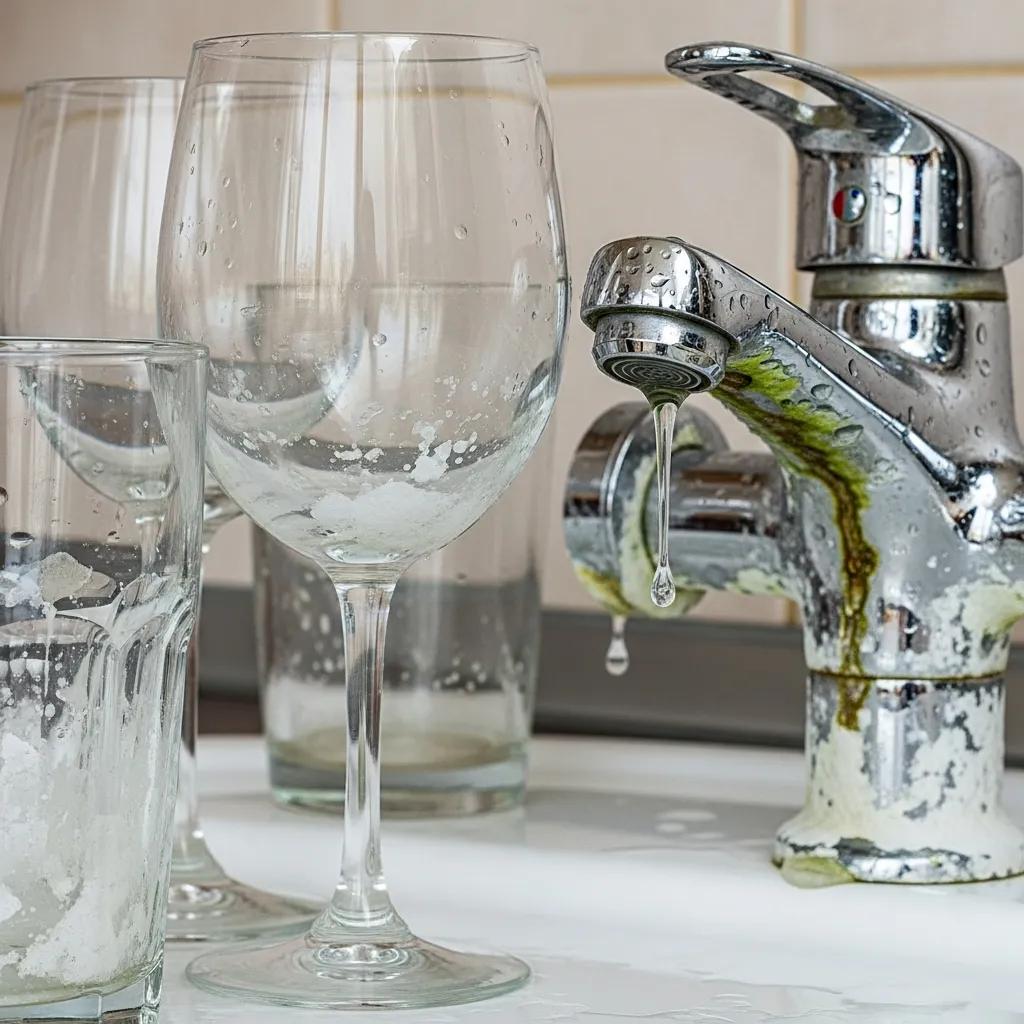
Hard water contains higher levels of calcium and magnesium. When the water’s heated or mixed with soap, those minerals form limescale and soap scum. That changes how soap behaves (less lather, more residue) and leaves crunchy deposits inside pipes and on heating elements. The result is lower heat transfer, higher energy bills, and more repairs for water heaters, dishwashers, and laundry machines. Knowing how this happens makes it clearer why a well‑chosen water conditioning system both improves cleaning and protects your plumbing from long‑term damage.
Here are common signs that hard water is affecting your home:
- White, chalky spots on glasses, faucets, or showerheads.
- Soap and detergent don’t lather well, so you use more than usual.
- Appliances seem less efficient — longer cycles, less hot water, or more frequent repairs.
Spotting these issues early helps you decide whether to get a hardness test and consider a water softener.
What Minerals Cause Hard Water and What Are Their Effects?
Calcium and magnesium are the main culprits. Measured in grains per gallon (gpg) or parts per million (ppm), hardness tells you how likely scale is to form. Calcium often shows up as calcium carbonate, which builds hard crusts on surfaces and inside tanks. Magnesium can speed up deposit formation and make cleaning less effective. Knowing your exact gpg or ppm from a hardness test helps us size the system and choose the right resin or conditioning method so you get the most value and longer appliance life.
In practical terms, these minerals reduce heat transfer in water heaters, cause spots on dishes, and make fabrics feel rough after washing. A test gives the numbers we need to recommend the right solution for your home.
How Does Hard Water Damage Plumbing and Appliances?
Limescale builds up in layers on surfaces where water is heated or concentrated. That narrows pipes and insulates heat exchangers, so water heaters run longer and use more energy to reach temperature. In dishwashers and washers, scale damages seals and valves and reduces detergent performance, which leads to more service calls and earlier replacements. Over time, heavy scale can cut flow rates and even require expensive pipe repairs or replacement.
Stopping scale with a proper water conditioning system preserves heat transfer, lowers energy use, and reduces the chance of repeat repairs. A professional assessment can show where scale forms in your system and what solution will work best.
What Are the Key Benefits of Installing a Water Softener?

The right water softener cuts mineral damage, improves appliance efficiency, lowers cleaning costs, and makes daily life nicer. Soft water stops scale from building on heating elements and pipes, so appliances heat faster and use less energy. You’ll notice cleaner dishes, brighter laundry, and softer skin and hair because soaps rinse away properly. When you quantify these benefits, it’s easier to compare payback timelines against installation costs and pick the right system for your home.
Typical, measurable benefits include:
- Longer appliance life: Less scale means water heaters, dishwashers, and washers last longer.
- Lower energy bills: Cleaner heating elements improve efficiency and reduce energy use.
- Better cleaning: Glassware, dishes, and laundry come out cleaner using less detergent.
- Softer skin and shinier hair: Soap rinses better, so skin and hair feel better after showering.
- Fewer plumbing repairs: Reduced clogs and corrosion cut long‑term maintenance costs.
These benefits deliver immediate improvements and long‑term savings, especially in homes with medium to high hardness.
Below is a simple appliance impact map showing where hard water hits hardest and approximate yearly savings after installing a softener. Use it to weigh operational gains against the cost of a whole‑house installation.
| Appliance | Impact from Hard Water | Typical Annual Savings After Softening |
|---|---|---|
| Water heater | Lower heat transfer, sediment buildup, shorter service life | $80–$200 in energy and repair costs |
| Dishwasher | Spotting, residue on glassware, valve wear | $30–$90 in detergent and repair savings |
| Washing machine | Scale on heating elements and drum, dingy laundry | $40–$120 from less detergent use and fewer repairs |
| Faucets/fixtures | Mineral deposits, reduced flow | $20–$60 in maintenance and delayed replacements |
This simple mapping shows how removing minerals can create measurable savings and supports the case for a whole‑house water softener.
How Does a Water Softener Extend Appliance Lifespan and Improve Efficiency?
Salt‑based ion exchange softeners swap calcium and magnesium for sodium or potassium ions. That prevents scale and keeps heating elements clean so water heaters reach temperature faster using less energy. In dishwashers and washers, soft water reduces soap scum and residue that strain pumps and seals, cutting breakdowns and extending service intervals. When a system is sized correctly — matching resin capacity and regeneration frequency to household use — homeowners see energy savings and delayed equipment replacement that usually pay back the investment over time.
Correct sizing and setup are key to getting the promised efficiency and lifespan gains.
In What Ways Does Soft Water Improve Skin, Hair, and Cleaning Results?
Soft water changes how soap and natural oils interact so surfactants rinse away cleanly. Shampoos and soaps lather easier and rinse better, leaving less residue that can dry skin or dull hair — which usually feels softer and looks shinier. Laundry comes out brighter and less stiff because detergents work properly and rinse completely. In the kitchen, glassware and dishes stay clearer, reducing the need for repeat cycles and extra detergent.
These everyday improvements are immediate and highlight why treating water at the point of entry for whole‑house softening delivers the best results.
How Does Professional Water Softener Installation Work?
A professional install starts with a water hardness test and a review of household needs, then moves through site prep, plumbing tie‑in, programming, and testing to ensure everything runs reliably. Our licensed technicians check peak flow, incoming hardness, and available space to recommend a salt‑based or salt‑free system that fits your usage. During the job we isolate the main line, install a bypass valve and proper drain connections, and set the control valve’s regeneration schedule. We finish by commissioning the unit, showing you how it works, and documenting maintenance steps so the system stays healthy.
Hiring a pro also ensures compliance with local plumbing codes and avoids common DIY mistakes — which is why many homeowners choose a licensed install over a retrofit they try themselves.
What Are the Steps Involved in Installing a Water Softener System?
A typical professional installation follows clear, quality‑focused steps to protect system performance and longevity. First we test hardness and assess capacity to pick the right size and regeneration settings. Next we prepare the site — add a bypass, secure the mounting, and make proper drain and overflow connections. Then we connect the softener to the main line, program the control head, and run a service cycle to confirm the water is soft. Finally, we walk you through salt refills, maintenance intervals, and simple troubleshooting before we leave.
- Assess and test hardness: Measure gpg/ppm and determine household demand.
- Select and size system: Choose resin capacity and regeneration type to match use.
- Install plumbing connections: Add bypass, drain, and secure piping per code.
- Program and test: Set the control valve, run regeneration, and confirm softness.
These steps create a transparent, reliable installation process so your system performs as promised.
Why Choose Licensed Plumbers for Water Softener Installation?
Licensed plumbers bring safety, code knowledge, and warranty‑friendly practices that protect you and your equipment. A licensed, insured tech knows local permit rules and plumbing standards, preventing mistakes that could void warranties or cause leaks. Professionals size systems correctly, recommend the right resin, and handle complex retrofits like adding bypasses or tying into water heaters. If you want dependable installation and ongoing support, a licensed provider lowers long‑term risk and helps you keep the savings your softener promises.
Frost and Kretsch Plumbing offers licensed and insured technicians, 24/7 emergency service, clear pricing, and a 100% satisfaction guarantee. To set up a free hardness test and installation estimate, call Frost and Kretsch Plumbing at (586) 675-0097 and ask for Dave Kretsch or our service team. We serve Macomb, Oakland, and Wayne Counties and bring local know‑how to every job.
What Types of Water Softeners Are Available and How Do Costs Vary?
There are several common approaches to treating hard water, each with different mechanics, upkeep, and price points. Salt‑based ion‑exchange softeners remove hardness ions, salt‑free conditioners (scale inhibitors or template‑assisted systems) limit deposit adhesion without removing minerals, and dual‑tank systems give continuous soft water while one tank regenerates. Salt‑based systems deliver true softening, while salt‑free units reduce scale without changing dissolved mineral content. The right choice depends on your hardness level, household flow needs, and preferences about salt use or brine discharge.
Below is a quick comparison of typical system types and what they cost.
| System Type | Characteristic | Typical Cost Range | Best Use Case |
|---|---|---|---|
| Salt-based (ion exchange) | Removes hardness ions through resin and regeneration | $1,000–$3,000 | Medium–high hardness homes needing true softening |
| Salt-free conditioner | Limits scale formation without removing minerals | $800–$2,000 | Moderate hardness or where brine discharge is restricted |
| Dual-tank softener | Provides continuous soft water; one tank regenerates while the other runs | $2,000–$4,000 | High-demand households or light commercial use |
This comparison highlights differences in effectiveness, maintenance, and upfront cost: salt‑based units work best on very hard water, while salt‑free systems lower scale without adding sodium to your water.
What Are the Differences Between Salt-Based and Salt-Free Water Softeners?
Salt‑based softeners use ion exchange to swap hardness minerals for sodium or potassium, delivering true softened water that prevents scale and improves cleaning. They’re proven for high‑hardness situations but require periodic salt and produce brine during regeneration. Salt‑free conditioners use catalytic or template‑assisted methods to change how minerals form so they don’t stick as easily; they need less maintenance and create no brine, but they don’t remove dissolved minerals and can be less effective at very high hardness. If salt is a concern, potassium chloride can replace sodium in many ion‑exchange systems. Choosing between them depends on hardness, environmental concerns, and how much maintenance you want to handle.
Your best option depends on measured hardness and personal priorities around salt and maintenance.
What Is the Typical Cost Range for Water Softener Installation in Michigan?
In Michigan, residential installations usually run from about $1,000 to $3,000. Final price depends on the system type, how complex the install is, and any plumbing work required. Equipment makes up much of the cost, while labor varies with site access, extra piping, or the need to relocate the main line. Things that raise the price include adding a dedicated drain, moving plumbing to fit the unit, or upgrading electrical or overflow protections. We recommend an on‑site assessment and a clear written estimate so you see equipment and labor costs separately.
Compare quotes and ask installers to explain labor versus equipment so there are no surprises and the chosen system fits your long‑term needs.
How to Maintain and Troubleshoot Your Water Softener System?
Regular care keeps your softener working well and avoids the common issues that cut capacity or cause salty water. Basic homeowner tasks are checking and refilling salt in the brine tank, tapping the tank to break up salt bridges, and inspecting any pre‑filters. A yearly professional tune‑up usually includes resin checks, control valve cleaning, and a performance review to confirm proper regeneration and soft water delivery. Watch for early signs like the return of spotting or a change in taste — catching problems early keeps repairs small.
Below is a simple maintenance table listing key components, routine tasks, and how often to do them.
| Component | Typical Task | Recommended Frequency |
|---|---|---|
| Brine tank | Check salt level and refill; inspect for bridging | Monthly to quarterly |
| Resin bed | Professional cleaning or replacement if fouled | Every 5–10 years as needed |
| Control valve | Inspect programming and run diagnostics | Annually or during tune-up |
| Pre-filter | Replace cartridges to protect resin | Every 3–12 months based on sediment |
What Are Common Maintenance Tasks for Water Softeners?
Owners can handle several routine tasks to keep systems reliable and avoid service calls. Monitor and top up the brine tank before it’s empty, tap the tank if salt bridges form, and clean the brine tank yearly to prevent sediment that can foul resin. If you have a whole‑house sediment filter, change cartridges on schedule to protect the resin. An annual professional check ensures control valves are calibrated and regeneration timing matches current usage, catching small issues before they become big ones.
Doing this simple upkeep lowers the chance of problems like weak softening or unwanted salty water.
How Can You Identify and Fix Common Water Softener Issues?
If hard water returns, water tastes salty, or the unit won’t regenerate, try a few basic checks first. Verify the salt level and look for salt bridges, confirm the control valve is set to the correct hardness and schedule, and check the drain line for clogs or kinks in the brine line. Many simple blockages or misconfigurations are user‑fixable. Persistent issues like resin contamination, valve failure, or electrical faults need a licensed technician so warranties stay valid and repairs meet code.
These quick checks help you tell whether a problem is a simple fix or needs professional service.
Where Can You Get Expert Water Softener Services in Macomb, Oakland, and Wayne Counties?
Local licensed plumbers offer the fastest path from hardness testing to a reliable installation and ongoing care. Homeowners in Macomb, Oakland, and Wayne Counties can work with family‑owned providers who combine local knowledge with emergency availability. A local company makes it simple to schedule a free hardness test, understands regional water variations, and is nearby when maintenance or repairs are needed. Good providers give clear pricing, explain equipment choices, and back their work with satisfaction guarantees so you feel confident long term.
Here’s what you should expect from a quality local water softener service:
- Licensed and insured technicians who handle permits and code compliance.
- 24/7 emergency service for urgent plumbing or softener issues.
- Transparent pricing and a 100% satisfaction guarantee to protect homeowners.
Those features give homeowners the practical support they need for both installation and ongoing maintenance. Below we explain why Frost and Kretsch Plumbing is a solid local choice.
What Makes Frost and Kretsch Plumbing the Trusted Choice for Water Softener Installation?
Frost and Kretsch Plumbing is family‑owned and serves Macomb, Oakland, and Wayne Counties with licensed, insured technicians, round‑the‑clock emergency response, clear pricing, and a 100% satisfaction guarantee. That means less risk for you — licensed pros size systems properly, handle plumbing integration, and commission units to perform as expected. Our local technicians are familiar with regional hardness patterns and common installation challenges. For homeowners who want straightforward terms and responsive follow‑up, a local, family‑run company makes communication and service easier.
Our local experience and service guarantees help turn the recommendations in this guide into a practical installation plan for Michigan homes.
How to Schedule a Free Water Hardness Test and Installation Estimate?
Scheduling a free hardness test and estimate is easy: call Frost and Kretsch Plumbing at (586) 675-0097, request a free hardness assessment, and pick a convenient time for an on‑site visit. During the visit, a technician will run a hardness test, check plumbing access and flow needs, and provide a clear written estimate that separates equipment and labor. Expect an explanation of recommended system types based on your measured hardness, a rundown of maintenance needs, and confirmation that we cover Macomb, Oakland, and Wayne Counties. For quick service, ask for Dave Kretsch or our service team when you call.
Frequently Asked Questions
What are the signs that indicate I need a water softener?
Look for mineral deposits on faucets and glassware, reduced soap lather, or dull laundry. Frequent appliance issues — longer dishwasher cycles or less hot water from the water heater — are also red flags. If you see these signs, schedule a hardness test to confirm and discuss softener options.
How often should I maintain my water softener?
Check and top up the brine tank monthly, watch for salt bridges, and clean the brine tank yearly. Replace pre‑filters as needed and schedule a professional tune‑up at least once a year to inspect resin and the control valve. Regular care helps avoid problems and extends system life.
Can I install a water softener myself, or should I hire a professional?
Some handy homeowners install softeners themselves, but hiring a licensed plumber is usually the safer choice. Pros ensure code compliance, correct sizing, and proper plumbing connections — and they protect your warranty. Professional installs save time and reduce the risk of leaks or mistakes.
What should I do if my water softener is not working properly?
First check the salt level and look for salt bridges. Confirm the control valve settings and regeneration schedule. If the unit won’t regenerate, inspect the drain and brine lines for clogs or kinks. If those steps don’t fix it, call a licensed technician to diagnose issues like resin fouling or valve faults.
Are there any environmental concerns with using a water softener?
Salt‑based systems produce brine discharge, which can raise sodium levels in wastewater. If that’s a concern, consider a salt‑free conditioner or a potassium chloride option for ion‑exchange systems. A professional can help balance performance needs with environmental considerations.
How can I choose the right type of water softener for my home?
Start with a hardness test, then consider your flow rate and household needs. Salt‑based ion‑exchange is best for high hardness; salt‑free options can work for moderate hardness or where brine is restricted. Factor in maintenance, cost, and any dietary concerns about sodium. A licensed plumber can recommend the best fit for your home.
Conclusion
Installing a water softener can make daily life better and protect your home by reducing mineral buildup, extending appliance life, and delivering cleaner, softer water. Professional installation ensures the system is sized and set up for your household so you get the expected performance and savings. Ready to see what soft water would do for your home? Schedule a free hardness test today and let local experts guide you to the right solution.