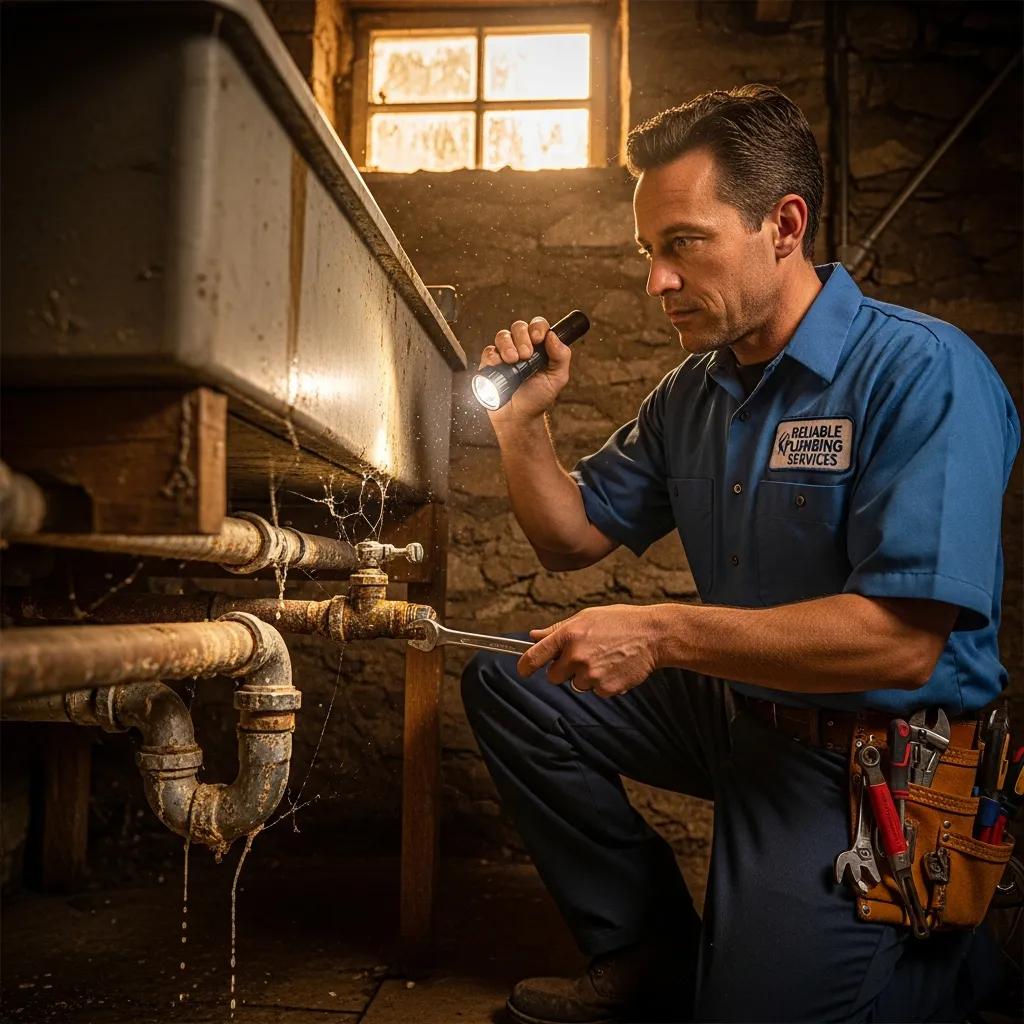
Whole-house Repiping for Older Homes — Cost, Materials, and Trusted Local Solutions
Older homes often need a full repipe when original plumbing no longer delivers safe, reliable water or starts causing repeated leaks and damage. Whole-house repiping replaces the home’s internal supply lines — from the service connection to each fixture — to restore water quality, pressure, and overall reliability. A complete repipe usually means fewer leaks, clearer tasting water, and a lower risk of sudden failures that trigger costly emergency repairs. This guide walks you through how to spot the signs that repiping is needed, what affects cost, material choices (copper vs. PEX), a typical project timeline, and why hiring a local, experienced contractor matters. For a focused, no-obligation evaluation, Frost and Kretsch Plumbing offers free estimates — call us at 586-675-0097 to schedule an on-site inspection. Read on to learn how to diagnose problems, compare materials, plan the job, and set your older home up for long-term plumbing reliability.
What Are the Signs That Your Older Home Needs Whole House Repiping?

Full repiping becomes necessary when several indicators point to system-wide pipe failure rather than an isolated issue. Catching problems early can prevent property damage and health risks. Common signs include discolored water, consistently low pressure, repeated leaks in different areas, metallic tastes or staining, and the presence of galvanized or lead piping. These symptoms usually signal internal corrosion, scale buildup, or deteriorating metal pipes that won’t be solved by patch repairs alone. Knowing these signs helps you decide when to get a professional diagnostic inspection and when a full repipe is the smarter long-term choice.
Here are the most actionable signs to watch for, with short explanations to help you diagnose quickly.
- Low water pressure throughout the house: When several fixtures lose pressure, pipe interiors are likely narrowed by corrosion or mineral buildup.
- Discolored or rusty water: Brown or red water and staining point to internal corrosion or iron shedding from old galvanized lines.
- Metallic taste or odor in water: A persistent metallic flavor or smell suggests pipe degradation or contaminants leaching into the water.
- Repeated leaks or patches: Frequent repairs in multiple areas usually signal a systemic problem, not a one-off failure.
- Known old materials: If your home still has galvanized or lead supply lines, full replacement is strongly recommended for safety and performance.
These signs help you move from temporary fixes to a planned repipe. A professional inspection — including pressure tests and material assessment — will confirm whether the issue needs a targeted repair or a full replacement.
How Does Low Water Pressure Indicate Old Pipe Failure?
Low water pressure at multiple faucets often means the pipes have narrowed inside from corrosion, scale, or partial collapse. Corrosion builds up on the inside of metal pipes, shrinking the effective bore and reducing flow across the system. You can do a simple multi-fixture test — run several taps at once — to see whether the problem is localized or system-wide; system-wide loss points to pipe degradation. If pressure readings are inconsistent or stay low, schedule a licensed inspection with pressure gauges and a visual check to determine whether repiping is the most reliable fix.
What Are the Common Symptoms of Corroded or Galvanized Pipes?
Corroded or galvanized pipes typically show up as rusty water, stained fixtures, and rust flakes in aerators and filters. Repeated pinhole leaks and frequent patchwork mean corrosion is weakening pipe walls in multiple spots. You may see surface rust in basements or crawlspaces, but internal deterioration often happens first. For older Michigan homes that used galvanized steel or early metal alloys, these signs should prompt early consideration of a whole-house repipe to prevent bigger failures and restore clear, safe water.
How Much Does Whole House Repiping Cost for Older Homes?
Repiping costs vary widely because they depend on project-specific factors, not a single fixed price. Key cost drivers include the pipe material (copper vs. PEX), the home’s size and layout, how accessible the piping runs are (finished walls, crawlspaces, or slab foundations), the number of fixture reconnections, and local permit and inspection fees. Labor jumps when pipes run behind finished walls or under slabs because of extra demolition and restoration. Ask for itemized estimates that list material, labor, permit, and restoration costs so you can compare bids fairly and avoid surprises.
Below is a clear breakdown of typical cost components and how each affects the total price.
This table highlights the main cost drivers so homeowners can compare quotes with confidence.
| Project Component | What It Covers | How It Impacts Cost |
|---|---|---|
| Material Choice | Pipe type and fittings (copper, PEX) | Sets baseline material cost and expected service life |
| Labor & Access | Removing old pipes and installing new ones | Higher when running through finished walls, slabs, or complex layouts |
| Permits & Inspections | Local code approvals and final sign-off | Adds fixed fees and can affect scheduling |
| Fixture Connections | Reconnecting sinks, tubs, appliances | Extra labor per fixture increases the overall total |
| Restoration | Wall repair, paint, flooring patching | Varies with the extent of finished-surface disruption |
What Factors Influence the Cost of Residential Repiping Services?
Several variables combine to determine repiping cost, and they scale differently depending on your home. Material choice is a major factor: some materials cost more upfront but last longer, while others save money now but may need more fittings. Access complexity — finished walls, concrete slabs, or tight crawlspaces — multiplies labor and restoration time. Permit requirements differ by city and can add fees and delays, and the number of fixtures or specialty connections adds labor per item. Review each line in a contractor’s estimate so you understand the trade-offs between price, disruption, and long-term performance.
Are There Financing Options or Grants Available for Pipe Replacement?
Financing and grant options vary by location and program. Some state and municipal programs fund lead service line replacement or subsidize costs for qualifying households, and federal infrastructure initiatives sometimes include residential service lines. Home improvement loans or contractor-coordinated financing can spread the cost without draining savings. Ask your contractor about local grant programs and financing options, and check environmental or public-health resources in your area to see if you qualify for assistance.
Which Pipe Materials Are Best for Repiping Older Homes: Copper vs. PEX?
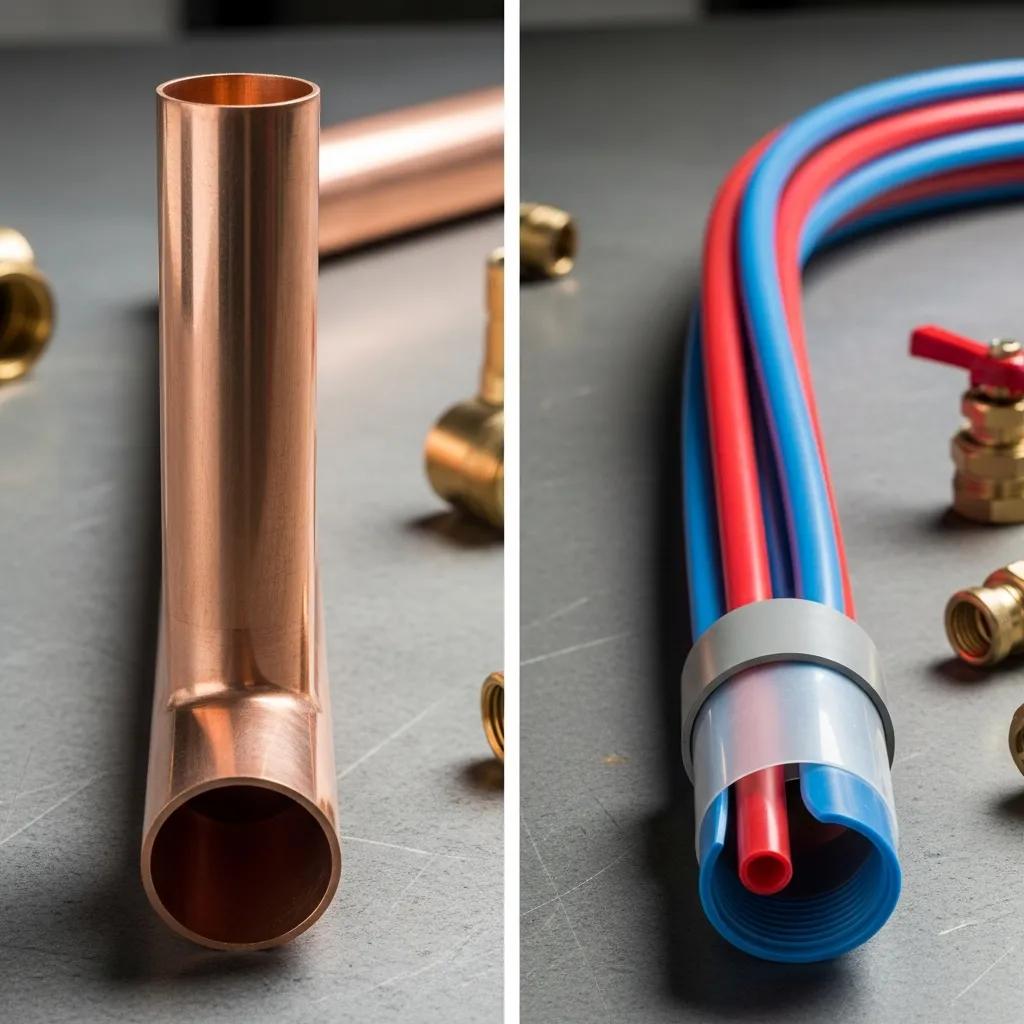
Choosing pipe material is a balance of durability, cost, installation complexity, and local water chemistry. Copper and PEX are the most common modern choices. Copper is durable and proven in many climates; PEX is flexible, resists corrosion, and is faster to install in retrofit work. The best choice depends on your existing system, whether you prioritize longevity or minimal disruption, and your local water conditions. The table below summarizes key attributes to help compare copper and PEX, plus notes on galvanized or lead pipe replacement.
The comparison below lays out the main attributes for each material so you can decide which fits your needs.
| Material | Attribute | Value |
|---|---|---|
| Copper | Durability | High; long service life when water chemistry is compatible |
| Copper | Cost | Higher material and labor costs compared with flexible systems |
| PEX | Flexibility | High; easier to route through finished structures |
| PEX | Freeze Resistance | Good when installed with proper strapping and insulation |
| Galvanized/Lead | Replacement Needs | High priority: replace for corrosion and health reasons |
What Are the Benefits and Drawbacks of Copper Repiping in Michigan?
Copper offers a proven, long-lasting solution and is recyclable, which many homeowners value. In Michigan’s climate, copper performs well overall but certain water chemistries can speed pinhole corrosion in rare cases — a water test and local experience help assess that risk. Copper installs require more skilled labor and usually cost more upfront than flexible options, but many homeowners accept the higher initial cost for copper’s track record and resale appeal. Talk with a licensed plumber to weigh upfront cost against long-term value for your home.
Why Is PEX Plumbing Installation Popular for Whole House Repiping?
PEX has become popular because it’s flexible, resists corrosion, and often installs faster with fewer fittings — which reduces potential leak points and restoration work. That makes it a strong choice for retrofits in older homes where minimizing demolition is a priority. PEX must be protected from UV light and installed with compatible fittings and approved methods to maintain warranties. For many older-house repipes, PEX hits the sweet spot between cost, corrosion resistance, and quicker completion, which means less time without water and less disruption overall.
What Is the Step-by-Step Process for Whole House Repiping Services?
A clear, phased process sets homeowner expectations and reduces surprises. Typical projects follow inspection, planning and permitting, installation, testing, and final sign-off. The initial inspection identifies pipe materials, access points, and trouble spots and leads to a written plan and itemized estimate. Permitting and scheduling ensure code compliance and coordinate inspections. Installation follows the approved plan and ends with pressure testing, fixture reconnections, cleanup, and a final walkthrough to confirm system integrity and your satisfaction.
Below is a project timeline to show typical phase durations and homeowner impact so you can plan ahead.
| Phase | Typical Duration | Homeowner Impact |
|---|---|---|
| Inspection & Estimate | 1 day to a week | Minimal disruption; assessment and written quote |
| Permitting & Scheduling | 1–3 weeks (varies) | Administrative time; permits may affect start date |
| Main Installation | Several days to 2 weeks | Active work; access to certain areas may be limited |
| Testing & Restoration | 1–3 days | Final pressure testing, cleanup, and minor finish repairs |
How Does Frost and Kretsch Plumbing Conduct Initial Inspections and Planning?
We start with a licensed technician who does a visual inspection and targeted diagnostic checks to identify pipe materials, condition, and access constraints. That usually includes pressure testing, spotting galvanized or lead lines, and mapping routing options that minimize finished-surface disruption. After the assessment, we provide a written estimate with recommended materials and a plan for permits and inspections. This process gives you clear scope, timing, and compliance details so you can make informed choices about materials and restoration.
What Should Homeowners Expect During Installation and Cleanup?
Expect a structured daily plan, some noise and dust in work areas, and temporary water shutoffs for safety and testing. Our crews use containment and cleanup protocols to limit disruption and try to use existing access routes to reduce time in finished spaces. After installing the new piping we run pressure tests, reconnect fixtures, and perform a final walkthrough to show system performance and hand over warranty paperwork and care tips. Clear communication about scheduling and access helps keep the process smooth and the handoff clean.
Why Choose Frost and Kretsch Plumbing for Your Old House Pipe Replacement?
When picking a contractor for whole-house repiping, prioritize licensing, insurance, clear pricing, and local code knowledge — the things that protect you during a big project. Frost and Kretsch Plumbing offers licensed and insured technicians, handles permit coordination and inspections, and provides transparent estimates that break down materials and labor. We focus on clear communication from start to finish and serve Macomb, Oakland, and Wayne counties — so we know local permitting and common older-home plumbing challenges. That local experience helps projects move smoothly from inspection to final sign-off.
Here are the main ways we stand out so you can compare providers quickly.
- Licensed and insured technicians who meet local codes and reduce homeowner risk.
- 24/7 emergency service so you get fast help if something urgent pops up during or after the job.
- Transparent pricing with upfront estimates that show material, labor, permit, and restoration costs.
- 100% satisfaction guarantee — we fix it right or make it right.
- Local expertise across Macomb, Oakland, and Wayne Counties for faster permitting and dependable inspections.
How Do Licensed and Insured Technicians Ensure Quality and Satisfaction?
Licensed and insured technicians lower your risk by proving their training and protecting you against accidental damage or liability. Licensing shows they meet training and code standards; insurance covers on-the-job incidents. Pairing these protections with warranties and final inspections reduces rework and gives you a clear path to resolution if issues arise. The result is safer installations, fewer surprises, and greater peace of mind.
What Local Expertise Does Frost and Kretsch Offer in Macomb, Oakland, and Wayne Counties?
Local expertise means we understand municipal permitting timelines, inspection checkpoints, and the common plumbing problems found in older Michigan homes — including galvanized and lead piping. Our regional focus helps speed permit submissions, anticipate inspection needs, and coordinate schedules to reduce homeowner downtime. Our local presence also supports faster emergency response when urgent repairs are required. Homeowners in Macomb, Oakland, and Wayne Counties benefit from a contractor who knows both the technical work and the local rules.
Frequently Asked Questions
What are the long-term benefits of whole house repiping?
Long-term benefits include better water quality, more consistent pressure, and far fewer leaks or emergency repairs. Replacing old, corroded pipes gives you cleaner, safer drinking water and a more dependable system. Repiping can also boost your home’s value — buyers prefer updated plumbing — and it usually lowers maintenance costs over time.
How can homeowners prepare for a repiping project?
Prepare by clearing work areas and removing furniture or personal items near plumbing zones. Talk with your contractor about specific concerns and plan for temporary water shutoffs. Scheduling the project at a convenient time and following the crew’s staging instructions will make the process smoother and less stressful.
What should I do if I suspect my home needs repiping?
If you notice discolored water, low pressure, or frequent leaks, document those symptoms and call a licensed plumber for an inspection. A qualified technician will assess pipe condition and recommend whether a full repipe is needed. Early action helps avoid bigger damage and higher repair costs down the road.
Can I choose between different materials for repiping?
Yes. Copper and PEX are the most common choices. Copper is durable and long-lasting; PEX is flexible, resists corrosion, and often installs faster with less disruption. Your decision should consider budget, local water quality, and your home’s layout. A licensed plumber can walk you through the pros and cons for your situation.
What are the potential health risks of old plumbing systems?
Old systems — especially those with galvanized steel or lead pipes — can leach harmful metals into drinking water. Lead exposure is particularly dangerous for children and pregnant women and can impact development and health. Replacing unsafe piping removes these risks and protects your family’s water supply.
How can I find a reliable contractor for repiping services?
Start with recommendations from friends, family, or neighbors and check online reviews. Confirm the contractor is licensed, insured, and experienced with older-home repipes. Ask for detailed estimates, inquire about materials and warranties, and choose a company that communicates clearly and prioritizes customer satisfaction.
How Long Does a Whole House Repiping Project Typically Take?
Project length depends on home size, access (finished walls, crawlspaces, or slab), and material choice. Smaller homes with crawlspace access and PEX installs typically finish faster because they require fewer fittings and less demolition. Larger homes or jobs that cut through finished walls or slabs take longer because of extra labor and restoration. To avoid delays, plan inspections ahead and prepare work areas as your contractor advises; good staging and communication often shorten the overall timeline.
Are Permits and Inspections Required for Repiping Older Homes?
Yes — permits and inspections are commonly required to ensure the work meets current plumbing and safety codes. Requirements vary by jurisdiction, but licensed contractors usually handle permit applications and inspection scheduling. Final sign-off from the inspector validates the installation and is often needed for future property disclosures. Letting a licensed provider coordinate permits reduces administrative hassle and helps keep the project on track.
Get your free whole-house repiping estimate today — call Frost and Kretsch Plumbing at 586-675-0097 to schedule an on-site evaluation and written quote. Our licensed team will assess your older-home plumbing, review material choices, and outline permit coordination so you can move forward with confidence.
Conclusion
Whole-house repiping is often the smartest move for older homes. It improves water quality, restores pressure, and cuts the chance of leaks and emergency repairs. Knowing the signs and cost drivers helps you make an informed decision, and hiring a licensed, local contractor like Frost and Kretsch Plumbing helps the job go smoothly and meet code. Call us at 586-675-0097 for your free estimate and take the first step toward a more reliable plumbing system.