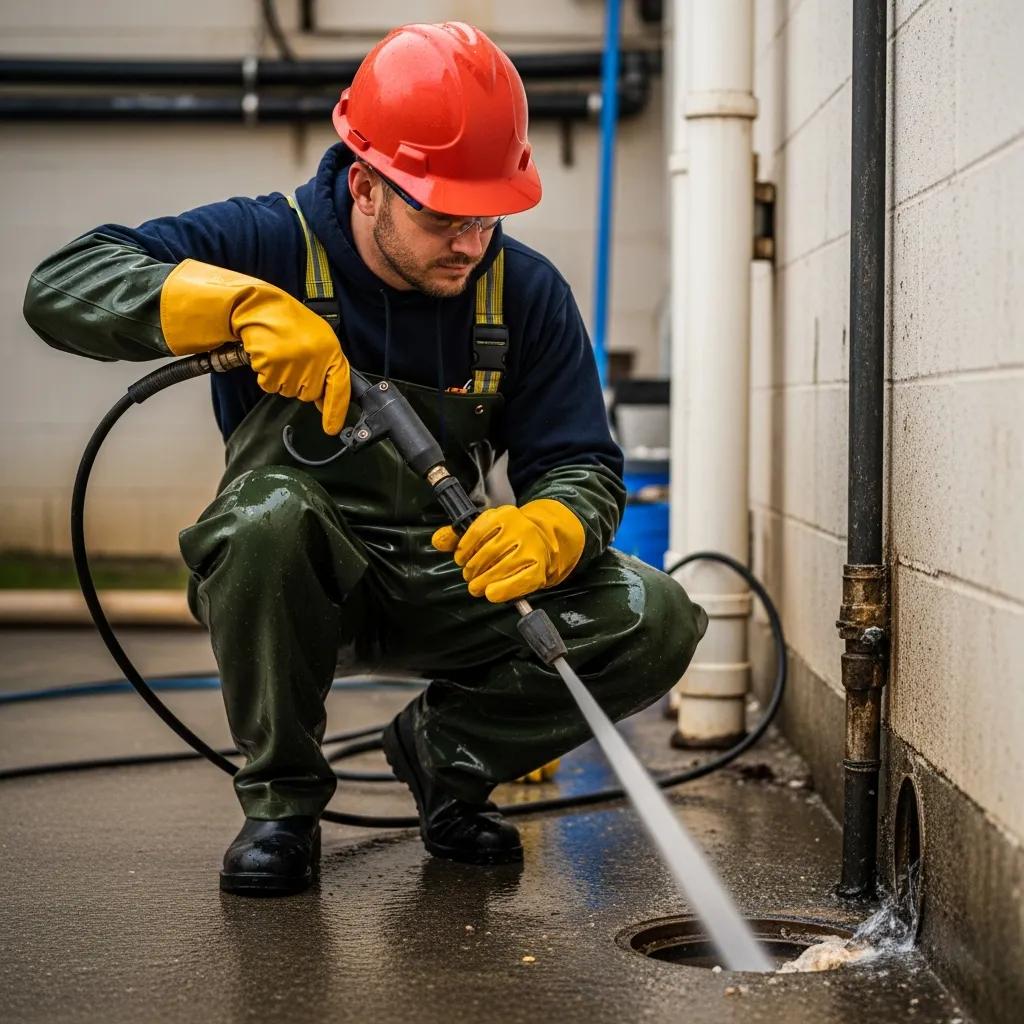
Unlocking the Power of Hydro Jetting for Stubborn Drain Clogs
Hydro jetting uses high‑pressure water to scour the inside of pipes and clear stubborn clogs without chemicals. This guide explains what hydro jetting (also called drain jetting or sewer jetting) does, when it’s better than snaking or chemical cleaners, which types of clogs it handles, and how property owners in Macomb, Oakland, and Wayne Counties can schedule service. Frost and Kretsch Plumbing offers local hydro jetting with modern jetters and sewer camera inspection as part of a diagnostic‑first workflow — call us if you notice recurring backups or slow drains. Below you’ll find how the equipment and nozzles work, safety tips for different pipe materials, commercial uses for restaurants and industrial sites, and the main cost factors for hydro jetting in Michigan. The sections that follow cover how it works, the benefits, common problems and solutions, commercial options, pricing drivers with a transparent estimate process, and a step‑by‑step prep and scheduling checklist.
What Is Hydro Jetting and How Does It Work?
Hydro jetting is a drain‑cleaning method that sends high‑pressure water through a specially designed nozzle to cut, scour, and flush away obstructions from pipe walls, restoring full flow. The process uses kinetic energy and turbulence: pressurized water breaks up soft build‑up like grease, forward‑facing cutting nozzles slice through fibrous material such as roots, and rearward jets create a flushing action that pushes debris away. The result is cleaner pipe interiors and a lower chance of immediate re‑clogging compared with simple punch‑through techniques. Below we break down how pressure, flow, and nozzle choice affect performance during a hydro jetting service.
How Does High Pressure Water Jet Drain Cleaning Remove Clogs?
High‑pressure jetting clears clogs by combining shear forces and directed cutting based on pressure (PSI), flow (GPM), and nozzle design. Cutting nozzles concentrate energy into a narrow stream to sever roots, while rotating or pencil jets scour grease and mineral deposits from pipe walls; the high flow then carries dislodged material downstream. For example, grease films are sheared and emulsified, then flushed out, while roots are mechanically cut and expelled. Technicians confirm success with sewer camera inspection before and after jetting to make sure the blockage is fully removed and to check for any structural problems.
What Equipment Is Used in Advanced Hydro Jetting Services?
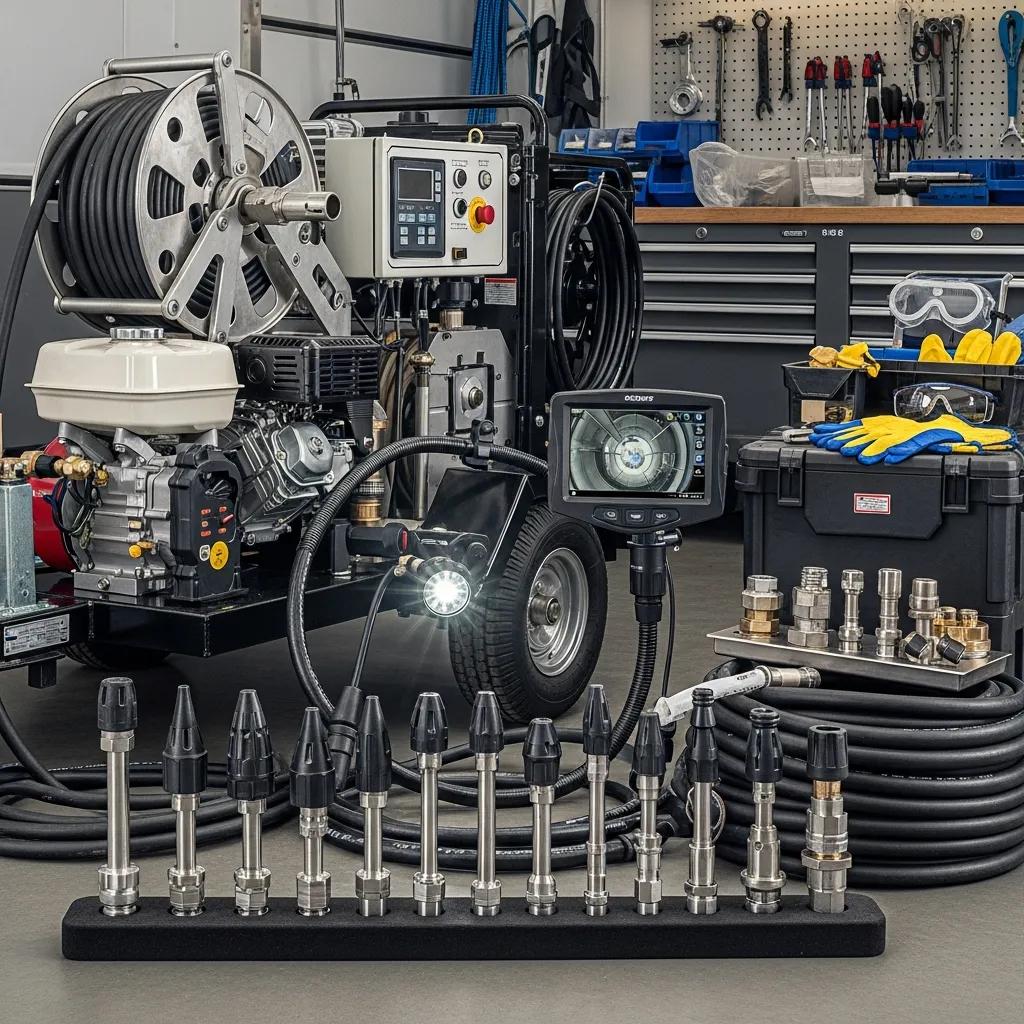
Advanced hydro jetting uses a few essential components: a high‑pressure water jetter (pump and hose reel), jetting hose, a variety of nozzle heads, and a sewer camera for pre‑ and post‑service inspection. Truck‑ or trailer‑mounted jetters supply the PSI and GPM combinations technicians need and let them match nozzle selection to pipe diameter and clog type. Typical nozzle options include forward‑cutting heads for roots, rotating scouring heads for scale and grease, and high‑flow flushing nozzles for loose debris. Pairing camera inspections with jetting helps technicians set safe pressure levels and reduce the risk of damaging older or compromised pipes.
Why Choose Hydro Jetting for Stubborn Drain Clogs?
Hydro jetting delivers thorough cleaning, longer‑lasting results, and an environmental advantage that makes it a top choice for severe or recurring clogs. Instead of merely punching a hole through an obstruction, jetting removes the full profile of buildup — grease, scale, and roots — which lowers repeat service calls and restores full pipe capacity. The water‑only method avoids harsh chemicals, making it a greener option when performed by licensed technicians who match pressure and nozzle selection to pipe material. The table below compares hydro jetting with other common methods and highlights decision points.
| Approach | Characteristic | Typical Impact |
|---|---|---|
| Hydro Jetting | High‑pressure water scours pipe walls and removes deposits | Thorough, long‑lasting cleaning; fewer repeat calls |
| Snaking (Auger) | Mechanical punching through obstructions | Quick temporary relief; often leaves residue behind |
| Chemical Cleaners | Caustic agents that dissolve some organic matter | Short‑term fix; may harm pipes and the environment |
That comparison shows why hydro jetting often outperforms conventional methods for entrenched buildups. Next we look at specific benefits and safety points for residential and commercial lines.
- Comprehensive cleaning: Removes grease, scale, and roots from the full pipe circumference — not just a channel through the clog.
- Fewer callbacks: Thorough scouring reduces the chance of a near‑term repeat.
- Environmentally friendlier: Water‑only cleaning avoids harsh chemicals entering the wastewater system.
Those advantages explain why many property owners choose hydro jetting for durable solutions to chronic drainage problems. Below we cover how it compares to traditional methods and when it’s safe to use.
What Are the Benefits of Hydro Jetting Compared to Traditional Methods?
Hydro jetting improves long‑term maintenance by cleaning the entire pipe interior rather than only opening a flow path. Snaking may give quick relief but often leaves adhesive grease or scale that reclogs soon after, while chemical cleaners can damage older materials and harm the environment. Hydro jetting avoids those chemicals and can cut down on total maintenance frequency. Because results depend on equipment and operator skill, hiring experienced, licensed technicians ensures the right pressures and nozzles are used to protect pipe integrity and deliver consistent results.
Is Hydro Jetting Safe for Residential and Commercial Sewer Lines?
Hydro jetting is safe for most modern pipe materials — such as PVC, ABS, and sound cast iron — when technicians inspect lines and choose pressures appropriately. Caution is required with older clay pipes or systems that show severe deterioration. A pre‑jetting camera inspection finds cracks, collapses, or joint failures that would make high‑pressure cleaning unsafe until repairs are done. Certified technicians limit risk by adjusting PSI, flow, and nozzle profiles to the pipe material and condition, and by verifying results with a post‑cleaning camera pass. If inspection reveals structural damage, repair or rehabilitation is recommended before aggressive jetting.
Which Stubborn Drain Clogs Can Hydro Jetting Effectively Resolve?
Hydro jetting targets a variety of persistent clogs using mechanical force and scouring action to remove both soft films and fibrous intrusions. Common issues include tree roots that push into joints, grease and food waste that form tough films, and mineral scale that narrows the pipe over time. The procedure often restores original hydraulic capacity and — combined with follow‑up inspections — helps determine if additional repairs are needed. Quick list of clog types that respond well to jetting:
- Tree roots: Cuts and clears invading root masses that block flow.
- Grease buildup: Scours and flushes hardened grease films from pipe walls.
- Mineral deposits/scale: Breaks and removes scale that reduces pipe diameter.
These outcomes lead into targeted approaches for root removal and strategies for greasy or scaled systems.
| Clog Type | Cause | Hydro Jetting Outcome |
|---|---|---|
| Tree roots | Roots growing into joints or cracks seeking moisture | Mechanical cutting and flushing; usually followed by camera review to check for structural damage |
| Grease buildup | Accumulation of fats, oils, and food solids in drains | Scouring and emulsification; reduces recurring clogs when paired with maintenance |
| Mineral deposits/scale | Hard water minerals building up over time | Abrasive removal of scale; very thick deposits may need repeat treatments |
This table helps property owners understand what to expect from hydro jetting and what follow‑up technicians may recommend after inspection.
How Does Hydro Jetting Remove Tree Root Intrusions?
When roots invade sewer lines, hydro jetting mechanically cuts the root fibers and flushes the debris so the pipe interior is cleared. Technicians start with a sewer camera inspection to locate the penetration and assess whether the roots damaged the pipe structure. After cutting and flushing, a post‑jetting camera pass verifies clearance and helps decide if repairs or pipe lining are needed. This inspection‑first approach reduces the risk of repeat intrusion and helps owners plan long‑term fixes.
Can Hydro Jetting Clear Grease Buildup and Mineral Deposits?
Hydro jetting scours grease and mineral scale using high shear forces and directional flushing that loosen sticky films and carry them downstream, often leaving pipe walls noticeably cleaner. For grease‑heavy systems like restaurant kitchens, regular jetting as part of preventative maintenance lowers health‑code risks and reduces emergency stoppages. Mineral deposits respond to abrasive action from rotating nozzles and sustained flow, though very heavy scale may need multiple treatments or complementary mechanical work. Setting a maintenance schedule based on system load is the best way to keep greasy or scaled systems running reliably.
What Are the Commercial Hydro Jetting Solutions Available?
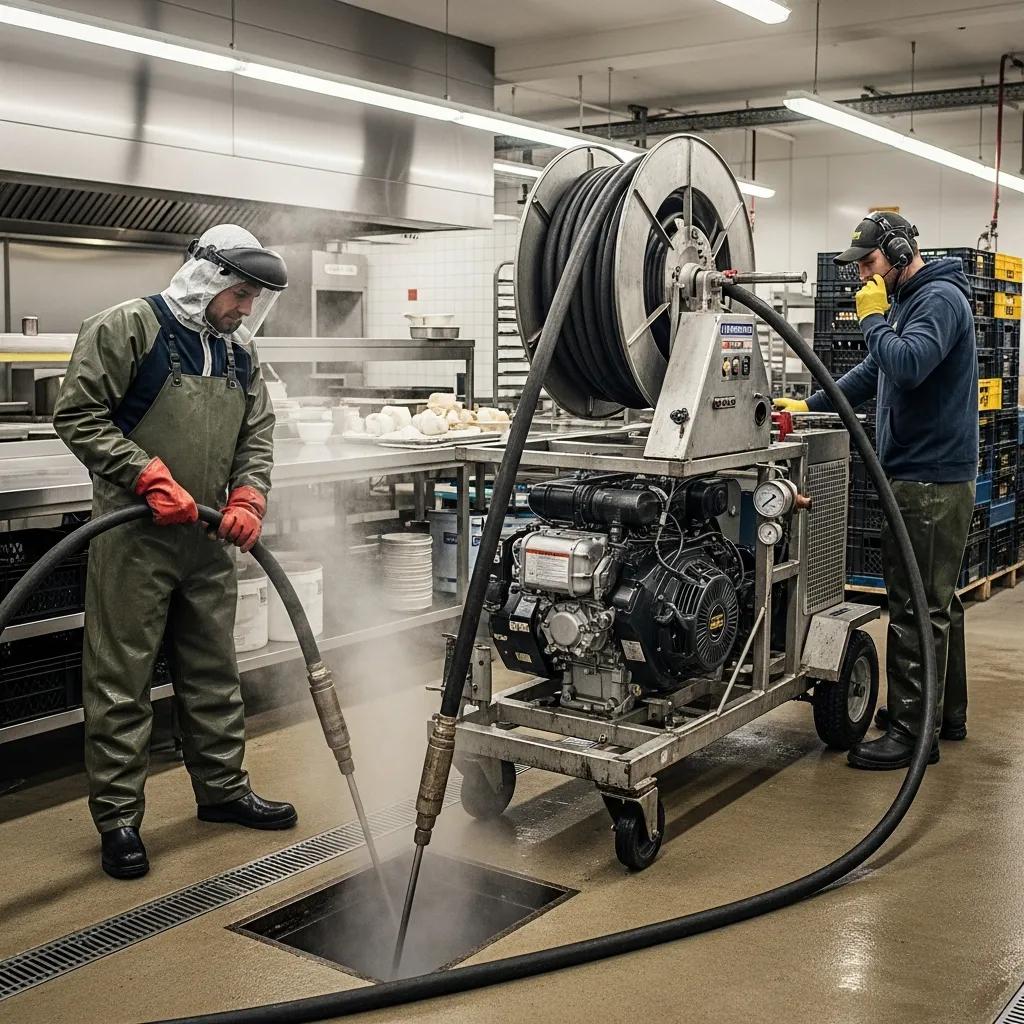
Commercial hydro jetting services are designed around business continuity, health‑code compliance, and high‑capacity systems where downtime hurts the bottom line. Providers schedule off‑hours or phased cleanings to limit operational impact and use higher‑capacity jetters, nozzle arrays, and sewer camera systems built for industrial and municipal drains. Preventative contracts and rapid emergency response help restaurants, factories, and multi‑tenant properties avoid shutdowns and lower long‑term maintenance costs. Typical commercial offerings include:
- Emergency response cleaning: Fast jetting to restore flow and reduce operational disruption.
- Preventative maintenance contracts: Scheduled jetting to prevent shutdowns and meet compliance requirements.
- High‑capacity system service: Custom jetting setups for larger‑diameter drains and mainlines.
These commercial options support flexible scheduling and the operational needs of busy facilities.
How Does Hydro Jetting Support Business Plumbing Needs?
Hydro jetting helps businesses by minimizing downtime through a thorough clean that cuts repeat clogs and by offering flexible service windows like nights and weekends. For 24/7 operations, technicians can perform sectional or phased cleaning to keep critical systems running while addressing problem areas. Preventative maintenance agreements provide predictable cleaning intervals, which helps operations teams plan around service and stay compliant with health inspectors. Documented camera inspections before and after service also support record‑keeping and liability management.
What Are the Advantages of Hydro Jetting for Restaurant and Industrial Drains?
For restaurants and industrial sites, hydro jetting removes grease buildup and high‑volume debris that snaking can’t fully clear, cutting the risk of health‑code violations and unexpected closures. Regular jetting prevents hardened grease in traps and lines, improving odor control and kitchen performance. Industrial drains with heavy solids benefit from higher‑flow jetting that moves debris and restores capacity without chemicals. These operational benefits make hydro jetting a key part of proactive facilities maintenance.
How Much Does Hydro Jetting Cost in Michigan?
Cost for hydro jetting depends on several factors — the clog’s severity, pipe length and material, access difficulty, and whether camera inspection is required — so most providers give estimates after an on‑site inspection rather than flat pricing. Conditions vary across Macomb, Oakland, and Wayne Counties, so technicians usually perform a diagnostic camera pass, then present an upfront estimate outlining the recommended work and any possible follow‑up. Frost and Kretsch Plumbing follows a transparent pricing approach and provides inspection‑based estimates so customers understand what drives final cost. Main cost drivers include:
- Severity of the clog: Deeper, more entrenched blockages take longer and need more equipment.
- Pipe length and material: Longer runs and challenging materials affect labor and nozzle selection.
- Access and site complexity: Tight spaces or obstacles increase setup time and effort.
- Camera inspection need: Diagnostic and verification camera work adds time but improves accuracy and avoids surprises.
| Cost Factor | Description | Impact on Price |
|---|---|---|
| Clog severity | Extent and type of buildup (roots, grease, scale) | Higher severity increases labor and time |
| Pipe length & material | Distance to obstruction and pipe composition | Longer or complex plumbing raises cost |
| Access difficulties | Confined spaces, obstacles, or landscaping impact setup | Additional labor and equipment handling required |
| Camera inspection | Pre‑ and post‑cleaning video diagnostics | Adds time but reduces unknowns and prevents surprises |
That table helps property owners see how different job attributes affect price and why a camera‑assisted estimate is standard practice.
What Factors Influence Drain Jetting Cost in Macomb, Oakland, and Wayne Counties?
Local details like travel time, permits for public main access, and on‑site logistics can change job scope and cost in Macomb, Oakland, and Wayne Counties. Severity and location of the clog are primary drivers — mainline blockages usually need more equipment and longer run times than a single fixture line. Older properties may require extra excavation or routing, which raises labor and time. For accurate budgeting, technicians perform a camera inspection and provide an itemized estimate reflecting local logistics and recommended remediation steps.
Are There Transparent Pricing and Special Offers for Sewer Jetting Services?
Transparent pricing means we explain the scope, possible extra charges, and provide a post‑inspection estimate that documents findings before work starts. Frost and Kretsch Plumbing emphasizes clear, inspection‑based estimates to avoid hidden fees. Customers receive a plain‑language explanation of recommended work, the equipment we’ll use — such as high‑pressure jetters and sewer cameras — and any follow‑up suggestions. To get precise cost info for your property, request an inspection‑based estimate so the diagnostic findings and required steps are clearly stated.
How to Schedule and Prepare for Your Hydro Jetting Service
Scheduling usually starts with a phone call or online request, followed by an on‑site sewer camera inspection to scope the line and produce a transparent estimate. Frost and Kretsch Plumbing offers 24/7 emergency service and schedules preventative maintenance for residential and commercial customers. Preparing for service is simple: clear access points, remove items from the work area, and let occupants know about temporary water or fixture restrictions if needed. On the service day, technicians perform the camera inspection, choose the correct nozzle and pressure settings, run the jetter, and verify results with a post‑cleaning camera pass. Use this checklist to get ready:
- Clear access points: Remove obstructions around cleanouts and work areas — leave about 3 feet clear around access openings.
- Protect belongings: Move sensitive items away from potential splash zones and secure pets and children.
- Notify occupants: Tell staff or household members about possible temporary fixture outages or noise during the work.
- Confirm inspection: Make sure a pre‑jetting sewer camera inspection is included in the estimate for accurate scope and safety.
This prep checklist helps the crew work efficiently and safely. Below is the typical inspection‑to‑cleaning workflow we follow.
What Is the Typical Hydro Jetting Process from Inspection to Cleaning?
We start with a camera inspection to locate the blockage, identify its composition, and check pipe condition to determine if jetting is appropriate. After diagnostics, technicians pick the right nozzle and pressure for the clog and pipe material, set up the jetter, and run controlled passes to cut and flush debris. When cleaning is finished, a post‑jetting camera inspection verifies clearance and documents pipe condition, which informs any repair recommendations or future maintenance scheduling. Licensed technicians and modern equipment — calibrated jetters and high‑quality cameras — ensure a safe, verifiable outcome.
How to Identify Signs You Need Hydro Jetting for Your Drains?
Call for hydro jetting when you see persistent or worsening symptoms: several slow drains at once, recurring clogs after snaking, sewer odors, or backups into fixtures — these suggest a system‑level problem rather than a single trap. Urgent signs include full backups or sewage returning into living spaces; those require immediate emergency service. If you notice these issues or frequent slowdowns, schedule a camera inspection to determine the best fix — hydro jetting is often the next step when inspection shows extensive buildup or root intrusion. Acting early prevents escalation and protects your property.
Schedule Your Advanced Hydro Jetting Service Today (mapped to provided H2 'How to Schedule and Prepare for Your Hydro Jetting Service')
To schedule hydro jetting in Macomb, Oakland, or Wayne Counties, contact Frost and Kretsch Plumbing to request a diagnostic camera inspection and a clear, itemized estimate. We offer 24/7 emergency response, experienced licensed technicians, and modern equipment. Booking begins with an inspection that identifies the scope and ensures the chosen pressure and nozzle match the pipe condition — avoiding unnecessary work and surprise charges. Our approach pairs sewer camera inspection with state‑of‑the‑art hydro jetters and a satisfaction guarantee to deliver reliable results. If you’re dealing with recurring clogs, slow drains, or backups, request an inspection‑based hydro jetting estimate to get a clear plan and cost outline.
- Service area: Macomb County, Oakland County, Wayne County.
- What sets us apart: 24/7 Emergency Service; Experienced, Licensed Technicians; Transparent Pricing; Customer Satisfaction Guarantee; Advanced Equipment including high‑end camera systems and high‑pressure jetters.
This operational and conversion‑focused information summarizes how to start service and what to expect during scheduling and on‑site work, completing the practical guidance for advanced hydro jetting.
Frequently Asked Questions
What are the signs that indicate I need hydro jetting for my drains?
Look for multiple slow drains at the same time, recurring clogs after snaking, persistent sewer odors, or visible backups in fixtures. Full backups or sewage in living spaces are urgent — call for emergency service right away. These symptoms often mean a systemic issue, and a camera inspection will confirm whether hydro jetting is the right solution.
How often should I schedule hydro jetting for maintenance?
Frequency depends on how the plumbing is used. For many homes, annual or every‑other‑year jetting is a good starting point, especially if clogs are recurring or plumbing is older. Commercial properties — restaurants in particular — may need service every few months to control grease and meet health codes. Regular inspections help set the best cadence for your situation.
Can hydro jetting damage my pipes?
When performed by experienced technicians, hydro jetting is safe for most modern materials like PVC and cast iron. Older clay pipes or severely deteriorated lines need careful evaluation first. A pre‑jetting camera inspection is essential to assess pipe condition and make sure pressure and nozzle choices are safe. That inspection minimizes the risk of damage while clearing clogs effectively.
What should I do to prepare for a hydro jetting service?
Clear access around cleanouts and the work area (about three feet if possible), move valuables away from potential splash zones, and secure pets and children. Let household members or staff know about possible temporary water restrictions or noise. Confirm that the estimate includes a pre‑jetting camera inspection so the crew can scope the line before work begins.
Are there any environmental benefits to using hydro jetting?
Yes. Hydro jetting uses only high‑pressure water to remove clogs, avoiding harsh chemical cleaners that can harm pipes and the environment. This water‑only approach effectively removes grease, scale, and roots while reducing the risk of chemical runoff entering wastewater systems.
What types of clogs can hydro jetting effectively resolve?
Hydro jetting handles stubborn clogs like tree root intrusions, hardened grease buildup, and mineral scale deposits. It mechanically cuts root masses, scours grease from pipe walls, and removes scale that narrows the pipe diameter. This thorough cleaning restores flow and helps prevent repeat issues when paired with regular maintenance.
How does hydro jetting compare to other drain cleaning methods?
Hydro jetting usually outperforms snaking and chemical cleaners for entrenched buildups. Snaking may provide a temporary opening but often leaves residue that quickly clogs again. Chemical cleaners can damage older pipes and harm the environment. Hydro jetting cleans the pipe interior, removing the buildup that leads to repeated problems and reducing the frequency of future service calls.
Conclusion
Hydro jetting is a powerful, environmentally friendly way to clear stubborn drain clogs — cutting through grease, roots, and mineral deposits while improving long‑term pipe health. It restores drainage performance and can lower the number of service calls over time, making it a cost‑effective choice for homeowners and businesses. If you’re facing persistent drainage problems, schedule a diagnostic camera inspection to see whether hydro jetting is right for your system. Contact Frost and Kretsch Plumbing to learn more about our advanced hydro jetting services and get a transparent estimate.