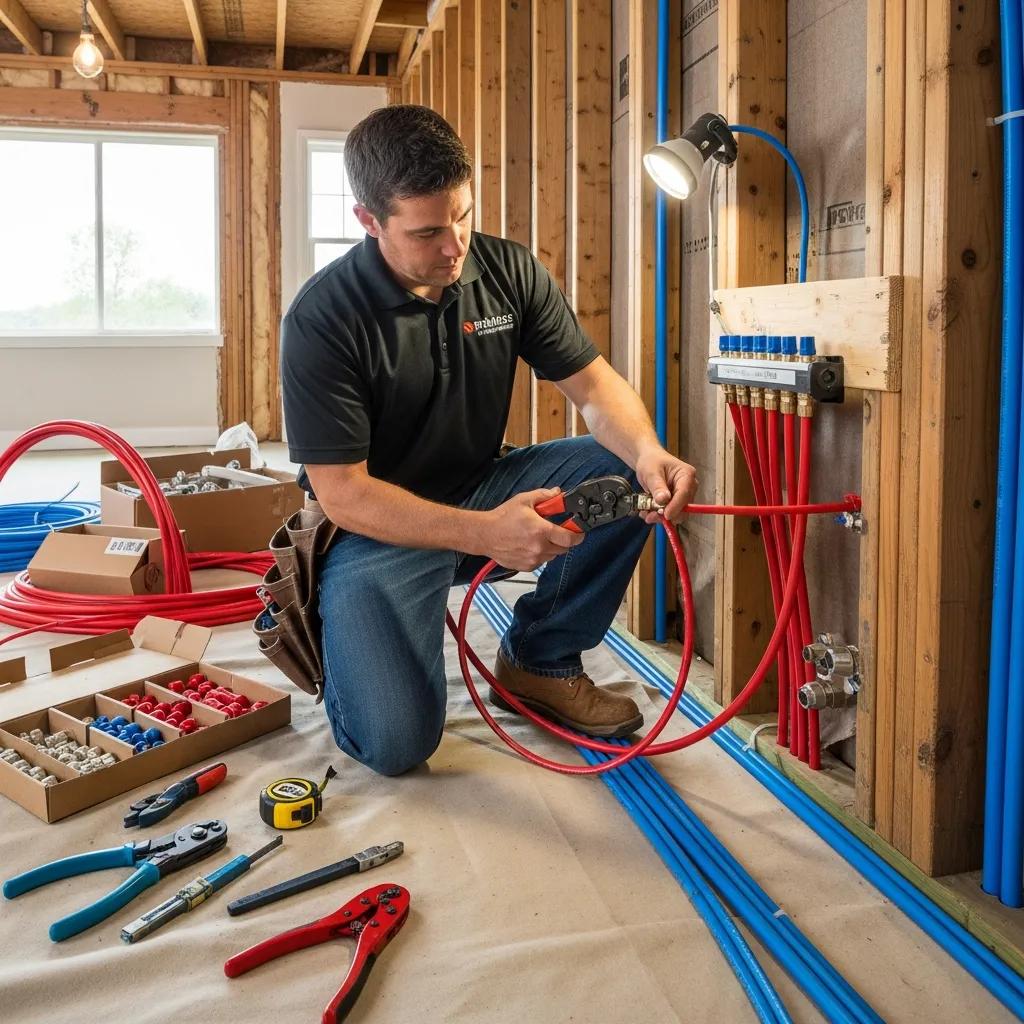
Whole‑House Repiping in Troy, MI — Expert Solutions from Frost and Kretsch Plumbing
Whole‑house repiping means replacing a home’s entire water distribution system to restore flow, improve water quality, and stop recurring leaks. This page walks Troy homeowners through why a full repipe may be needed, the common symptoms — like rusty water or low pressure — and which pipe materials work best in Michigan’s climate. You’ll find straightforward guidance on spotting system‑wide pipe failure, a clear comparison of PEX, copper, and CPVC, realistic cost factors, and a step‑by‑step overview of the repipe process from inspection to final testing. Practical checklists and comparison notes make decisions easier, and we explain how Frost and Kretsch Plumbing — a licensed, insured local company serving Troy and nearby counties — conducts diagnostic inspections and delivers transparent, upfront estimates. Our goal is to give you the information and next steps needed to decide whether whole‑house repiping is right for your home.
What Are the Key Signs You Need Whole House Repiping in Troy, MI?
Whole‑house repiping is usually the right answer when multiple, system‑level symptoms point to aging or failing plumbing rather than a single faulty fixture. Mineral buildup, internal corrosion, or brittle and recalled materials often show patterns that affect water pressure, clarity, and leak frequency across the house. Catching these signs early limits structural damage and helps decide whether a spot repair will do or a full repipe is necessary. Below is a concise list of common, homeowner‑visible symptoms that suggest systemic pipe problems.
The most common warning signs include:
- Rusty or discolored water from several taps — a strong sign of internal corrosion in supply lines.
- Low water pressure at more than one fixture, which can mean scaling or reduced pipe diameter throughout the system.
- Repeated leaks or bursts in different areas, pointing to widespread material failure rather than isolated faults.
- Unusual noises — knocking, banging, or high‑pitched whines — when several fixtures run at once, indicating failing supply lines or water hammer issues.
These clues help separate one‑off problems from a failing network. If you see several of these together, schedule a diagnostic inspection that includes pressure testing and material ID to confirm whether a whole‑home repipe in Troy is the right move.
How Does Low Water Pressure Indicate the Need for Repiping?
Low pressure at multiple fixtures usually means the restriction is spread through the supply network, not just a clogged aerator or single valve. Mineral scale, internal corrosion, or years of sediment can shrink the effective diameter of main and branch lines, reducing flow to sinks, showers, and outdoor spigots at the same time. During a diagnostic visit we test pressure under load and compare readings to expected service levels — consistent drops under use point to a distributed restriction. Knowing the difference between a local blockage and whole‑system loss is important: small repairs may help short‑term, but repiping restores full flow and long‑term reliability.
What Do Frequent Leaks and Pipe Bursts Reveal About Your Plumbing?
Frequent leaks and repeated bursts are clear indicators of material fatigue, corrosion, or wide‑spread deterioration that patch repairs can’t reliably fix. When leaks crop up in multiple spots or a repaired section fails again, adjacent pipes are often weakened too. That raises the risk of hidden water damage, mold, and ruined finishes or framing, so timely action matters. Homeowners seeing recurring leaks should consider whole‑house repiping to remove the root cause by replacing old or failing materials across the system rather than fixing symptoms one at a time.
After spotting these system‑level signs, many Troy homeowners schedule a professional inspection. Frost and Kretsch Plumbing can diagnose symptoms, identify pipe materials, and deliver a clear, upfront repipe estimate that explains options and next steps. A diagnostic inspection ties homeowner observations to a professional scope of work and helps plan the safest, most efficient path forward.
Which Pipe Materials Are Best for Whole House Repiping in Troy, MI?
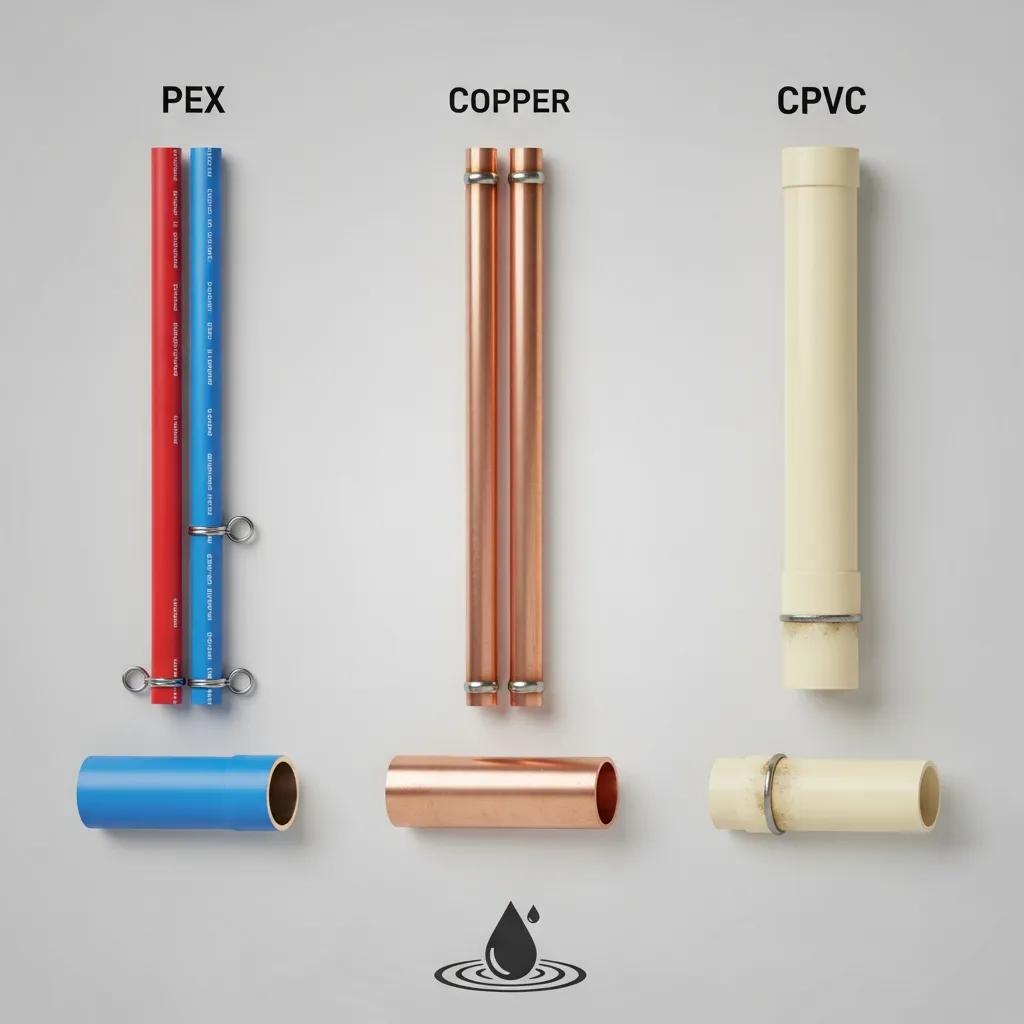
Choosing pipe material is a balance of durability, cost, installation complexity, and local conditions like freeze risk. The modern choices are PEX, copper, and CPVC, while older homes may still have galvanized or polybutylene that should be replaced. Each material has different lifespans and installation needs in Michigan’s seasonal climate, so weigh long‑term reliability against upfront cost. The compact comparison below helps homeowners evaluate trade‑offs when planning a repipe in Troy.
Different pipe types and their typical attributes:
| Pipe Type | Attribute | Typical Value |
|---|---|---|
| PEX | Lifespan | 30–50 years under normal conditions |
| PEX | Cost Range | Generally lower material and labor costs than copper |
| PEX | Pros/Cons | Pros: flexible, fewer fittings, better resistance to freeze‑related bursts; Cons: cannot be exposed to sunlight (UV) |
| Copper | Lifespan | 50+ years when water chemistry is neutral |
| Copper | Cost Range | Higher material and installation costs compared with PEX |
| Copper | Pros/Cons | Pros: proven longevity, heat resistant, recyclable; Cons: higher cost and soldering labor |
| CPVC | Lifespan | 30–40 years depending on water chemistry |
| CPVC | Cost Range | Mid‑range material cost; easier joins than copper |
| CPVC | Pros/Cons | Pros: corrosion resistant, cost effective; Cons: can become brittle with UV or extreme cold exposure |
| Galvanized (legacy) | Typical Use | Older supply lines that often cause discolored water and reduced flow |
| Galvanized (legacy) | Issue | Internal corrosion that restricts flow and hurts water quality |
This comparison shows why PEX is often the best balance of cost and speed for many Troy homes, while copper remains the premium long‑term choice where longevity and heat resistance are priorities. Frost and Kretsch Plumbing installs all modern piping options and will recommend the best fit for your house while addressing local code and conditions across Macomb, Oakland, and Wayne counties.
What Are the Benefits of PEX Repiping for Troy Homes?
PEX repiping fits many Troy homeowners’ needs: faster installs, fewer joints, and easier routing through framing cavities. Because PEX is flexible, plumbers can run long, continuous lengths with fewer fittings — lowering leak risk and cutting installation time. It resists pinhole leaks caused by corrosion and tolerates minor freeze‑thaw events better than brittle materials. Homeowners usually see lower installation costs, less invasive wall cutting, and dependable day‑to‑day performance when a properly sized PEX manifold and supply layout are installed.
How Does Copper Compare to PEX and CPVC for Repiping?
Copper is a time‑tested material with high durability, heat resistance, and a long service life when water chemistry is favorable. Compared with PEX, copper has higher upfront material and labor costs because of soldered joints and less flexible routing, but it’s fully recyclable and widely trusted. CPVC sits between PEX and copper on cost and installation complexity: it’s corrosion resistant and cheaper than copper but needs careful handling to avoid brittleness in certain conditions. In practice, copper appeals to homeowners who prioritize long‑term durability and resale appearance, while PEX is common for cost‑effective, efficient replacements in lived‑in homes.
How Much Does Whole House Repiping Cost in Troy, MI?
Repiping costs depend on material, house size, accessibility, and local permit or inspection needs. Homeowners can use conservative ranges to plan, understanding that PEX typically costs less than copper and that the number of fixtures and routing complexity affect totals. Key cost drivers include square footage, how much drywall or flooring must be opened, fixture counts, and any unexpected remediation (rot, insulation replacement). The table below breaks down principal cost factors and how they typically influence price.
Cost drivers and their influence on price:
| Cost Factor | Influence on Price | Typical Range / Effect |
|---|---|---|
| Home size / fixture count | High | Larger homes and more fixtures increase material and labor |
| Material choice (PEX vs Copper) | High | Copper raises material and labor costs significantly |
| Accessibility (walls/floors) | Medium–High | Tough access increases demolition and repair time |
| Permits & inspections | Medium | Local fees and inspection schedules add time and cost |
| Labor rates & scheduling | Medium | Skilled labor availability affects total project duration |
| Unexpected remediation | Variable | Mold, rot, or structural repairs can increase the bill |
Because so many variables affect price, an on‑site assessment is the only way to get a reliable estimate. Schedule an inspection that lists materials, labor, permit needs, and post‑install testing in a written proposal — Frost and Kretsch Plumbing provides upfront estimates and clear pricing so Troy homeowners can compare options and plan with confidence.
What Factors Influence the Cost to Repipe a House in Troy?
Several factors change the final repipe price: material choice, home size and layout, pipe accessibility, and permit or inspection requirements. A two‑story home with pipes in chases or between finished ceilings requires more labor and patching than a single‑level house with exposed basement runs. Older homes often reveal hidden damage behind walls or in crawlspaces, adding labor and remediation. Local codes and permit fees also affect the total because a code‑compliant replacement typically requires inspections and paperwork as part of a professional repipe scope.
How Can You Get a Transparent and Accurate Repiping Estimate?
A reliable estimate starts with an on‑site inspection that documents pipe material, visible corrosion, fixture count, routing complexity, and access needs. A comprehensive written estimate should itemize materials, labor, permit fees, timeline, and testing procedures — not just a single vague number. Expect the estimator to explain how material choice (PEX vs. copper) changes both upfront cost and long‑term performance, and to suggest ways to minimize disruption. When comparing proposals, choose contractors who guarantee upfront pricing and clear scopes; Frost and Kretsch prioritizes transparent estimates so Troy homeowners can make informed decisions.
What Are the Benefits of Choosing Frost and Kretsch Plumbing for Repiping in Troy, MI?
Frost and Kretsch Plumbing offers the service elements that matter for whole‑house repiping: licensed and insured technicians, 24/7 emergency response, clear upfront pricing, and a stated 100% satisfaction guarantee. Licensing ensures code compliance and proper permit handling; insurance protects you and the crew during invasive work. Around‑the‑clock response helps when a failing pipe becomes urgent, and upfront estimates reduce the chance of surprise charges. Serving Macomb, Oakland, and Wayne counties, we list complete home repiping among our residential services for Troy homeowners who want a local specialist they can trust.
Why Is Licensed and Insured Service Important for Repiping?
Licensed technicians bring verified training and local code knowledge, which reduces the chance of rework and ensures installations meet municipal standards. Insurance covers accidental damage or liability that can happen when cutting into walls and replacing lines. Asking for proof of license and insurance gives you two protections: verified competence and a financial safety net if something unexpected occurs. Make sure the contract includes permit coordination and inspection support before work begins.
How Does Frost and Kretsch Ensure Customer Satisfaction and Transparent Pricing?
We focus on written, upfront estimates and transparent pricing so homeowners can compare options without hidden fees. Our 100% satisfaction commitment reflects a willingness to address issues that come up during or after installation within our service policies. Licensed technicians handle installations, producing reliable workmanship and proper documentation for permits and inspections. For Troy homeowners, that mix of clear pricing, certified staff, and a satisfaction pledge provides a predictable framework for repipe projects.
What Is the Comprehensive Process for Whole House Repiping in Troy, MI?
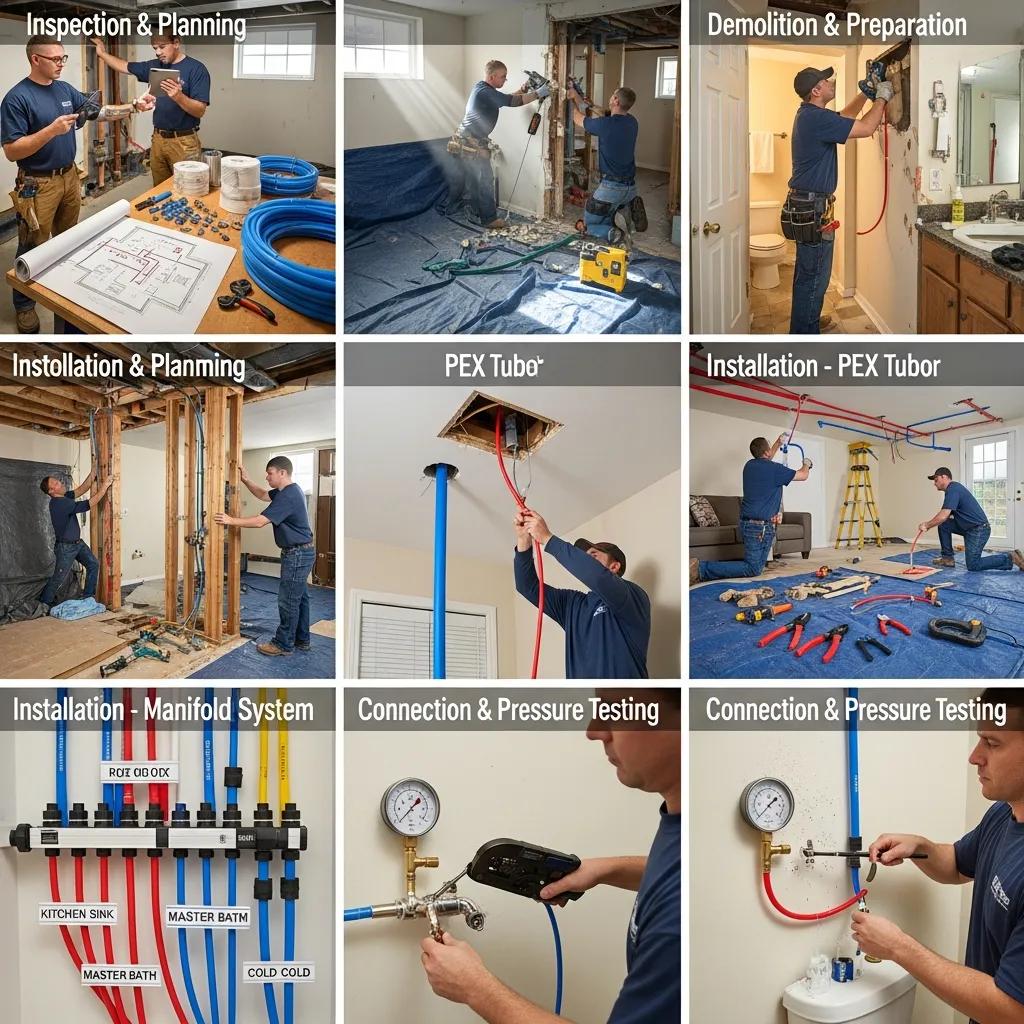
A dependable repipe follows a clear sequence — inspection and scope, material selection and permits, installation, testing, and cleanup — to minimize disruption and deliver lasting results. The process starts with a site assessment that documents materials and problem areas, moves to material selection and permit pulls, and finishes with installation, pressure testing, and final inspection. Open communication about schedule, access points, and post‑install testing helps homeowners prepare and avoid surprises. The table below summarizes each step, what happens, and what homeowners should expect for time and disruption.
| Process Step | What Happens | Typical Time / What Homeowner Should Expect |
|---|---|---|
| Inspection & diagnosis | Visual checks, pressure tests, leak detection, material ID | 1–2 hours; homeowner should provide access to basements and utility areas |
| Planning & permits | Material selection, written estimate, permit applications | Several days to weeks depending on local permitting timelines |
| Installation | Shut‑off, remove or abandon old lines, install new piping | 1–5 days for an average home; varies with size and access |
| Testing & inspection | Pressure testing, water quality checks, municipal inspection | Same‑day testing; final inspection scheduling may vary |
| Cleanup & handoff | Patch/repair access points, provide documentation, satisfaction review | Crew completes cleanup; homeowner receives completion documents |
That structured approach sets clear homeowner expectations and contractor responsibilities. Frost and Kretsch coordinates permits and executes each step with licensed technicians to meet Troy’s local standards and county requirements.
How Is the Initial Inspection and Diagnosis Conducted?
The initial inspection is a visual check of exposed piping, pressure testing under different conditions, and targeted leak detection to find hidden failures. Our techs identify pipe types, look for corrosion or mineral buildup, and test supply‑side pressure to determine if low flow is systemic. Make sure basements, crawlspaces, and utility closets are accessible and be ready to share any history of leaks or discolored water. We translate findings into a recommended scope that distinguishes targeted repairs from a full repipe and use that scope to prepare the written estimate and permit plan.
What Steps Are Involved in Installation and Post-Installation Testing?
Installation starts by shutting off water and protecting finishes, followed by removal or abandonment of old lines and careful installation of the new system. Pipes are routed and connected to fixtures and the main shut‑offs, supported per code, then pressure tested and checked for water clarity. Municipal or third‑party inspections confirm code compliance, and we complete all documentation and customer sign‑offs. Finally, the crew cleans up, restores any affected surfaces, and reviews maintenance tips with the homeowner during project closeout.
How Does Old Pipe Replacement Improve Your Troy Home’s Plumbing?
Replacing old pipes fixes the root causes of many chronic plumbing problems: it removes corroded or failing materials, restores flow, and improves water clarity and safety. A full repipe eliminates interior corrosion, scale, and legacy materials that trap sediment and discolor water, improving fixture performance and cutting maintenance needs. Beyond daily improvements, repiping lowers the risk of major leaks that can cause structural damage and mold, and it can boost confidence and home value by modernizing an essential system. Below are the specific improvements you can expect after a complete repipe.
Key benefits of old‑pipe replacement include:
- Restored water pressure and consistent flow at multiple fixtures throughout the home.
- Clearer, neutral‑tasting water after removing corroded pipe interiors that release rust and sediment.
- Fewer emergency repairs and a lower long‑term maintenance burden after replacing brittle or recalled materials.
Together, these outcomes provide immediate quality‑of‑life gains and long‑term protection for your home. Knowing the common failure modes of legacy materials explains why full repiping is often the most cost‑effective long‑term solution.
What Problems Do Galvanized and Polybutylene Pipes Cause?
Galvanized pipes commonly suffer internal corrosion and flaking, which reduces flow and causes discolored water — a common reason for full replacement. Polybutylene, used in some older homes, has been linked to brittleness and a higher frequency of leaks over time; many contractors recommend replacing these lines when present. Both materials can lead to recurring repairs and lower water quality, which is why swapping them for modern piping is usually the best long‑term fix.
How Does Whole House Repiping Resolve Corrosion and Water Quality Issues?
Whole‑house repiping removes corroded, degrading materials and installs modern piping that resists internal corrosion and sediment buildup, directly improving water clarity and taste. After installation, technicians perform pressure and water quality tests to confirm the new system meets expected flow and local standards, showing measurable before‑and‑after improvement. Repiping also reduces small leaks and the chance of large bursts, lowering long‑term maintenance costs and protecting interior finishes. For Troy homes, replacing galvanized or polybutylene lines with PEX, copper, or CPVC delivers durable performance and cleaner, safer water.
- Inspection: Confirm existing pipe materials and locate problem areas.
- Material selection: Choose PEX, copper, or CPVC based on the home’s needs.
- Permits & scheduling: Obtain required permits and set a minimally disruptive timeline.
For Troy homeowners, following these steps results in a modern plumbing system with improved reliability and measurable water‑quality benefits. Frost and Kretsch Plumbing supports the process by diagnosing issues, advising on material selection, and providing upfront estimates and licensed installation services for full‑home repiping projects in Troy and nearby counties.
Frequently Asked Questions
1. How long does the whole house repiping process typically take?
Timing varies by home size, plumbing layout complexity, and material choice. The installation phase usually takes 1 to 5 days for an average single‑family home, covering removal of old pipes, installation of new ones, and testing. Allow extra time for the initial inspection and permit processing, which can take several days to a few weeks depending on local requirements.
2. What should homeowners do to prepare for a repiping project?
To prepare, clear access to pipe areas by moving furniture and obstacles, and share any history of leaks or water issues with the contractor during the initial visit. Plan for temporary water disruptions and choose project timing that minimizes inconvenience to your household. We’ll also discuss protection for floors and finishes before work begins.
3. Are there any warranties or guarantees associated with repiping services?
Reputable plumbers, including Frost and Kretsch Plumbing, offer warranties that typically cover workmanship and the materials used. These guarantees ensure that installation issues are addressed without unexpected costs. Ask for the warranty details — duration and what’s covered — so you know exactly what protection you have.
4. How can homeowners maintain their new plumbing system after repiping?
After a repipe, check for leaks periodically, especially where pipes are hidden. Schedule occasional inspections with a licensed plumber to ensure everything remains in good condition. Avoid flushing problematic materials down drains, and consider a water softener if hard water is an issue — it can extend the life of your new pipes.
5. What are the environmental impacts of repiping with different materials?
Environmental impact varies by material. PEX often has lower production energy and a long service life, which reduces waste. Copper is recyclable but more energy‑intensive to mine and process. CPVC uses less energy than copper but may be less durable in some conditions. Consider longevity and recyclability when choosing materials to minimize environmental footprint.
6. Can repiping improve the resale value of a home?
Yes. Updated plumbing is a selling point because it lowers the risk of future problems and improves home safety and comfort. Modern plumbing can improve water quality and reduce maintenance costs, making your property more attractive to buyers. Keep documentation and warranty information to show future owners.
7. What are the common mistakes to avoid during the repiping process?
Avoid these common mistakes: not getting multiple estimates, hiring contractors without verifying license and insurance, and choosing materials only on upfront cost without considering long‑term performance. Also, don’t skip detailed timeline and disruption discussions. Clear communication with your contractor is key to a smooth project.
Conclusion
Whole‑house repiping in Troy brings clear benefits: better water quality, restored pressure, and fewer emergency repairs. By recognizing the signs of failing plumbing and weighing modern material options, homeowners can make choices that improve daily comfort and protect their home. Frost and Kretsch Plumbing is ready to help with expert inspections and transparent estimates tailored to your needs. Contact us today to learn how we can build a reliable, efficient plumbing system for your home.