Drain Clog Prevention Tips for Macomb Township, MI — Simple, Effective Ways to Keep Your Drains Clear
Preventing drain clogs is about small, consistent actions that stop solids, grease, hair, and roots from restricting flow and causing backups. Those steps reduce emergency repairs and protect your home’s plumbing. In Macomb Township, MI, local soil, mature trees, and older sewer connections can raise the risk of main-line problems, so homeowners do best combining everyday habits with periodic professional checks. This guide lays out the common causes of clogs, clear kitchen and bathroom routines, how to protect main sewer lines, and when to handle things yourself versus calling a pro. You’ll also get a straightforward look at advanced diagnostics and cleaning options, and why regular inspections save time and money. For local help, Frost and Kretsch Plumbing serves Macomb and nearby counties for residential and commercial drain needs — see our contact details later if you need service.
What Are the Common Causes of Drain Clogs in Macomb Township Homes?
Clogs form when material builds up inside pipes and slows or blocks flow. That happens through physical trapping, materials hardening, or roots and foreign objects entering lines. In Macomb Township homes the usual culprits are kitchen grease and food, bathroom hair and soap scum, flushed non-flushables, tree roots in old sewer lines, and mineral or scale buildup in aging plumbing. Each cause has a simple prevention tip homeowners can use right away. Knowing why a clog starts helps you pick the right action — installing screens, changing disposal habits, or scheduling an inspection when multiple fixtures go slow. The quick list below points out the top causes and a one-line fix for each.
- Grease and food buildup: Cooled grease sticks to pipe walls — collect and discard grease instead of pouring it down the sink.
- Hair and soap scum: Hair tangles with soap residue to form mats — use drain screens and remove hair after showers.
- Foreign objects and wipes: Non-flushables clump and trap solids — throw these items in the trash, don’t flush them.
- Tree root intrusion: Roots seek water and enter pipe joints — watch for soggy spots in the yard and schedule camera inspections as needed.
- Mineral and scale buildup: Hard-water deposits narrow pipes over time — periodic professional cleaning helps slow progressive clogs.
These quick tips point homeowners to immediate steps and lead into the kitchen and bathroom practices that follow — simple habits that break the clog cycle.
How Do Grease and Food Scraps Affect Kitchen Drains?
Grease is fluid when hot but sticky when it cools, coating pipe interiors and trapping food particles. Over time these coatings narrow the pipe and create a scaffold for heavier blockages. Food scraps, especially starchy or fibrous bits, collect behind grease or in trap bends and speed up slow drains and odors. Garbage disposals reduce solids but don’t give license to dump everything — they work best with cold water, small amounts, and no fibrous or starchy overload. Practical steps: scrape plates into the trash or compost, wipe pans before washing, run cold water with the disposal, and clean the P-trap occasionally. Those habits limit grease adhesion and keep disposals working safely, which lowers the chance of kitchen backups.
What Role Do Hair and Soap Scum Play in Bathroom Drain Blockages?
Hair and soap scum join to form stubborn, fibrous blockages near shower drains and at P-traps where flow slows. Hair strands entwine while soap residues bind them into a growing mat. Soap scum — a mix of fatty acids and minerals — clings to pipe walls and gives hair something to grab onto. Enzyme-based cleaners can help by breaking down organic material without harming pipes. Simple fixes include removing visible hair after each use, using a hair-catcher or mesh screen, and monthly enzyme treatments to digest buildup. Avoid relying on harsh chemical drain cleaners — they can damage finishes and only offer short-term relief. Mechanical removal and enzyme maintenance are safer long-term approaches.
How Can You Prevent Kitchen Drain Clogs in Macomb Township?
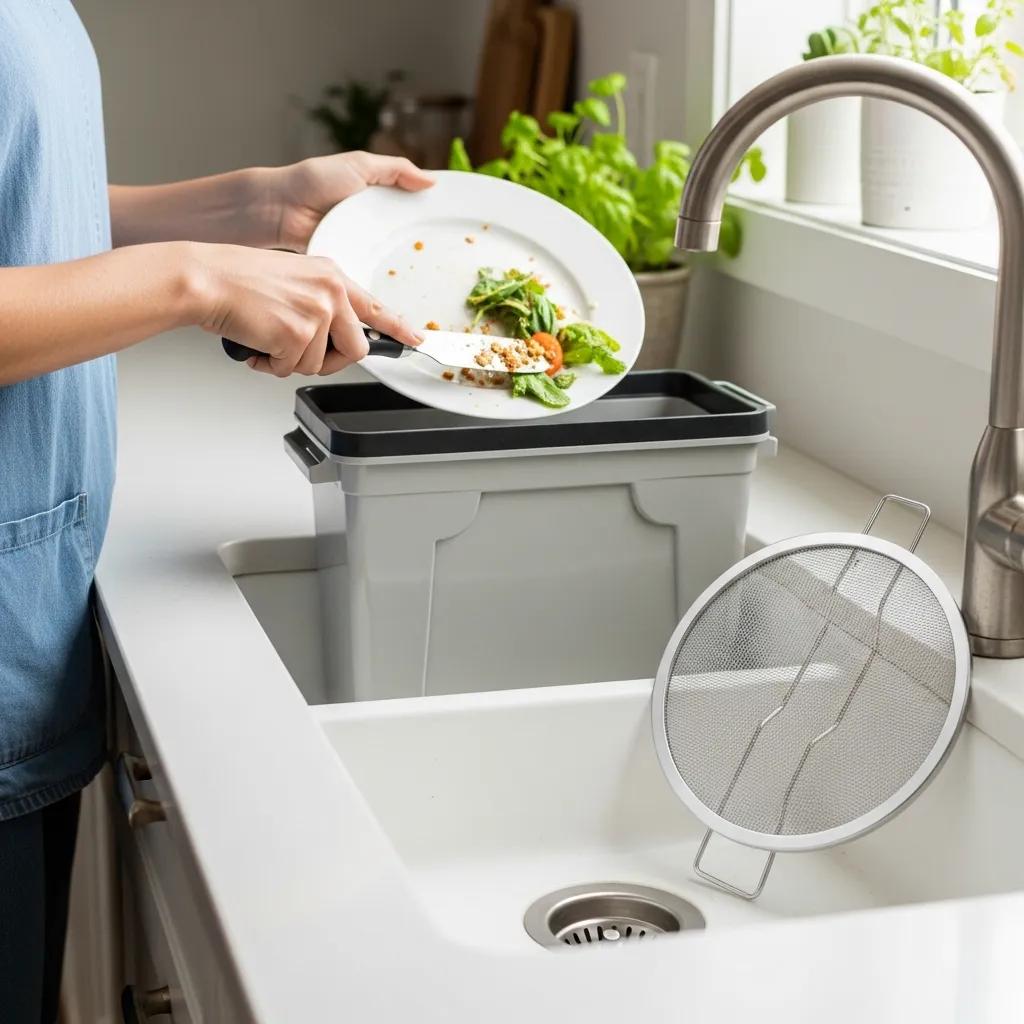
Keeping kitchen drains clear comes down to steady habits that stop solids and grease from entering plumbing, plus occasional maintenance to clear gradual buildup. Build a kitchen routine: scrape plates into the trash or compost, collect grease in a sealed container for disposal, and use a drain screen to block solids at the sink. These small steps prevent most clogs and reduce the need for harsh chemicals, protecting pipes and cutting odors. Below are practical, product-agnostic suggestions you can start today.
- Scrape and contain food: Clear plates and wipe grease into a disposable container before rinsing or washing.
- Use cold water with disposals: Run cold water while the garbage disposal runs to help flush fats without melting them in the pipes.
- Install and clean screens: Fit a mesh or perforated screen over the drain and empty it after each use to stop solids from reaching the trap.
These simple practices form your first line of defense for kitchen drains and set up the routines described next for disposals and screens.
What Are the Best Practices for Grease Disposal and Garbage Disposal Use?
Handle grease and disposal use correctly to avoid hardened pipe buildup. Let cooking oil and pan grease cool, then wipe or pour residues into a sealed container and throw it away — never pour warm grease down the drain. For garbage disposals, feed small food pieces with plenty of cold water, avoid fibrous items like corn husks or celery, and limit starchy loads that can form paste. Regular maintenance — such as grinding ice with a little salt to clean blades or removing the splash ring to clear trapped debris — keeps the unit running smoothly. These habits cut grease buildup and prolong your kitchen drainage components.
How Do Drain Screens Help in Preventing Kitchen Sink Clogs?
Drain screens are a simple mechanical barrier that catches food before it reaches the trap and downstream pipes. Pick a mesh size that balances flow with debris capture, and empty and scrub screens after heavy dishwashing to prevent grease and soap from accumulating. For busy kitchens, use a larger basket for big scraps and a finer liner for small particles — clean both regularly. Proper screen use reduces how often you need to clear traps or call a plumber, and it complements good grease handling to keep solids out of the plumbing.
What Are Effective Bathroom Drain Care Tips to Avoid Clogs?
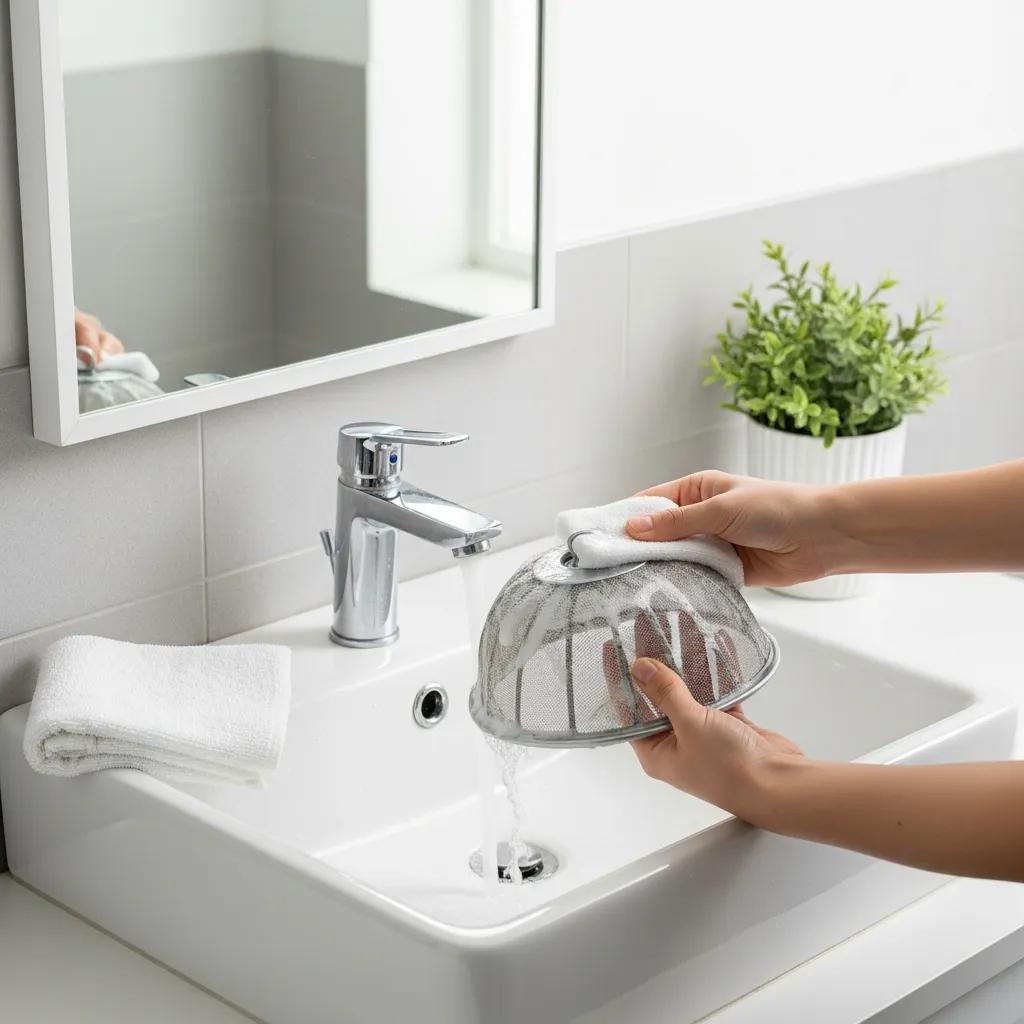
Bathroom drain care focuses on stopping hair and soap scum from building up, preventing non-flushables from entering toilet lines, and scheduling maintenance before small slowdowns become emergencies. Use hair-catchers, clean strainers and traps periodically, and never flush wipes, paper towels, or sanitary products — those items don’t break down and quickly cause blockages or push problems downstream to the main sewer. The short list below highlights routine actions homeowners can use to keep bathroom plumbing working as it should.
- Use hair-catchers in showers and over sink drains and clear them after each use so strands don’t reach the pipes.
- Run an enzyme-based cleaner monthly to digest organic residue without harming plumbing or finishes.
- Don’t flush non-flushable items and remind household members what belongs in the trash to reduce sewer-line stress.
These steps stop the most common bathroom clogs and set the stage for the hair- and soap-management tips that follow.
How Can You Prevent Hair Clogs in Shower and Sink Drains?
Stopping hair clogs combines capture, manual removal, and periodic enzyme treatment. Install a hair-catcher for showers and sinks and empty it after each use or at least weekly to keep strands out of the P-trap. If hair is visible in the trap, a plastic hook or a short hand auger can pull it out; follow up with an enzyme cleaner to remove any remaining organic film. If clogs keep returning after these steps, it may point to a deeper issue that needs a professional look — but most homes see clear improvement with screens and regular enzyme treatments.
What Are the Recommended Methods to Manage Soap Scum and Toilet Clogs?
Managing soap scum and toilet clogs means combining prevention, safe cleaning, and proper flushing habits. For soap scum, regular scrubbing and non-abrasive descalers keep mineral and fatty deposits from building up at fixture inlets and drains; monthly enzyme cleaners help dissolve organic residue inside pipes. For toilets, flush only human waste and toilet paper — put wipes, paper towels, and sanitary products in the trash. If a toilet starts to partially flush or gurgle, try a plunger or hand auger quickly and schedule a camera inspection if multiple fixtures slow down, since that pattern often shows a main-line issue rather than an isolated toilet problem.
How Do You Protect Main Sewer Lines from Clogs and Damage in Macomb Township?
Protecting the main sewer line takes watching for early warning signs, mitigating roots and scale, and scheduling professional diagnostics before the situation requires digging. Signs of main-line trouble include slow drainage across several fixtures, sewage odors near cleanouts, wet patches in the yard, and gurgling toilets — all indicate restricted flow or infiltration. Understand that tree roots seek moisture and will exploit joints in older pipes; preventive steps include keeping trees with aggressive roots away from sewer alignments, installing root barriers, and scheduling periodic inspections. The table below summarizes common causes, typical signs, and mitigation options so you can spot when to call a pro.
| Cause | Typical Sign | Prevention / Mitigation |
|---|---|---|
| Tree roots entering joints | Slow drains in many fixtures; wet yard patches | Install root barriers, remove nearby invasive trees, schedule mechanical/chemical root removal |
| Grease and scale buildup | Recurrent clogs, slow flow, odors | Regular professional cleaning, avoid pouring grease, use preventative maintenance |
| Pipe bellies or collapsed sections | Localized backups, sewage surfacing | Camera inspection, targeted repair, possible trenchless rehabilitation |
| Foreign object blockage | Sudden stoppage in one fixture | Mechanical removal and check for misuse or improper flushing |
What Are the Signs and Prevention Techniques for Tree Root Intrusion?
Tree root intrusion often shows up as recurring blockages, slow drainage across multiple fixtures, unusually lush or wet patches in the yard above the sewer line, and sometimes outdoor sewage odors. These signs mean roots are restricting flow or damaging joints. Prevent this by not planting aggressive-rooted trees near sewer lines, installing physical root barriers, and arranging periodic mechanical cutting or targeted chemical root treatment by trained technicians. Older neighborhoods with clay or poorly sealed pipes are higher risk — consider camera inspections every 18–24 months for at-risk properties. Early detection and targeted mitigation protect your sewer line and help avoid major excavation.
When Should You Schedule Professional Sewer Line Maintenance?
Call a professional when you see persistent slow drains across fixtures, recurring backups, unusual odors near cleanouts, or wet spots in the yard — those signs mean the problem is beyond simple DIY fixes. For preventive care, consider inspection and cleaning every 18–24 months for older systems or properties with mature trees nearby; this schedule lowers the chance of emergency failures and extends pipe life. Immediate service is needed after any sewage backup, sudden stoppage in multiple fixtures, or discovery of soil subsidence above the sewer run. Technicians will usually perform a camera inspection to identify the cause and recommend cleaning, root treatment, or repair based on what they see.
When Should You Choose DIY Drain Maintenance Versus Professional Services?
Deciding between a DIY fix and calling a pro depends on risk, symptom complexity, and whether a single fixture or the whole system is affected. Homeowners can safely handle routine tasks — plunging, removing visible hair, and monthly enzyme treatments — which prevent many local clogs and provide quick relief. But red flags like sewage backups, slow drains across multiple fixtures, yard seepage, foul sewage odors, or repeat clogs after DIY attempts mean it’s time for professional diagnostics. The table below compares typical DIY actions, their risk level, and when to escalate so you can decide confidently.
| DIY Action | Risk Level | Recommended Response |
|---|---|---|
| Clear visible hair from a shower strainer | Low | Keep doing this; use an enzyme cleaner monthly |
| Use a plunger on a single toilet | Low to Moderate | If it clears, monitor; if it returns, schedule an inspection |
| Run baking soda + vinegar flush | Low | Okay for light maintenance; don’t rely on it for persistent backups |
| Attempt snaking beyond foam/hand auger reach | High | Stop and call a professional to avoid pipe damage |
| Persistent backups across fixtures | Very High | Contact a licensed technician for camera inspection and cleaning |
What Simple DIY Steps Can Homeowners Take for Drain Care?
Several straightforward DIY steps keep drains working without special equipment: remove and clean strainers, pull hair with a small hook, and clear the P-trap (put a bucket underneath before unscrewing). For light organic buildup, a controlled baking soda and vinegar cycle followed by hot water can help, and weekly enzyme products digest organic films safely. Use a plunger properly on sinks and toilets and a hand auger only for short sections — avoid forcing long power snakes into pipes to prevent damage. These habits extend the time between professional visits when paired with good daily practices.
When Is It Necessary to Call Frost and Kretsch Plumbing for Expert Help?
Call Frost and Kretsch Plumbing when you hit escalation points: recurring clogs after DIY attempts, slow drains across multiple fixtures, sewage backups, signs of tree root intrusion, or visible soil or yard wetness over the sewer line. We offer sewer and drain cleaning, sewer video camera inspections, and high-pressure hydro jetting to resolve problems beyond DIY care. Our technicians are licensed and insured, and we provide 24/7 emergency service, clear upfront estimates, and a satisfaction policy designed to get your plumbing flowing again with minimal disruption. To schedule service or request diagnostics in Macomb Township and nearby counties, call 586-675-0097 or visit our business listing for local contact options and availability.
| Action | Risk | Recommended Response |
|---|---|---|
| Remove hair from drain screen | Low | Regular DIY; check monthly |
| Plunge a single fixture | Low-Moderate | Try again if needed; call a pro if it keeps recurring |
| Use enzyme cleaner monthly | Low | Good preventive maintenance |
| Persistent multi-fixture slowdown | High | Schedule a camera inspection |
| Sewage backup or yard seepage | Very High | Request emergency professional service |
How Do Advanced Technologies Like Hydro Jetting and Sewer Camera Inspections Prevent Drain Clogs?
Advanced tools pair precise diagnostics with thorough cleaning to tackle the root cause instead of just the symptom. A sewer camera pinpoints cracks, roots, bellies, and grease so technicians can choose the right fix. Hydro jetting uses high-pressure water to scour pipe walls and remove grease, scale, and roots more completely than a snake. When used together, camera inspection and hydro jetting let a technician diagnose accurately and clean safely, delivering longer-lasting results when performed by trained operators. The table below compares these techniques and shows when each is appropriate.
| Technology | What it Detects / Cleans | Use-case / Benefit |
|---|---|---|
| Sewer camera inspection | Cracks, roots, bellies, blockages | Finds the cause and exact location; reduces guesswork |
| Mechanical snaking (auger) | Breaks localized blockages | Quick fix for simple clogs; not as thorough |
| Hydro jetting | Grease, scale, roots, organic buildup | Full pipe cleaning; longer-lasting results |
What Are the Benefits of Hydro Jetting for Long-Term Drain Cleaning?
Hydro jetting blasts high-pressure water to remove grease, scale, and roots from pipe surfaces, restoring the pipe’s full diameter and cutting recurrence more effectively than snaking alone. It cleans pipe walls rather than just making a tunnel through a clog, which is why it’s effective for combined organic and inorganic deposits. When trained technicians set appropriate pressure, hydro jetting is safe for most common pipe materials and can lengthen the time between professional cleanings. The long-term payoff is fewer emergency calls, steadier flow, and lower costs compared with repeated partial fixes. Pairing hydro jetting with a camera inspection ensures the right pressure and the right target area.
How Does Sewer Camera Inspection Help Detect and Prevent Blockages?
Sewer camera inspection gives technicians a visual look inside your pipes to identify the exact cause and location of a blockage — cracks, bellies, roots, grease, or foreign objects — and to decide whether cleaning, spot repair, or replacement is needed. This approach avoids unnecessary digging by showing the problem on video and guiding the correct response. Inspections also create a record that helps technicians give clear, evidence-based recommendations and cost estimates. Regular camera checks catch small issues before they become major blockages or structural failures.
Frequently Asked Questions
What are the signs that my drains may be clogged?
Look for slow drainage in sinks or tubs, gurgling sounds from toilets, and unpleasant odors from drains. Water pooling around fixtures or wet spots in the yard can signal a main sewer issue. If multiple fixtures are slow or you have backups, address the problem quickly to avoid bigger damage and higher repair costs.
How often should I schedule professional drain inspections?
Most homeowners benefit from professional inspections every 18 to 24 months, especially for older plumbing or properties with mature trees. Regular inspections catch problems before they grow into major issues. If you notice recurring slow drains or backups, schedule an inspection sooner.
Can I use chemical drain cleaners for maintenance?
Chemical drain cleaners can temporarily clear minor clogs but aren’t recommended for regular use. They can be harsh on pipes and finishes and may cause corrosion over time. Choose enzyme-based cleaners for safer, ongoing maintenance, and rely on mechanical cleaning and good habits for long-term results.
What should I do if I notice tree roots in my sewer line?
If you suspect root intrusion — slow drains, gurgling, or wet yard patches — call for a professional inspection. Early measures include installing root barriers, removing invasive trees near the line, and scheduling root cutting or targeted chemical treatments. Acting early prevents larger repairs later.
Are there any DIY methods to prevent drain clogs?
Yes. Keep drain screens and hair catchers clean, use enzyme-based cleaners monthly, and don’t flush non-flushable items. Scrape food into the trash and run cold water with garbage disposals to help prevent grease from solidifying. These simple habits go a long way toward clog prevention.
What are the benefits of using hydro jetting for drain cleaning?
Hydro jetting uses high-pressure water to remove grease, scale, and roots from pipe walls, restoring full pipe diameter and reducing the chance of repeat clogs. It cleans the entire surface rather than just creating a path, delivering longer-lasting flow improvement compared with snaking.
How can I educate my family about proper drain usage?
Talk with family members about what should never be flushed — wipes, paper towels, and feminine products belong in the trash. Encourage scraping food scraps into the trash and using drain screens in sinks and showers. A short household reminder or posted checklist can help keep everyone on the same page.
Conclusion
Simple daily habits plus scheduled maintenance dramatically reduce drain problems and protect your plumbing investment. By adopting the routines in this guide, Macomb Township homeowners can avoid many common clogs and costly repairs. If you’d like a professional inspection, cleaning, or emergency service, Frost and Kretsch Plumbing is ready to help — call us at 586-675-0097 to schedule assistance or to get expert advice tailored to your home.