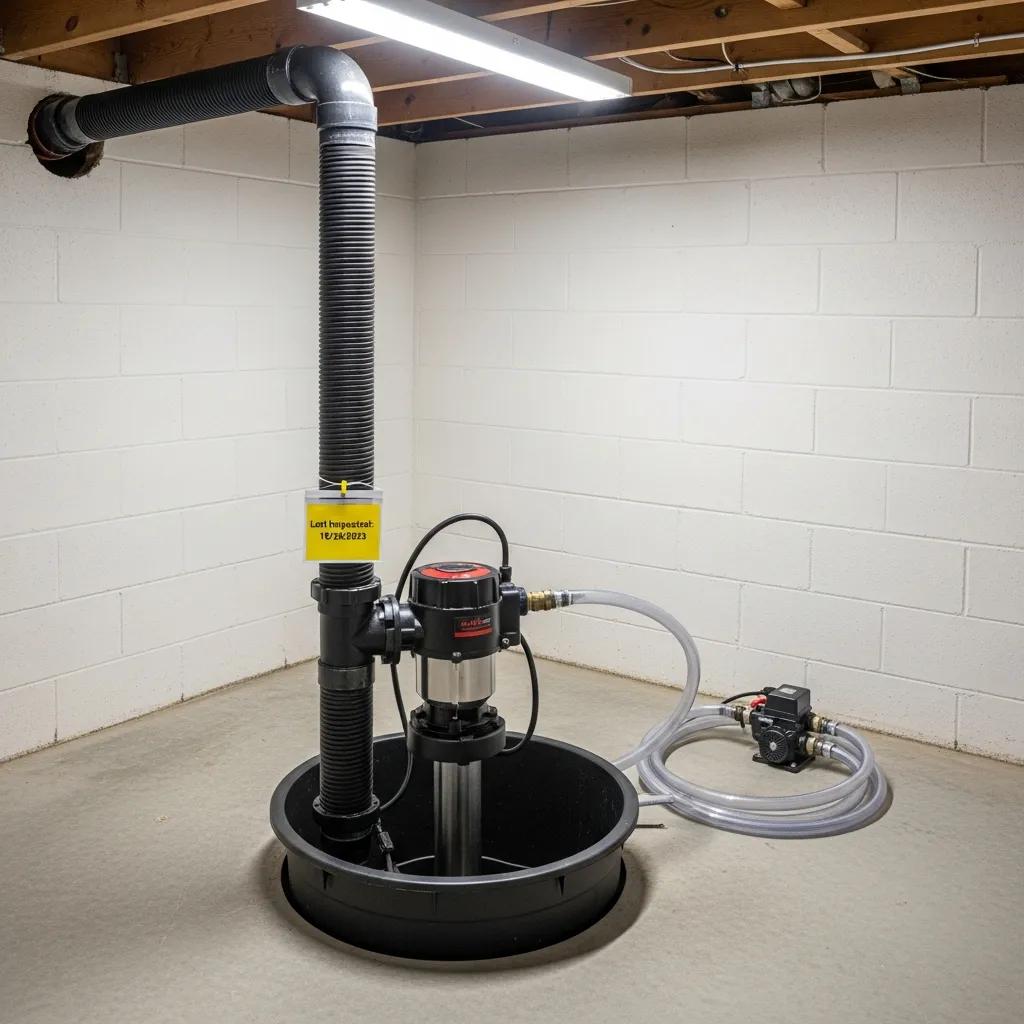
Sump Pump Repair in St. Clair Shores, MI — Fast, dependable basement protection
Homes in St. Clair Shores are more likely to see basement flooding because of Lake St. Clair, seasonal storms, and changing groundwater levels. Prompt sump pump repair and professional installation control excess water and relieve hydrostatic pressure before it damages your foundation, finishes, or belongings. This guide walks through why timely repair matters, how sump pumps and backup systems work, common warning signs of failure, and the step-by-step approach technicians use to diagnose, repair, or replace systems. You’ll get practical maintenance tips, guidance on when to add a battery backup or a sewage ejection pump, and how local conditions across Macomb, Oakland, and Wayne counties affect service needs. Use the quick checklists and comparison tables to match symptoms to actions and choose the right solutions for your St. Clair Shores basement. We explain things clearly and locally so you can make the right call when water becomes a threat.
If the sump pump is acting up right now, call Frost and Kretsch Plumbing at (586) 675-0097 — our line is open 24/7 for emergency triage and scheduling. We provide emergency response, honest, upfront estimates, and a satisfaction guarantee for area homeowners. Frost and Kretsch Plumbing serves Macomb, Oakland, and Wayne counties for sump pump repair, installation, maintenance, battery backups, and sewage ejection pump work. For current hours and recent reviews, check our Google Business Profile. This article aims to educate first; if anything here signals an urgent problem, call the number above for immediate help.
Why Is Sump Pump Repair Critical for St. Clair Shores Homes?
A working sump pump stops basement flooding by removing groundwater before it harms structure, finishes, or stored items. In St. Clair Shores, lake-influenced groundwater and local drainage patterns increase the chance of saturated soil and higher hydrostatic pressure against foundation walls, so a failing pump raises the risk of expensive repairs and mold. Quick repairs preserve structural integrity, reduce mold and indoor air issues, and prevent electrical or appliance damage from standing water. When you understand the local causes of basement intrusion, you can prioritize repairs and choose backups that match your property’s exposure.
Repairing a sump pump is preventive: it saves money over time by avoiding emergency remediation and long-term damage. Here are the top three reasons repair is important in this area.
Keep an eye on local signs that a failed pump could quickly lead to property damage — the next section explains factors that raise flood risk here.
- Lake and groundwater influence: Groundwater near Lake St. Clair can rise and enter basements when lake levels are high.
- Seasonal storms and runoff: Heavy rains and spring thaw can overwhelm exterior drainage in minutes.
- Poor grading or clogged drains: Low slopes or blocked exterior drains concentrate water at foundations.
These local drivers show why quick repairs and the right pump choice are key to protecting your basement long term.
What Local Factors Increase Basement Flooding Risks?
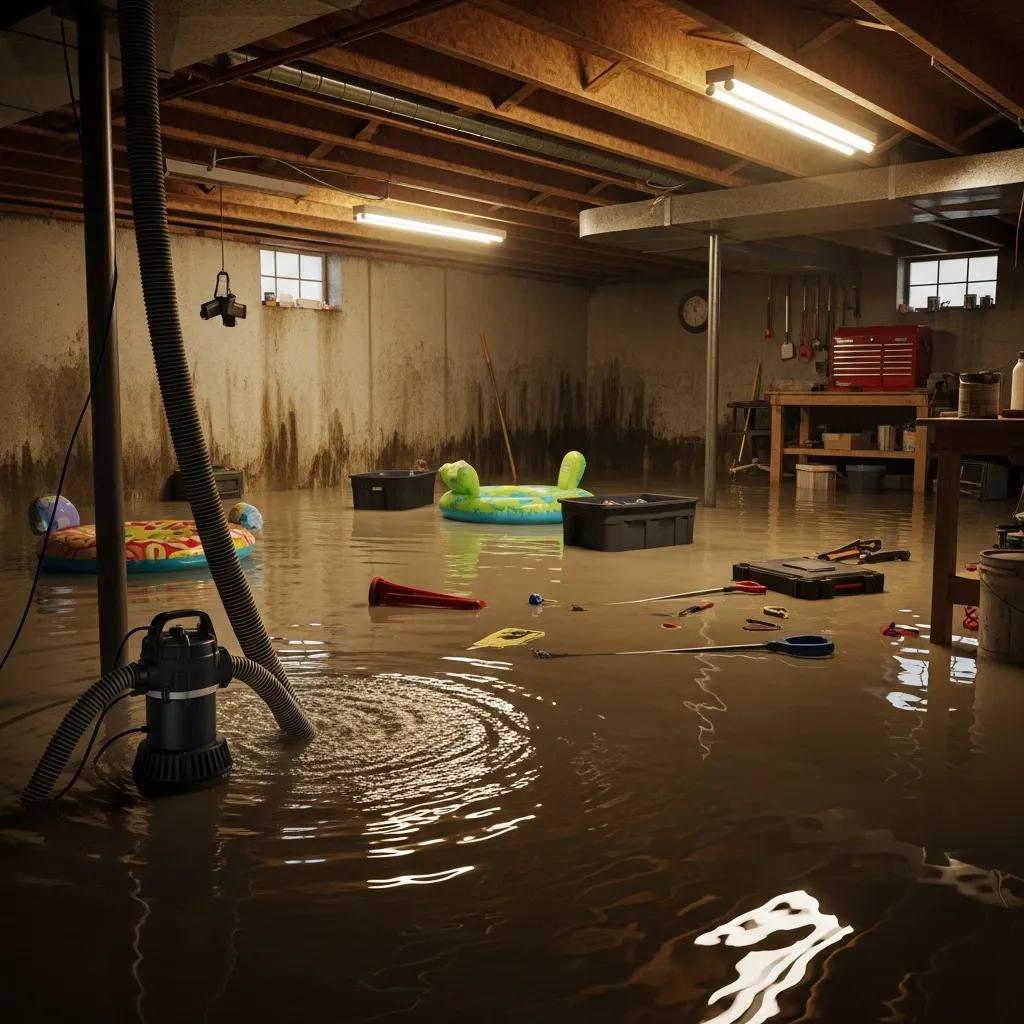
St. Clair Shores sits next to Lake St. Clair, so seasonal lake level shifts and storm surge can push the groundwater table up and keep soils saturated after heavy rain. Saturated ground lowers how much water the soil can absorb, increases lateral pressure on basement walls, and can force water through cracks and joints; in severe cases hydrostatic pressure can push water through porous concrete and unsealed penetrations. Poor lot grading, clogged catch basins, and older storm sewers can make runoff worse, turning a manageable event into basement intrusion. Knowing these local pressures helps homeowners and technicians size pumps correctly and decide if backups or extra drainage work are needed.
Once you understand local risk, the next step is knowing how a properly working sump pump keeps water out.
How Does a Functional Sump Pump Prevent Water Damage?
A sump pump system uses a pit, float switch, pump motor, discharge pipe, and check valve to sense and expel collected groundwater before it reaches damaging levels. When water raises the float, the pump motor turns on and pushes water through the discharge line away from the foundation; the check valve stops returned water from re-entering the pit. Submersible pumps sit in the pit and run quieter; pedestal pumps keep the motor out of the water and are easier to service. The right choice depends on pit size, debris, and household needs. Regular maintenance, correct discharge routing, and proper pump sizing shorten run time, reduce motor wear, and extend system life.
Even a good pump benefits from redundancy — many homes are safer with backup power or an additional ejection pump for below-grade fixtures. We cover that below.
What Comprehensive Sump Pump Services Does Frost and Kretsch Plumbing Offer?
Frost and Kretsch Plumbing provides a full suite of sump pump and sewage ejection services for St. Clair Shores homeowners: diagnostics, repair, replacement, installation, and routine maintenance that reflect local conditions. We handle routine repairs and full replacements, install battery backup systems for outages, and service sewage ejection pumps for below-grade fixtures. Our technicians perform on-site assessments and recommend either submersible or pedestal models, the right motor size, and discharge routing tailored to your property. If you spot an urgent failure, call our 24/7 line at (586) 675-0097 to request immediate service and a clear, upfront estimate.
The table below summarizes typical services so you can match needs to likely benefits and lifecycle considerations.
| Service Type | Typical Use Case | Expected Benefit |
|---|---|---|
| Repair (diagnostics & part replacement) | Intermittent failures, odd noises, reduced discharge | Quickly restores function and delays full replacement |
| Installation (submersible vs pedestal) | New systems or complete replacements | Right sizing and placement improve performance and life |
| Maintenance (inspection, cleaning) | Seasonal checkups and preventative care | Fewer emergencies and a longer pump lifespan |
| Battery backup systems | Power outage protection | Keeps pumps running during storms and grid failures |
| Sewage ejection pump service | Basement bathroom or laundry | Prevents sewage backups and protects health |
This comparison helps you prioritize repairs, upgrades, or adding a backup based on property vulnerability and use.
Wondering which repairs and installs are most common and when to schedule them? The next section gives clear examples and timing recommendations.
Which Repair, Installation, and Maintenance Services Are Available?
Service calls begin with a systematic diagnostic: we check the electrical supply, float switch, impeller condition, and the discharge path before recommending repair or replacement. Common fixes include replacing a stuck float, cleaning the impeller, swapping a failed motor, replacing a check valve, and clearing clogged discharge lines; we also address rusted pits and damaged seals. Installation work covers choosing the correct submersible or pedestal pump, setting float heights properly, installing a reliable check valve, and routing discharge to a code-approved outlet away from the foundation. Routine maintenance plans usually include annual inspections, pit cleaning, and operational testing to cut runtime and reduce emergency failures.
Here’s a short maintenance checklist so you know what to expect between visits.
- Annual inspection: Confirm float movement, motor start-up, and discharge condition.
- Pit cleaning: Remove sediment and debris that can jam the pump or float.
- Backup testing: Load-test battery backups to verify runtime and health.
Keeping to a maintenance schedule improves reliability and lowers long-term ownership costs.
What Are the Benefits of Battery Backup and Sewage Ejection Pumps?
Battery backup systems protect your sump pump during power outages — a common time for heavy runoff and storm damage. Properly sized batteries can run a pump long enough to bridge temporary outages or until mains power returns. Sewage ejection pumps lift wastewater from below-grade fixtures into the sanitary line, preventing raw sewage backups and health hazards when bathrooms or laundry are in the basement. Both systems need correct installation and periodic maintenance to work reliably; technicians will discuss runtime, service intervals, and battery replacement when recommending a solution.
Knowing the differences helps you decide when to add redundancy. The next table highlights key trade-offs.
| Option | Typical Scenario | Key Consideration |
|---|---|---|
| Battery backup | Storm-related power loss | Runtime and recharge speed |
| Water-powered backup | When no electrical reliance is desired | Needs sufficient municipal water pressure |
| Sewage ejection pump | Basement bathroom or laundry | Correct venting and sanitary connections |
This table makes it easier to compare backups and ejection options and their main trade-offs.
What Are the Common Signs Indicating You Need Sump Pump Repair?
Finding problems early keeps small issues from becoming emergencies. Watch for grinding or rattling sounds, nonstop or very frequent cycling, failure to start, and visible rust, leaks, or bad odors near the pit. Some problems can wait for a scheduled repair; others—like a pump that won’t start during heavy runoff—need immediate attention to avoid flooding. Regularly check power, float movement, and discharge routing so you catch many problems before water causes damage. Below are the most actionable warning signs and a quick homeowner response.
Use these signals to choose between simple checks you can do yourself and calling a pro right away.
- Unusual noises: Grinding or rattling usually means debris or bearing failure — schedule a repair.
- Continuous running or frequent cycling: Could mean an undersized pump, switch issue, or excessive inflow.
- Pump won’t start: Check power and the breaker; if the motor is unresponsive, call a technician.
- Visible leaks, rust, or odors: Signs of corrosion or sewage issues that need prompt professional attention.
Spotting these symptoms quickly shortens response time and helps prevent structural or health problems.
How to Identify Sump Pump Failures and Malfunctions?
Begin with simple homeowner checks: confirm the outlet and breaker are powered, ensure the float can move freely, and look for blockages or frozen sections in the discharge line. If the pump hums but doesn’t pump, the motor may be seized or the impeller clogged and will need a technician. Persistent short cycling often points to an undersized pump or a failing switch — both require service. If you notice sewage odors, unusual deposits, or contaminated standing water, stop DIY attempts and call a professional experienced with sewage ejection systems to avoid exposure and improper handling.
These checks help decide whether to make an immediate service call. When in doubt, contact a licensed technician to avoid further damage.
When Should You Consider Sump Pump Replacement in St. Clair Shores?
Residential sump pumps typically last 7–10 years depending on use. Repeated failures, frequent repairs, or noticeable performance decline usually mean replacement is the better choice. Local factors — like heavy seasonal use from lake-influenced groundwater and frequent storms — can shorten lifespan and justify replacing a pump sooner, especially if it runs almost continuously during peak runoff. Consider replacement when repair costs approach replacement cost, when the motor overheats, or when pump capacity no longer meets drainage needs because of property changes or recurring flooding. Upgrading to a higher-capacity submersible pump with a battery backup is often the most cost-effective option for homes with persistent intrusion.
An on-site diagnosis will determine whether repair or replacement gives the best reliability and lifecycle cost for your St. Clair Shores property.
| Symptom (What you see) | Likely cause | Recommended action |
|---|---|---|
| Pump runs constantly | Undersized pump, stuck float, or heavy inflow | Schedule diagnostic service; consider a larger pump |
| Loud grinding noise | Debris in impeller or bearing failure | Turn off power and call a technician |
| No activation | Power loss, burned motor, or switch failure | Check breaker; call for emergency service |
| Sewage odor or backup | Sewage ejection pump problem | Call a specialist; avoid contact with contaminated water |
How Does Frost and Kretsch Plumbing Ensure Quality and Emergency Response?
We prioritize fast emergency response, clear estimates, and licensed, insured technicians so homeowners feel confident during stressful flooding events. Our 24/7 emergency service lets us triage and dispatch quickly for urgent sump pump failures that could cause costly damage. Licensed technicians and master plumber oversight ensure repairs and installs meet code and perform as expected. Our satisfaction guarantee gives homeowners a clear recourse if we don’t meet expectations. For urgent needs in St. Clair Shores, calling (586) 675-0097 starts the emergency intake and dispatch process so we can get help to your property as soon as possible.
These quality measures matter because timely, properly done repairs reduce long-term risk far more than rushed or incomplete fixes.
What Makes Frost and Kretsch Plumbing the Trusted Local Expert?
Serving Macomb, Oakland, and Wayne counties, our technicians are licensed, insured, and experienced with Lake St. Clair–influenced flooding scenarios and local drainage challenges. We provide clear, upfront estimates so you can compare repair versus replacement without surprise costs. Our local focus and satisfaction guarantee make it easier for homeowners to decide on upgrades like battery backups or sewage ejection systems when they’re needed.
Clear communication and local experience help homeowners choose the right long-term protections for their basements.
How Is 24/7 Emergency Sump Pump Service Delivered in St. Clair Shores?
Emergency service starts with a triage phone call to determine the failure, flood risk, and the right crew response; we prioritize stops that contain active water intrusion first. On arrival, technicians do a quick assessment, isolate hazards (including shutting off power if needed), install temporary pumps or hoses to remove standing water, and set temporary diversions to limit further intrusion. After temporary mitigation, the team runs diagnostics to find the root cause and presents permanent repair options with a clear estimate. We then schedule permanent repairs, recommend preventative upgrades like battery backups, and advise on maintenance to cut future emergencies.
Our emergency workflow balances fast mitigation with a clear path to permanent repairs so you lose less and recover faster.
What Is the Step-by-Step Process for Sump Pump Repair and Installation?
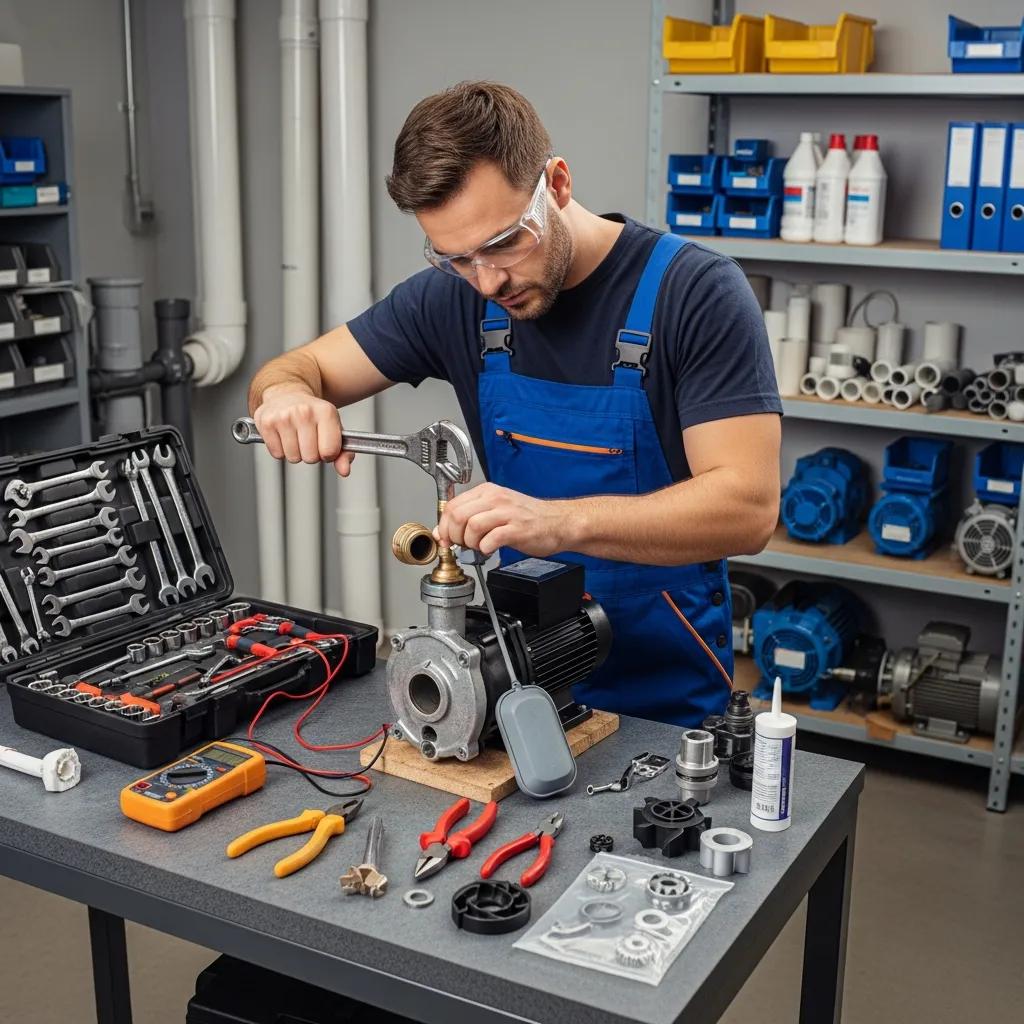
Knowing the repair and installation workflow eases homeowner stress and clarifies decision points during service calls. The process generally follows four phases: intake and triage, on-site diagnosis, repair or replacement with homeowner approval, and final testing plus homeowner education. Each phase is documented with a transparent estimate before permanent work starts. Technicians explain expected benefits and lifespan for parts or new equipment. After service we test the system under real conditions and give homeowners simple maintenance steps and warning signs to watch for.
The numbered list below shows the typical steps technicians follow during a sump pump visit.
- Intake and triage: Determine urgency and dispatch the appropriate crew.
- On-site diagnosis: Inspect power, float, impeller, check valve, and discharge path.
- Repair or replacement: Replace damaged components or install a new, properly sized pump.
- Testing and education: Demonstrate operation, document the work, and advise on upkeep.
These steps create a predictable path from reporting a problem to restoring protection, which helps homeowners feel confident about the repair process.
How Are Sump Pump Issues Diagnosed and Resolved?
Our technicians follow a diagnostic checklist: verify electrical supply and breaker status, test float switch movement, inspect the impeller and motor for wear or clogs, check the check valve and discharge path for obstructions, and evaluate pit condition. Solutions may include impeller cleaning, float switch replacement, check valve swaps, motor repair or replacement, or installing a larger-capacity pump if inflow exceeds capability. For sewage ejection systems, we add sanitation-focused checks to ensure valves, vents, and discharge lines meet health and code requirements. We explain findings and present clear repair versus replacement options with expected outcomes and lifespans.
Transparent diagnostics let you pick a repair strategy that balances upfront cost with long-term reliability.
What Preventative Advice Helps Extend Sump Pump Lifespan?
Preventative care includes annual inspections, cleaning the sump pit of sediment and debris, testing float operation and backup batteries, and confirming discharge lines are clear and routed away from the foundation. Seasonal prep — especially before spring thaw and storm seasons — reduces surprises during heavy runoff influenced by Lake St. Clair. Using a correctly sized pump and adding a battery backup where appropriate lowers runtime stress and limits wear. Service plans or annual tune-ups with a licensed technician provide regular attention that prevents emergency failures and protects warranties and guarantees.
Staying proactive lowers total ownership cost and keeps emergency calls to a minimum.
| Step | Technician action | Homeowner benefit |
|---|---|---|
| Intake & triage | Quick phone assessment and dispatch | Faster response when time matters |
| Diagnosis | Systematic checks of power, float, impeller, and valve | Clear choice between repair and replacement |
| Repair/Install | Replace parts or install a new pump | Restored reliability and proper capacity |
| Test & educate | Operational testing and homeowner instruction | Confident use and reduced future risk |
Frequently Asked Questions
What are the signs that my sump pump needs immediate attention?
Watch for a few urgent signs: loud grinding or rattling, nonstop running, failure to start during heavy rain, or visible rust, leaks, or foul odors near the pit. If you see any of these, call a professional right away to avoid basement flooding and costly damage.
How can I maintain my sump pump to ensure its longevity?
Regular maintenance is the easiest way to extend pump life. Do an annual inspection to check the float switch, clean the sump pit of debris, and make sure the discharge line is clear. Test backup batteries before storm season. Scheduling routine maintenance with a licensed technician catches problems early and keeps the system reliable.
What should I do if my sump pump is running continuously?
Continuous running can mean an undersized pump, a stuck float, or heavy groundwater inflow. First, check the power and make sure the float isn’t blocked. If it keeps running, call a technician for a diagnostic to identify the cause and recommend a fix.
Are there different types of sump pumps, and how do I choose the right one?
Yes — the main types are submersible and pedestal. Submersible pumps sit in the pit and run quietly; pedestal pumps keep the motor above the pit and are easier to service. The best choice depends on pit size, water volume, and debris levels. A professional can recommend the right model for your needs.
What is the role of a sewage ejection pump, and do I need one?
A sewage ejection pump lifts wastewater from below-grade fixtures (like a basement bathroom or laundry) into the home’s sanitary sewer line. If fixtures sit below the main sewer line, an ejector pump is essential to avoid sewage backups and health risks. We can assess your layout and recommend whether you need one.
How often should I consider replacing my sump pump?
Expect 7–10 years of service under normal use, but heavy or continuous use can shorten that. If you have repeated failures, frequent repairs, or falling performance, it’s time to consider replacement. If your pump runs non-stop during storms, upgrading to a higher-capacity unit with backup power is often the better long-term choice.
What should I expect during a sump pump service visit?
A service visit usually includes an assessment of pump operation, electrical checks, float switch and discharge pathway inspection, and a diagnostic report with recommended repairs or replacement. After repairs, the technician tests the system and explains maintenance steps to help prevent future issues.
How Much Does Sump Pump Repair and Replacement Cost?
Costs depend on parts, labor, accessibility, pump type, and whether a battery backup or sewage ejection pump is involved — an on-site diagnosis is the only way to give an accurate estimate. Factors include motor replacement, pit repairs, rerouting discharge, or upgrading to a larger-capacity or submersible model. Frost and Kretsch Plumbing provides transparent, upfront estimates after inspection so homeowners can compare repair versus replacement without surprises. Schedule a diagnostic visit for a reliable cost recommendation for your St. Clair Shores property.
Prompt diagnosis helps you avoid emergency damage and find the most cost-effective solution.
Why Is a Battery Backup Sump Pump Important for Local Homes?
A battery backup keeps your sump pump running during power outages that often occur with severe storms and heavy runoff. Without backup power, a working primary pump is useless in an outage — and these outages often coincide with the worst inflow. A battery backup or secondary pump gives you redundancy when it matters most and buys time to arrange permanent repairs. Homes near the lake especially benefit because groundwater can remain high even after power returns. A technician can help size the backup to meet your runtime needs and maintenance expectations.
Choosing the right backup balances runtime, battery capacity, and upkeep; we can size and recommend the right option for your home.
When to call emergency service: If water is rising, the pump won’t activate, or you have a sewage backup — call immediately.
When to schedule routine service: Annual inspections or after any event of heavy pumping.
When to consider upgrades: Repeated repairs, frequent cycling, or increased runoff patterns are signs to upgrade.
If you decide you need service after reading these FAQs, call Frost and Kretsch Plumbing at (586) 675-0097 for emergency or scheduled help. Our team offers 24/7 response, licensed technicians, clear estimates, and a satisfaction guarantee for local homeowners.
| Question | Short answer | Next step |
|---|---|---|
| Is immediate repair necessary? | Yes, if water is rising or the pump will not run | Call emergency service right away |
| Will a battery backup prevent flooding? | It greatly reduces flood risk during outages | Discuss runtime needs with a technician |
| How often should I maintain my pump? | Annual inspection with seasonal checks | Schedule routine maintenance to avoid emergencies |
Conclusion
Keeping your sump pump in good working order is one of the best ways to protect your St. Clair Shores home from flooding and water damage. Learn the local risks, watch for warning signs, and stay on a regular maintenance plan to avoid costly repairs. Don’t wait for an emergency — schedule an inspection or service with Frost and Kretsch Plumbing today. Our experienced team is ready to help you keep your basement dry and your home protected.