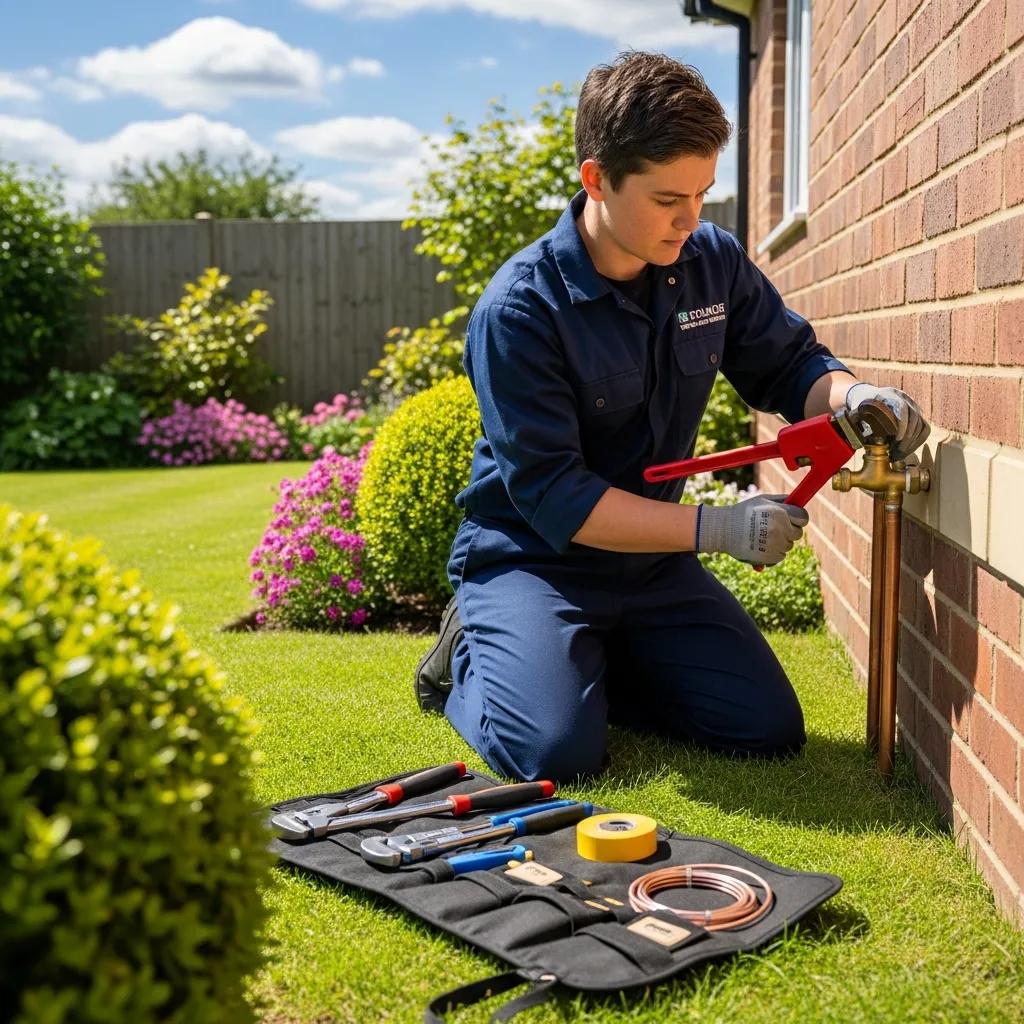
Outdoor Plumbing Services in Rochester Hills, MI: Installation, Repair & Maintenance You Can Rely On
Outdoor plumbing includes the water systems outside your home — hose bibs, irrigation hookups, yard drainage, backflow preventers, and emergency exterior pipe repair in Rochester Hills, MI. These services protect your home from water damage, keep your landscaping healthy, and guard drinking water from contamination. In our area the freeze–thaw cycle, uneven irrigation coverage, and poor drainage can lead to foundation and yard problems. Preventive maintenance, timely repairs, and code‑compliant testing are the best defenses. This guide walks Rochester Hills homeowners through the outdoor plumbing services to expect, how irrigation and backflow testing protect your property and health, drainage fixes that stop standing water, and emergency steps for burst exterior lines. You’ll get practical diagnostic checks, the benefits of smart irrigation and frost‑free spigots, when to call a pro, and how to schedule service across Macomb, Oakland, and Wayne County. We use local climate realities and industry best practices so you can prioritize work by risk and value.
What Outdoor Plumbing Services Are Essential for Rochester Hills Homeowners?
Common outdoor services for Rochester Hills homes include hose bib replacement, outdoor faucet repair, irrigation system service, backflow testing, French drains and sump pump discharge management, winterization, and exterior pipe excavation when needed. These jobs seal leaks, redirect runoff, prevent backflow contamination, and restore pressure and flow to irrigation systems — all actions that protect foundations and cut water waste. Early warning signs like pooling, dripping spigots, uneven irrigation zones, or frozen fittings mean it’s time for professional evaluation to avoid bigger repairs. Below is a quick list of core services and short descriptions to help you decide what to tackle first.
Essential outdoor plumbing services for Rochester Hills homeowners:
- Hose bib and outdoor faucet replacement: Restores dependable water access and reduces freeze risk with frost‑free spigot options.
- Irrigation system repair and valve servicing: Stops leaks, evens out zones, and improves turf health while cutting water bills.
- Backflow testing and preventer maintenance: Protects your potable water and keeps you compliant with local rules.
- French drains and yard drainage installation: Moves groundwater away from foundations to prevent seepage.
- Sump pump discharge and discharge‑line management: Routes sump output safely so basements stay dry.
Each service addresses a different failure mode common in Michigan’s freeze–thaw climate. Knowing which one applies helps you choose basic troubleshooting or call a pro. The table below shows typical problems and fixes to help with quick self‑diagnosis before you schedule service.
| Entity | Typical Problem | Typical Solution | When to Call |
|---|---|---|---|
| Hose bib (spigot) | Leaks, low flow, frozen or broken stem | Replace with frost‑free spigot or repair packing nut | If the leak keeps running after shut‑off or freeze damage is visible |
| Irrigation system | Broken heads, valve leaks, zone imbalance | Replace heads, repair valves, rebalance zones, tune smart controller | If several zones fail or repair requires excavation |
| Backflow preventer | Failed test, worn seals | Repair or replace RPZ / double‑check and recertify | After a failed annual test or if corrosion/leaks are visible |
| Drainage / French drain | Standing water, soggy yard, foundation seepage | Install subsurface French drain or regrade yard | If pooling returns after rain or occurs near the foundation |
| Sump pump discharge line | Improper routing, freezing, water re‑entry | Re‑route discharge, add heat trace, install proper termination | If water pools near foundation or pump cycles excessively |
Use this comparison to pinpoint the likely fix and whether excavation, testing, or replacement is needed. Next, we’ll focus on how replacing a hose bib improves outdoor water access and freeze protection.
How Does Hose Bib Replacement Improve Your Outdoor Water Access?
Replacing a hose bib fixes common failures — corrosion, worn packing, and freeze damage — by installing a new spigot that gives you leak‑free operation and steady water flow. A frost‑free spigot moves the valve seat inside the heated area of your home so trapped water can’t freeze in the stub, lowering the chance of winter rupture. Installation usually requires cutting a small section of exterior wall or siding, shutting the branch valve, removing the old bib, and fitting a new unit with the right slope and insulation; expect minor landscaping disruption. Many frost‑free units are also backflow‑friendly for irrigation tie‑ins, so replacing a damaged bib improves both durability and safety. Knowing these benefits makes it easier to spot when a faucet needs repair or a full replacement.
What Are the Signs You Need Outdoor Faucet Installation or Repair?
Look for persistent drips, visible corrosion on the spigot, weak flow, or pooling under the faucet — these are clear signs it’s time for repair or replacement to avoid water waste and possible foundation issues. Quick checks homeowners can do:
- Shut off the indoor isolation valve, remove any hoses, and watch the stem and packing nut. If water still flows or the valve is stiff, the seals are likely bad.
- If one bib has low pressure while others are normal, expect a localized blockage or damaged supply line that needs inspection — cracked fittings from freezing require immediate replacement to prevent underground leaks.
Visible damage, recurring leaks, or seasonal freeze problems mean it’s safest to call a licensed outdoor plumbing technician to limit property damage.
How Can Irrigation System Repair Enhance Your Rochester Hills Landscape?
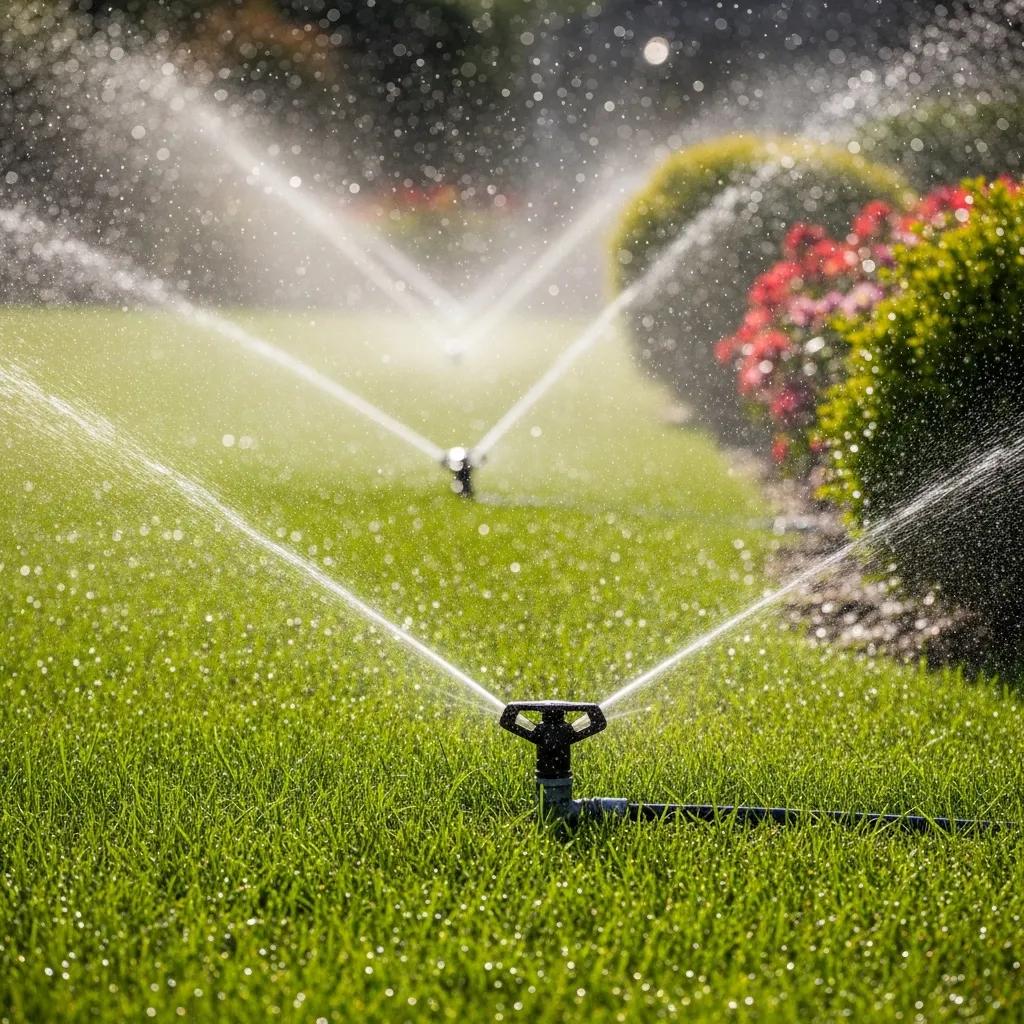
Irrigation repair restores even water distribution across lawns and planting beds, promoting healthier turf, fewer dry spots, and lower overall water use through better coverage and less runoff. The fix is simple: stop leaks, replace failed sprinkler heads, and balance zone run times so each area gets the correct amount of water. Adding smart irrigation—weather‑based controllers and soil sensors—further cuts waste by adjusting schedules for local conditions, often producing measurable savings across Rochester Hills’ changing seasons. Use the short diagnostic list below to prioritize irrigation work and decide when spot repairs are enough or full line replacement is needed.
- Puddling or pooling near sprinkler heads: Likely a line leak or misaligned emitter.
- Dry patches despite scheduled runs: Usually broken heads, blocked nozzles, or pressure problems.
- Overspray onto driveways or sidewalks: Heads need adjustment, different nozzles, or zoning changes.
These signs indicate whether a targeted repair will do or if a more extensive service is needed for long‑term performance. The next section covers common irrigation diagnostics and how technicians set priorities on a service visit.
What Common Issues Affect Irrigation Systems in Rochester Hills?
Irrigation problems often include damaged sprinkler heads, leaking underground lateral lines, valve faults, and controller failures — all of which disrupt even coverage and waste water. Michigan’s freeze–thaw cycles can crack plastic pipe and pop‑up assemblies, while aging solenoids and valves can stick or leak, causing zones to run constantly or not at all. Proper diagnosis uses pressure testing, running a head‑by‑head inspection, and checking electronic valves to decide if a spot repair or pipe replacement is most cost‑effective. Techs usually prioritize leaks that hurt landscape health or cause erosion, then address controller and valve reliability to prevent repeat calls.
How Does Smart Irrigation Integration Save Water and Costs?
Smart controllers use local weather and soil‑moisture data to change watering schedules, avoiding runs after rain and cutting back on cool or cloudy days. That adaptive approach typically reduces residential water use by 20–50%. Smart systems adjust run times by zone based on evapotranspiration, plant type, and slope so each area gets the right amount of water. They also provide remote monitoring and fault alerts so leaks or valve failures are found and fixed sooner. Homeowners looking to upgrade should check compatibility to see whether a reprogram or a full controller swap — with new valves and sensors — is needed.
Why Is Backflow Testing Critical for Rochester Hills Outdoor Plumbing Safety?
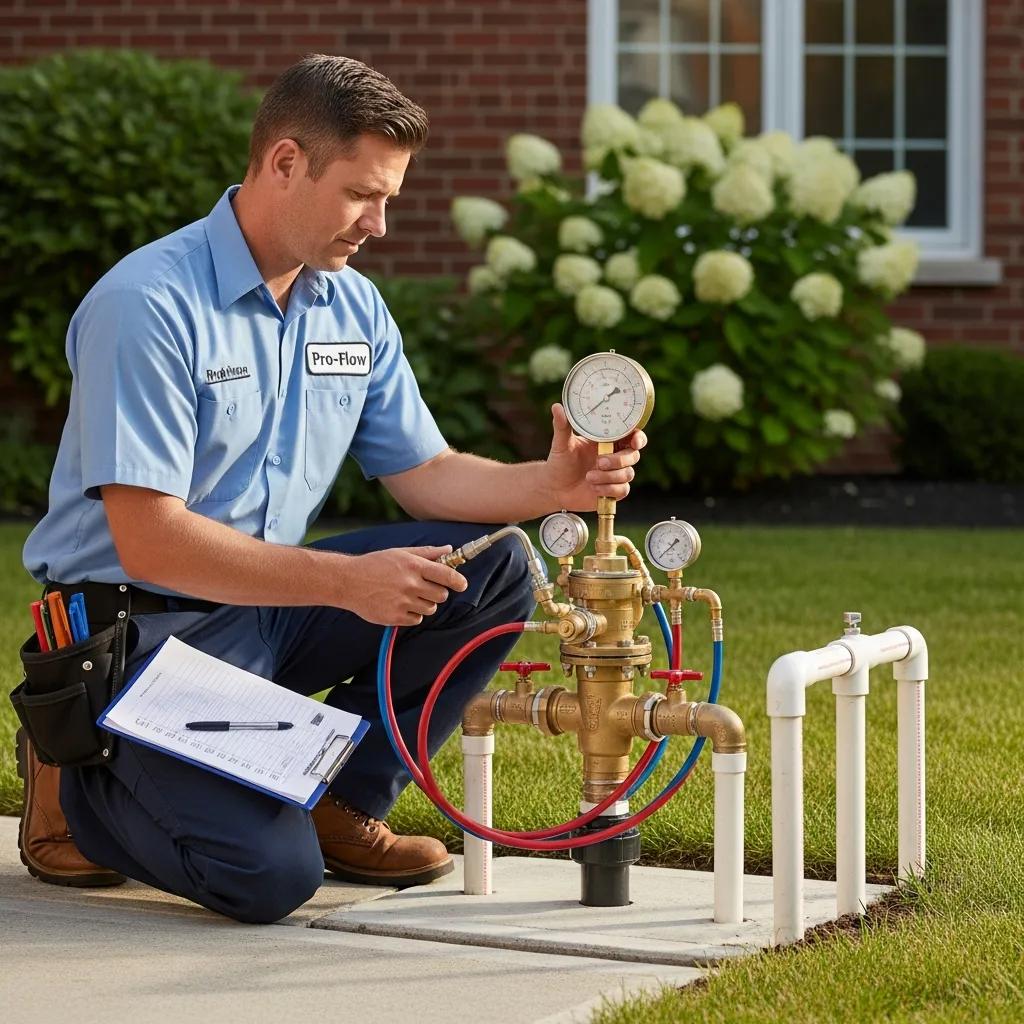
Backflow testing makes sure your preventer stops irrigation or system water from flowing back into the drinking supply, protecting public health and keeping you compliant with local rules. A backflow device lets flow pass one way and closes if pressure reverses; regular tests catch worn seals, stuck check valves, or debris that would let contaminants through. Municipalities often require annual testing for irrigation and commercial devices because failures can introduce fertilizers, pesticides, or soil into potable lines. A passed test lowers contamination risk and legal exposure. The table below compares common device types, when they’re used, recommended testing cadence, and homeowner benefits so you can identify what you may have and why annual checks matter.
| Device Type (RPZ/Double Check) | Use Case | Testing Frequency | Key Benefit |
|---|---|---|---|
| Reduced Pressure Zone (RPZ) | High‑hazard irrigation or commercial connections | Annual testing, plus after repairs | Strong protection against contaminants entering potable water |
| Double-Check Valve Assembly | Low‑to‑moderate hazard applications | Annual testing recommended | Reliable protection for many residential irrigation systems |
| Atmospheric Vacuum Breaker (AVB) | Basic anti‑siphon protection for hose bibs | Test after installation and annually if local code requires | Cost‑effective protection for non‑continuous pressure points |
This comparison shows why device choice and routine testing are both safety and compliance measures. A failed test usually means repair and prompt retesting to restore certification. With device types and schedules clear, homeowners can plan inspections and repairs to keep outdoor plumbing safe.
What Is a Backflow Preventer and How Does It Protect Your Water Supply?
A backflow preventer — like an RPZ or double‑check valve — stops contaminated water from flowing back into your drinking supply by using check valves and pressure differentials. It’s typically installed at the irrigation service entrance or near equipment that could introduce contaminants, and relief ports vent if upstream pressure drops. Signs you need service include visible leaks, stuck valves, or a failed test result; even small failures can allow contaminants during pressure swings. Knowing how the device works makes the case for yearly inspections and timely repairs to protect water quality.
How Often Should You Schedule Backflow Testing in Rochester Hills?
Most municipalities and water authorities expect annual backflow testing and often require proof of a passed test. Scheduling yearly checks keeps you in line with local requirements and reduces the chance of lapses in certification. During a test a certified technician connects gauges, simulates pressure conditions, checks for leaks or valve faults, and documents the results. If the device fails, repairs and a follow‑up test are required. Expect a brief inspection window, a clear report, and an estimate for any needed work. Scheduling tests before the irrigation season helps catch problems before systems are in heavy use.
What Outdoor Drainage Solutions Are Available for Rochester Hills Properties?
Drainage solutions for Rochester Hills yards include French drains, trench drains, regrading, downspout rerouting, and sump pump discharge management — each aimed at a specific water entry path. French drains intercept subsurface water, trench drains handle surface runoff, and downspout and discharge work prevent roof or sump water from returning to the foundation area. The right choice depends on the source: standing water in low spots usually needs surface channels or regrading, while persistent foundation seepage often calls for a subsurface French drain. The table below compares solution types, best scenarios, installation notes, and expected results to help you choose the right intervention.
| Solution Type | Best For (situation) | Installation Considerations | Expected Outcome |
|---|---|---|---|
| French drain | Subsurface water and foundation seepage | Excavation, perforated pipe, gravel, and a proper outlet | Redirects groundwater away from the foundation and lowers local water table |
| Trench drain | Surface runoff across patios or driveways | Linear channel, grate, and tie‑in to storm outlet | Prevents surface pooling and channels runoff to safe discharge points |
| Downspout re-routing | Roof runoff causing erosion or pooling | Extend piping away from foundation and maintain positive slope | Reduces foundation saturation and erosion near the structure |
| Sump pump discharge management | Basements with active sump pumps | Route discharge to a lawful outlet, consider freeze protection | Stops re‑entry of pump water and lowers basement moisture |
Picking the right drainage fix starts with diagnosing whether water is surface or subsurface and checking local outlet rules; often a mix of solutions gives the best long‑term protection. The section below explains how French drains work and what maintenance to expect after installation.
How Do French Drains and Yard Drainage Systems Prevent Water Damage?
A French drain reduces water damage by catching subsurface flow with a perforated pipe set in gravel and channeling it to a safe outlet, lowering hydrostatic pressure against foundations and reducing saturated soils. Proper installation needs a correctly graded trench, an outlet or dry well, and filter fabric to keep silt out. When sized and installed correctly, French drains are durable solutions for recurring seepage. Maintenance is mostly keeping outlets clear and checking grading; if silt builds up, flushing or repairs may be needed. For properties with repeated foundation moisture, a French drain paired with surface fixes like regrading and downspout routing gives the most complete protection.
When Is Sump Pump Discharge Line Management Necessary?
Sump pump discharge management is needed when discharge routes water back toward the foundation, freezes in winter, or discharges where it creates a nuisance for neighbors. Proper management means routing water to an approved outlet with a consistent slope, using insulated or heat‑traced pipe where freeze is likely, and terminating so water disperses away from the house. Poor setups can send water back into the foundation or saturate shallow soils. Call a pro when routing requires excavation, when pipes freeze, or when local codes govern acceptable discharge. Good discharge management reduces repeat basement moisture and extends the life of the sump system.
How Does Emergency Outdoor Plumbing Repair Protect Rochester Hills Homes?
Emergency outdoor plumbing repair addresses sudden failures — burst exterior pipes, major irrigation breaks, or frozen fittings — that can quickly cause structural damage, yard erosion, and contamination risks if not stopped. Immediate homeowner steps include shutting off the main or branch isolation valve, keeping water away from foundations and basements, and cutting power in affected areas to avoid electrical hazards; these actions limit immediate damage while you call for help. Emergency pros focus on fast diagnostics, temporary stabilization (clamps, bypasses), and planning permanent repairs that remove the root cause. Below is a prioritized emergency checklist you can follow while waiting for a licensed technician.
- Isolate water: Close the nearest exterior or main shut‑off valve to stop flow.
- Protect interiors: Move belongings, lay down towels or buckets, and divert water away from foundations.
- Avoid hazards: Stay away from electrical panels and wet outlets; do not touch energized equipment.
- Document and call help: Photograph damage for records and contact emergency plumbing services right away.
These steps limit further harm and give technicians the information they need for an effective repair. The following subsections explain quick actions for burst pipes and the value of 24/7 emergency response.
What Are the Steps to Handle Burst Outdoor Pipes Quickly?
If you find a burst outdoor pipe, first shut off the nearest isolation valve or the main shut‑off to stop water flow and limit intrusion. Protect structures by diverting water away from foundations with sandbags or temporary trenches and move valuables and irrigation components out of the way; containment reduces interior damage and erosion. Avoid electrical hazards — keep people away from powered devices and contact an electrician if water reaches electrical systems. After stabilizing the scene, document visible damage and be ready to meet the technician to discuss permanent repair options.
How Does 24/7 Emergency Service Minimize Outdoor Plumbing Damage?
Rapid emergency response shrinks repair scope by stabilizing the failure fast — temporary clamps, bypasses, or controlled shutdowns often prevent major excavation or interior water damage that can follow prolonged leaks. A quick pro diagnosis determines whether a temporary fix protects the property until a scheduled repair or whether immediate replacement is required. When choosing emergency providers, look for licensed technicians, clear pricing, and workmanship guarantees to avoid surprise costs and repeat failures. Fast action plus an experienced emergency team usually shortens recovery time, lowers repair expense, and preserves both landscape and structure.
Frost & Kretsch Plumbing provides 24/7 emergency outdoor plumbing response with licensed technicians and transparent pricing to stabilize and repair urgent exterior plumbing failures across Macomb, Oakland, and Wayne counties.
Frequently Asked Questions
What are the potential consequences of neglecting outdoor plumbing maintenance?
Skipping outdoor plumbing upkeep can lead to foundation damage, higher water bills from leaks, and possible health risks if backflow contaminates potable lines. Small issues often grow into expensive emergencies, and poor drainage can erode soil and harm landscaping. Regular checks catch problems early and keep systems running efficiently, saving time and money.
How can I identify if my drainage system is functioning properly?
Watch your yard after heavy rain. Persistent pooling, slow drains, or eroded areas indicate blockages or poor grading. Inspect downspouts and visible drain outlets for clogs or damage. If problems persist, call a professional for a full assessment and recommended repairs.
What is the importance of winterizing my irrigation system?
Winterizing prevents freeze damage to pipes and components. Leftover water can freeze, expand, and crack lines or fittings, creating costly spring repairs. Winterization normally means draining the system and blowing out remaining water with compressed air so your irrigation is ready for the next season.
How often should I have my outdoor plumbing inspected?
We recommend an annual inspection, ideally before the irrigation season. Routine checks find leaks, backflow issues, and drainage problems early. If you notice pooling, low pressure, or unusual sounds, schedule an inspection sooner — proactive maintenance saves money and prevents emergencies.
What are the benefits of installing a frost-free spigot?
Frost‑free spigots reduce freeze‑related failures by keeping the valve seat inside the heated part of your home, significantly lowering the chance of burst pipes. They provide reliable year‑round water access and often support backflow protection for irrigation connections, making them a durable, safety‑minded upgrade.
What should I do if my irrigation system is not working efficiently?
Start with a visual check for broken heads, leaks, or misaligned emitters and confirm the system has proper pressure. If you see dry patches or pooling, the issue may need repairs or adjustments. For ongoing problems, contact a professional for a full diagnostic and a plan to restore efficient operation.
Conclusion
Investing in outdoor plumbing services in Rochester Hills protects your home, extends the life of your systems, and can lower long‑term costs. Understanding essentials like hose bib replacement, irrigation repair, and backflow testing helps you make informed choices that safeguard your property. Regular maintenance and timely repairs prevent emergencies, conserve water, and keep you compliant with local rules. Contact our team to schedule a consultation and get tailored outdoor plumbing solutions for your home.